

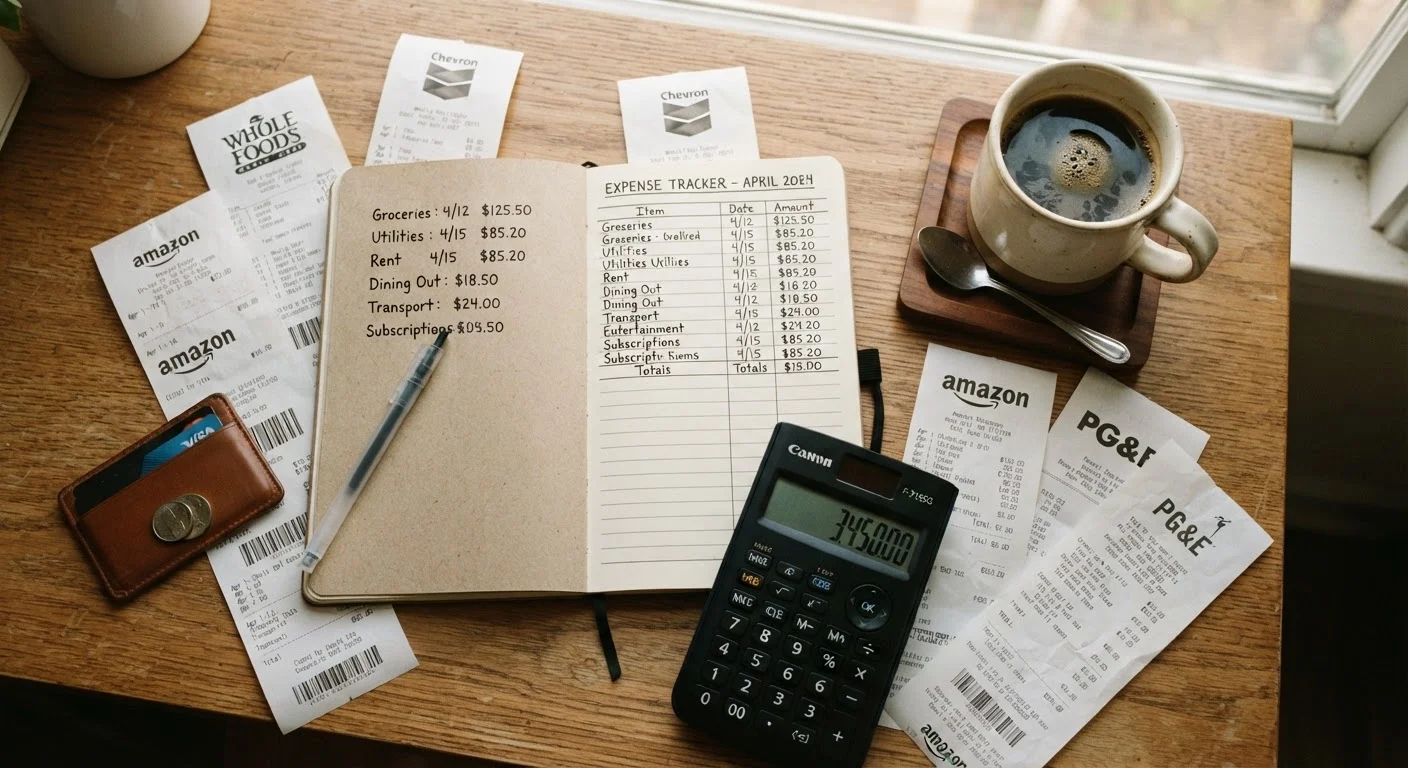
Why Most People Don't Know Their Real Numbers
Ask most Americans how much they spend each month, and they'll give you an estimate. Ask their bank statement, and you'll get a different answer. Studies in behavioral economics consistently find that people underestimate their actual spending — sometimes by 20 to 40 percent — because memory favors large, regular bills and discounts the small, frequent purchases that quietly add up.
This isn't a discipline problem. It's an information problem. Without a clear, category-by-category map of your outgoing dollars, any budget you build is guesswork. You may set a $300 grocery limit while actually spending $520, or believe your subscriptions cost $30 a month when they total $90 across six different services.
Mapping your real monthly cash flow — before setting targets or making cuts — is the foundational step that most budgeting advice skips. It's what separates a financial plan that lasts from one that collapses in the first week.
Tracking Is Not the Same as Budgeting
Many people skip straight to setting spending limits without first understanding their current baseline. Tracking what you actually spend — without judgment — is a separate and prior step. It gives you the data to set realistic targets rather than aspirational ones that fall apart by week two. Think of tracking as the diagnosis and budgeting as the treatment plan.
The Core Spending Categories to Map
Personal finance professionals generally organize household spending into three broad types: fixed, variable, and discretionary. Understanding the difference matters because each type responds to different management strategies.
- Fixed expenses stay the same every month: rent or mortgage, car loan payments, insurance premiums, and minimum debt payments. These are the least flexible in the short term.
- Variable necessities fluctuate in cost but are non-negotiable: groceries, utilities, gas, and medical copays. Spending here changes month to month but can often be reduced with deliberate choices.
- Discretionary spending covers everything non-essential: dining out, entertainment, clothing, subscriptions, and personal care beyond the basics. This category holds the most room for adjustment.
Most households also have irregular expenses — annual insurance renewals, vehicle registration, or back-to-school costs — that don't appear monthly but must be accounted for. These often-overlooked costs are a frequent reason that otherwise solid budgets get blown off course.
~$6,440
Average monthly household spending in the US
According to the U.S. Bureau of Labor Statistics Consumer Expenditure Survey, American households spend an average of roughly $77,280 per year, or about $6,440 per month across all categories.
33%
Share of budget spent on housing alone
The BLS Consumer Expenditure Survey consistently shows housing accounts for roughly one-third of the average American household's total annual expenditures, making it the single largest spending category.
$219/month
Average American subscription spending estimate
Consumer research has estimated that American households spend well over $200 per month on subscription services on average, often more than they self-report when asked directly.
How to Pull Your Real Spending Data
The most accurate source of spending data is your bank and credit card transaction history, not your memory. Most financial institutions allow you to download statements or view categorized spending going back 90 days or more. Here's a practical approach:
- Gather two to three months of statements from every account you use — checking, savings, and all credit cards. One month can be misleading; three months reveals patterns.
- Sort every transaction into a category. Use the fixed/variable/discretionary framework above, or any system that feels intuitive. The goal is grouping, not perfection.
- Total each category per month, then average across the months you reviewed. This average is your current baseline.
- Identify subscriptions and recurring charges specifically. List them out — the small ones are easy to forget and collectively significant.
Once you have a baseline, you're ready to move into actual budget-building. Building your first monthly budget becomes far more grounded when it starts from real numbers rather than aspirational ones.
Start With Bank Statements, Not Memory
Download your last three months of statements from every account you use before estimating any spending category. Most banks and credit card providers allow CSV or PDF exports directly from your account portal. Sorting real transactions takes about an hour and will almost certainly reveal surprises that memory-based estimates miss.
Turning Your Spending Map Into a Starting Point
Your spending map isn't a verdict — it's a starting point. Knowing that you spent $640 last month on food doesn't mean you'll always spend that much, but it does mean that setting a $350 food budget without a specific plan is likely to fail.
Use your baseline to ask two questions: Which categories surprise me? and Which categories align with what I actually value? The answers will guide where to focus first. Spending heavily on experiences you genuinely prioritize is a different problem than spending heavily on forgotten subscriptions or convenience purchases you don't recall.
From here, a monthly budget setup checklist can help you formalize what you've learned into a working plan. And building a habit of reviewing the numbers regularly — not just once — is what keeps any financial plan functional over time. For a structured approach to that ongoing process, see how to run a monthly money check-in that actually keeps your plan on track.
This article is for general informational purposes only and does not constitute personalized financial advice. For guidance specific to your financial situation, consider consulting a qualified financial professional.