
Why Cruise Myths Persist
Cruising is one of the travel industry's most misunderstood formats. Travelers who have never set foot on a ship often carry vivid assumptions — about constant seasickness, about isolation at sea, about value — that were either never accurate or reflect how ships operated decades ago. These myths don't just shape opinions; they cause some travelers to dismiss an option that might genuinely suit them, and cause others to book without realistic expectations.
Understanding what cruising actually involves — from how fares are structured to how port schedules work — makes for a far more satisfying experience. The myths below are among the most persistent, and they're worth addressing directly before you start planning.
For a grounded starting point, our guide for first-time cruisers walks through the fundamentals that brochures tend to gloss over.
Myth
You'll spend most of the cruise feeling seasick, especially if you're prone to motion sickness on land.
Fact
Modern large ships use stabilizer systems that dramatically reduce rolling, and most passengers — even those sensitive to motion — complete voyages without significant seasickness.
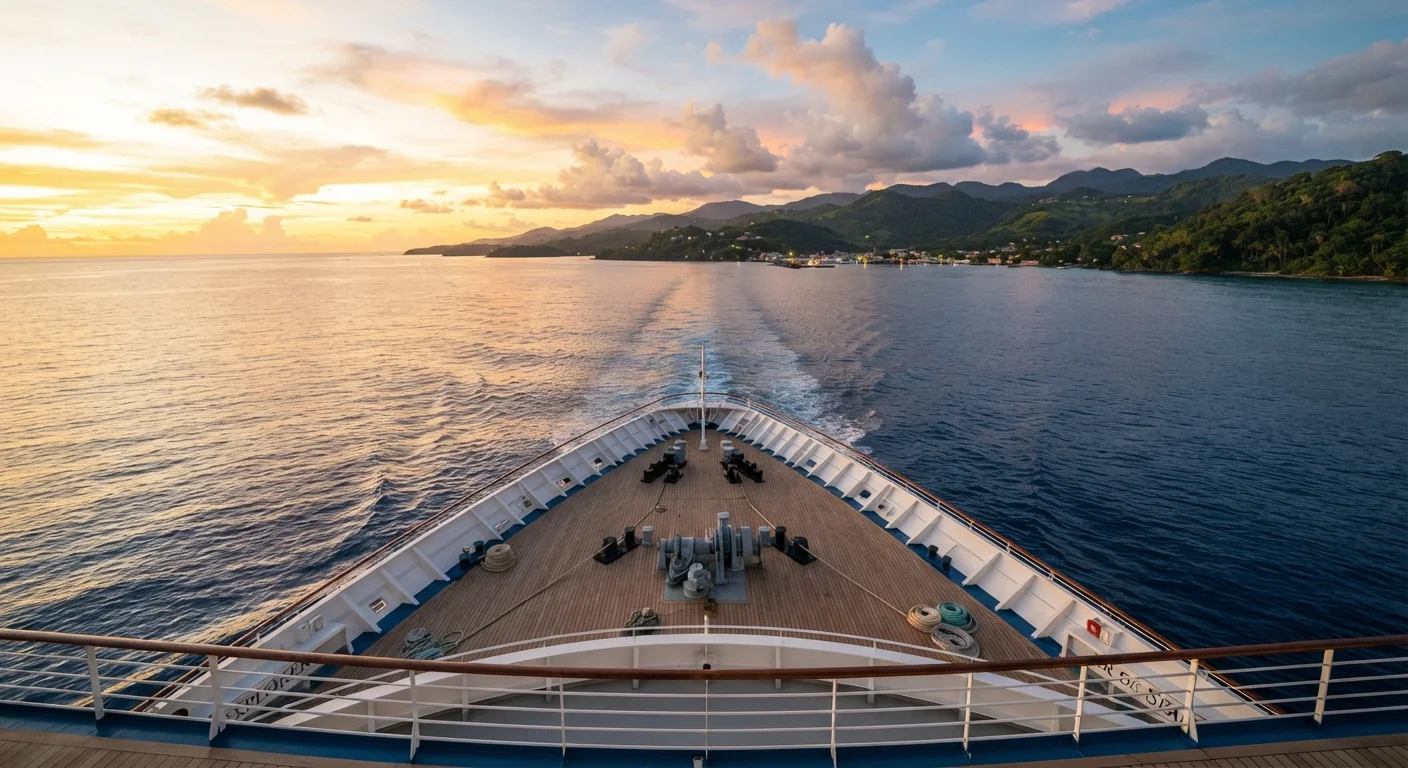
The image of passengers clinging to railings is largely a relic of older, smaller vessels. Today's ocean cruise ships are engineered with fin stabilizers that extend from the hull and counteract wave-induced rolling. On a large contemporary ship in typical open-ocean conditions, many passengers barely notice the motion at all.
That said, sea conditions vary. Crossing the Drake Passage or sailing in winter North Atlantic itineraries can produce meaningful swells even on a large ship. Travelers who know they're sensitive to motion can consult a physician before departure about options; various remedies — from over-the-counter patches to prescription medications — exist, though individual responses differ. Selecting itineraries in calmer waters (the Caribbean, the Mediterranean, Southeast Asia) also reduces exposure to rough conditions.
Myth
Cruises are all-inclusive — once you've paid the fare, you won't need to spend much more.
Fact
The base cruise fare typically covers your cabin, most meals in the main dining room, and basic onboard programming — but a long list of extras costs additional money.
The perception of cruising as all-inclusive is one of the most consequential misconceptions in travel planning. In reality, specialty restaurants, alcoholic beverages, soft drinks (on many lines), shore excursions, spa services, gratuities, Wi-Fi, and premium entertainment often require separate payment. Some cruise lines offer packages that bundle certain categories — drink packages being the most common — but these are add-ons, not defaults.
Gratuities, in particular, catch many first-time cruisers off guard. Most lines add a per-person, per-day service charge to onboard accounts, which can add meaningfully to the final bill on a longer voyage. Reading the fare inclusions and exclusions carefully before booking, and budgeting realistically for onboard spending, prevents the kind of surprise that colors a traveler's memory of the trip.
Myth
You'll have plenty of time to explore each port — a full day ashore is standard.
Fact
Port time varies widely by itinerary and is often shorter than it appears on paper once practical logistics are accounted for.
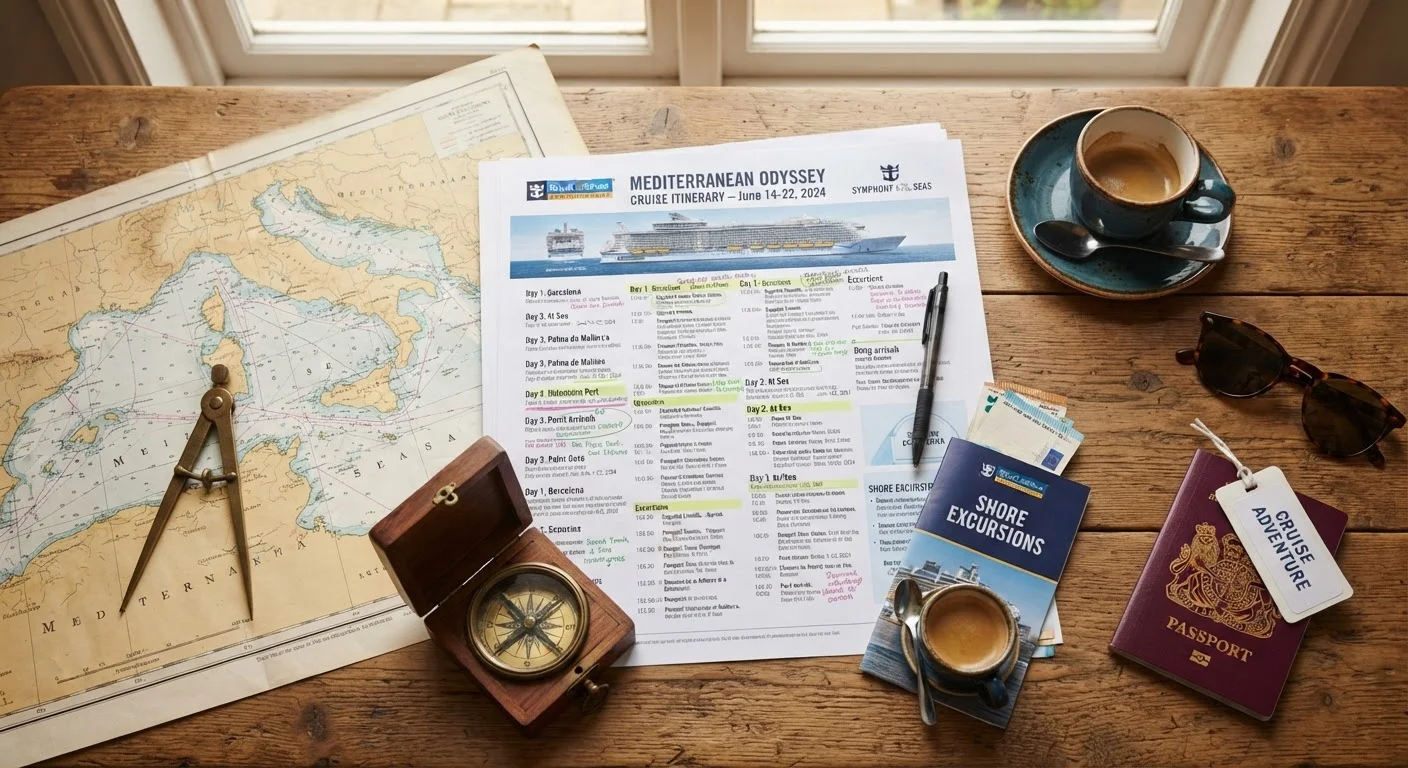
A scheduled 8 a.m. to 6 p.m. port call sounds like a generous ten hours. But in practice, disembarkation from a large ship takes time; the pier is often not in the city center, requiring additional transit; and the ship's all-aboard time — typically 30 minutes before departure — must be respected without exception. Miss it, and the ship leaves without you.
Some ports are also tendered, meaning the ship anchors offshore and passengers reach land by small boat. Tender queues can consume a significant portion of available time. Short port calls in popular itineraries sometimes offer as little as four or five effective hours ashore. Reviewing port arrival and departure times on the actual itinerary — not just the destination list — is essential for setting realistic expectations.
Myth
Cruising is only for older travelers and isn't suited to families with children or younger adults.
Fact
Modern cruise lines serve a broad demographic range, with programming, dining, and itineraries designed for families, solo travelers, couples of all ages, and adventure-seekers.
The demographic profile of cruising has shifted substantially. Many ships now include dedicated family programming with supervised children's clubs organized by age group, youth-focused activities, and multi-generational cabin configurations. Some itineraries focus specifically on active or adventure-oriented experiences — expedition cruises to Antarctica or Alaska's Inside Passage, river sailings in Southeast Asia, or port-intensive Mediterranean itineraries for culturally motivated travelers.
River cruising, in particular, tends to attract travelers in their forties and fifties seeking immersive cultural experiences with less emphasis on onboard entertainment. Expedition-style cruises draw naturalists and outdoor enthusiasts of varied ages. The notion that a single demographic defines cruising simply doesn't reflect the range of products available.
Myth
The ship has a full hospital onboard, so medical emergencies are handled just like on land.
Fact
Ships carry licensed medical staff and basic treatment equipment, but they are not equipped to handle complex emergencies and may require medical evacuation at significant cost.
Cruise ships are required to maintain medical facilities meeting certain standards, and passengers can receive basic treatment for common issues — infections, minor injuries, gastrointestinal illness. However, these facilities are not hospitals. Advanced diagnostics, surgery beyond basic stabilization, and specialist care are generally not available.
For serious medical events, evacuation by helicopter or diversion to a port with a hospital may be necessary — a process that can be costly and logistically complex. Travel insurance that includes medical evacuation coverage is strongly worth considering before any cruise. Passengers with chronic or complex health conditions should discuss specific ship capabilities and itinerary remoteness with their physician before booking.
Myth
You'll be bored at sea on days when the ship isn't in port.
Fact
Most contemporary cruise ships offer a full schedule of activities, entertainment, dining, and recreational options specifically designed for sea days.
Sea days — days spent sailing between ports without a stop — are often cited by experienced cruisers as among the most relaxing and enjoyable parts of a voyage. Ships program enrichment lectures, cooking demonstrations, fitness classes, trivia competitions, theatrical productions, casino gaming, pool activities, and more. On larger vessels, full-scale Broadway-style shows, waterslides, and multiple restaurant concepts operate continuously.
For travelers who prefer a quieter pace, sea days offer uninterrupted time to read, enjoy the ocean views, use the spa, or simply rest without agenda. Repositioning cruises, which feature extended stretches of consecutive sea days, have a dedicated following among travelers who specifically value this kind of unhurried rhythm.
What the Realities Mean for Your Planning
The myths above share a common thread: they tend to either overstate the negatives or understate the hidden costs. Both distortions lead to poor decisions.
~70%
Cruisers who report spending beyond the base fare
Industry surveys consistently find the majority of cruise passengers make significant onboard purchases beyond what their fare covers, including beverages, excursions, and specialty dining.
4–6 hrs
Typical effective time ashore in a port call
While itineraries may list 8–10 hour port windows, logistics including disembarkation queues, transportation, and all-aboard requirements often reduce usable time considerably.
30+ min
Standard all-aboard time before ship departure
Most cruise lines require passengers to be back on board at least 30 minutes before the scheduled departure time — ships do not wait for latecomers.
Port time deserves particular attention. Many itineraries list a port arrival of 8 a.m. and departure at 5 p.m., which sounds generous — but factor in disembarkation queues, transportation into town, and getting back in time for the ship's actual all-aboard call (typically 30 minutes before departure), and the window shrinks considerably. Reading a cruise itinerary carefully before booking can prevent real disappointment.
Similarly, the assumption that everything is included can lead to genuine sticker shock at the end of a voyage. Specialty restaurants, premium beverages, spa treatments, shore excursions booked through the ship, and Wi-Fi are almost universally add-ons. Understanding how onboard billing accumulates is one of the most practical things a traveler can do before sailing.
Medical Evacuation Costs Can Be Significant
If a serious medical emergency occurs at sea or in a remote port, evacuation and treatment costs can reach tens of thousands of dollars and are not covered by standard health insurance in many cases. Travel insurance that specifically includes emergency medical evacuation is worth reviewing before any cruise booking. Read policy terms carefully, as coverage varies considerably by provider and plan.
For travelers with health considerations, the onboard medical center question is real but often misunderstood. Ships carry licensed medical staff and basic treatment capabilities, but they are not hospitals. Passengers with chronic or complex conditions should consult a physician before booking and review what their ship specifically provides. A more complete look at health logistics for cruisers is worth reading in full if this applies to you.
Finally, if you've been relying on outdated assumptions about how travel planning works, the myths surrounding travel agencies are worth reconsidering — an experienced agent can be a genuine asset when navigating cruise booking complexity.