

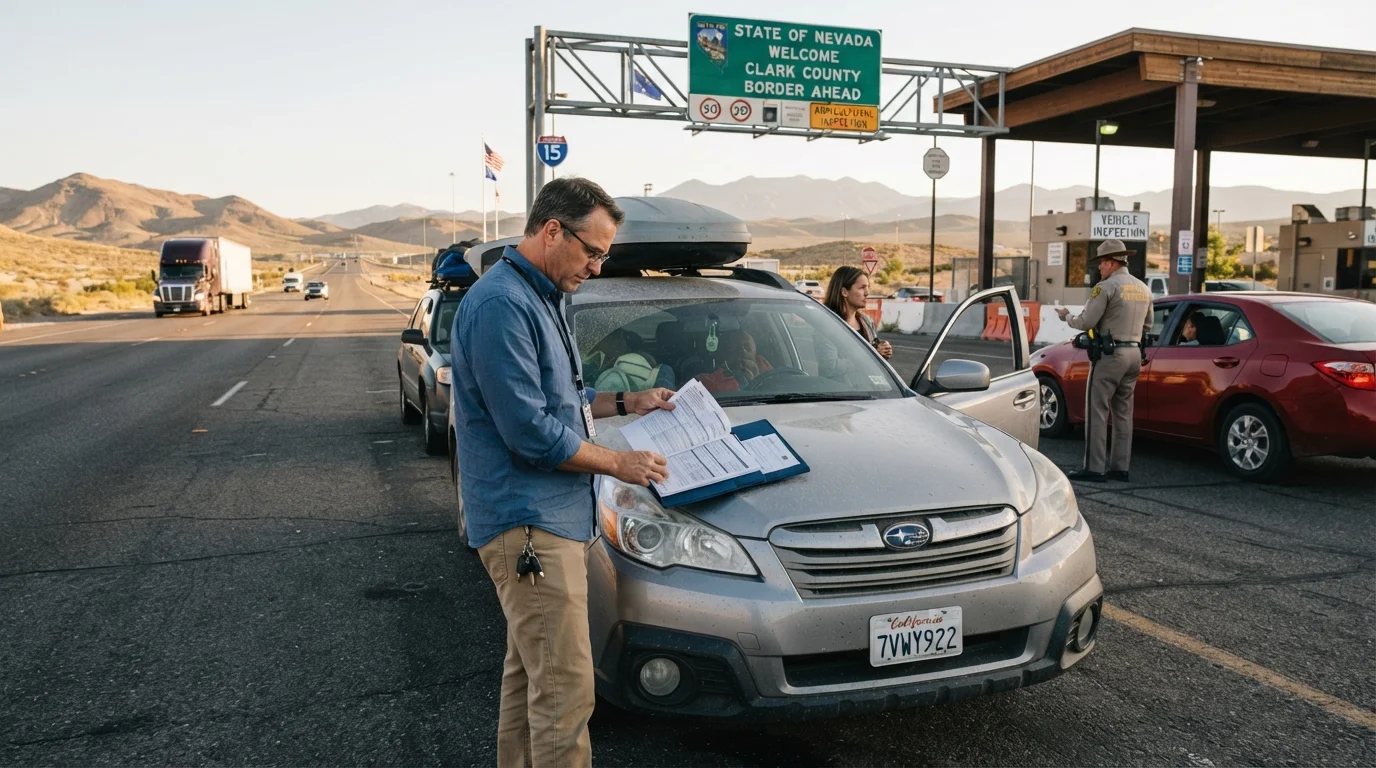
Why Out-of-State Purchases Add Complexity
Buying a car across state lines is legal and often financially reasonable — inventory, pricing, and availability all vary by region. But the administrative layer is meaningfully different from an in-state purchase. Vehicle title, registration, taxes, and safety standards are regulated at the state level, which means two sets of rules apply: those of the selling state at the time of purchase, and those of your home state when you register.
Understanding how the real costs of a vehicle compare is a useful starting point, but for out-of-state deals, the administrative costs and requirements deserve equal attention. The steps below walk through what to verify before, during, and immediately after the transaction.
What you will need
What to Verify Before You Travel
The most common mistake out-of-state buyers make is assuming the selling state's rules govern the transaction end-to-end. They don't. Your home state determines what inspections are required, what taxes you'll owe at registration, and how long you have to complete the title transfer after purchase.
Emissions Standards Differ Significantly by State
Several states — including California and those that have adopted its standards — enforce stricter vehicle emissions rules than the federal baseline. A vehicle sold legally in one state may not meet registration requirements in another. Check your home state's emissions certification requirements before committing to any out-of-state purchase.
Emissions requirements are one of the sharpest points of difference. States adopting California's stricter standards require vehicles to be certified under those rules — a vehicle sold legally in a federal-standard state may not meet local registration requirements. Check with your home state DMV before shopping, not after.
Call Your Home State DMV First
Before traveling to view the vehicle, call or check your state's Department of Motor Vehicles website to confirm its specific title transfer window, any required inspections, and applicable fees. Each state's rules differ, and confirming them in advance prevents surprises at registration time.
It's also worth checking whether the vehicle's title is in the seller's name only, and free of open liens. A lienholder — typically a bank or finance company — must formally release its interest before the title can transfer cleanly. For a broader set of factors to examine before committing, the used car inspection checklist covers the physical side of that vetting process.
Vehicle History Report Service (e.g., NMVTIS-based providers)
Reveals title status, odometer records, salvage history, and prior state registrations.
Temporary Transit Permit
Issued by the selling state to allow legal operation of the vehicle during transport to your home state.
Bill of Sale
Documents the sale price, parties involved, and vehicle details — required for tax and title transfer.
Pre-purchase Inspection (independent mechanic)
Identifies mechanical issues before you commit; especially important when buying from a distance.
Completing the Purchase and Getting Home Legally
Once you've confirmed the vehicle checks out mechanically, legally, and from an emissions standpoint, the transaction itself follows the same general pattern as any private or dealer sale — with one addition. You'll need a temporary transit permit (sometimes called a trip permit or drive-away permit) issued by the selling state. This allows you to legally operate the vehicle on public roads during transport. Permits are typically valid for a short window — often 30 days — and are issued by the selling state's DMV or, in some cases, by a licensed dealer.
Title Delays Can Stall Your Registration
If the seller's lender has not yet released the lien, receiving a clean title could take weeks. Confirm the title is free and clear — or understand the release timeline — before completing the purchase. Driving on a temporary permit while awaiting a title is manageable, but crossing that permit's expiration creates a legal and registration problem.
At the point of sale, collect every document in physical form: the signed title, an odometer disclosure statement (required under federal law for most vehicles under a certain age and weight), and a bill of sale that reflects the actual transaction price. The bill of sale price is what your home state uses to calculate sales tax at registration — and misrepresenting it carries legal risk.
If you have questions about how trade-ins or other financial components of a deal interact with an out-of-state purchase, see our coverage of common trade-in pitfalls for context on protecting your position during negotiations.
Research your home state's requirements before you shop
Contact your state's DMV or visit its official website to document three things: the title transfer deadline (commonly 30 to 60 days after purchase), whether an emissions or safety inspection is required at registration, and which fees apply. Some states require a vehicle inspection before issuing plates to any car previously registered out of state.
Run a vehicle history report using the VIN
Before traveling to see the car, use the Vehicle Identification Number to pull a history report through a provider that draws from the National Motor Vehicle Title Information System (NMVTIS) or similar databases. Look specifically for title brands (salvage, flood, rebuilt), odometer discrepancies, and whether the title is currently held free and clear of any lien. See our practical walkthrough for researching a car before you buy for a full vetting framework.
Arrange an independent pre-purchase inspection
Have the vehicle inspected by a qualified, independent mechanic — not one affiliated with the seller. If you cannot travel to the vehicle yourself, you can hire a local inspection service in the selling state. Use the used car inspection checklist as a reference for what should be covered. An inspection is especially critical for out-of-state purchases because returning a vehicle across state lines is logistically difficult.
Confirm insurance coverage before the drive home
Contact your insurer before completing the purchase. Most policies extend coverage to a newly acquired vehicle for a short grace period, but the exact terms vary by policy. Confirm the vehicle is covered for the return trip, and obtain a policy document or insurance ID card that clearly reflects the new vehicle. Driving without proof of insurance — even briefly — is illegal in every state.
Complete the purchase and secure the correct paperwork
At closing, collect the signed title (with any lien release if applicable), a bill of sale reflecting the actual purchase price, and any odometer disclosure statement required by federal law. Verify that the seller's name on the title matches the name on their government-issued ID. Request a temporary transit permit from the seller or the selling state's DMV so you can legally drive the vehicle home.
Register the vehicle in your home state within the required window
Once home, schedule any required emissions or safety inspection promptly. Then visit your local DMV with the out-of-state title, bill of sale, proof of insurance, and your transit permit (if still valid). Sales tax — typically based on the purchase price — is collected by your home state at registration, not the state of sale, in most cases. Verify the exact amount owed with your DMV; some states offer a credit for tax already paid to the selling state.
This article provides general informational guidance about out-of-state vehicle purchases and is not legal or financial advice. Registration rules, tax obligations, and inspection requirements vary by state and change over time. Always verify current requirements directly with your home state's Department of Motor Vehicles and consult a qualified professional for advice specific to your situation.