
What CPO Actually Means
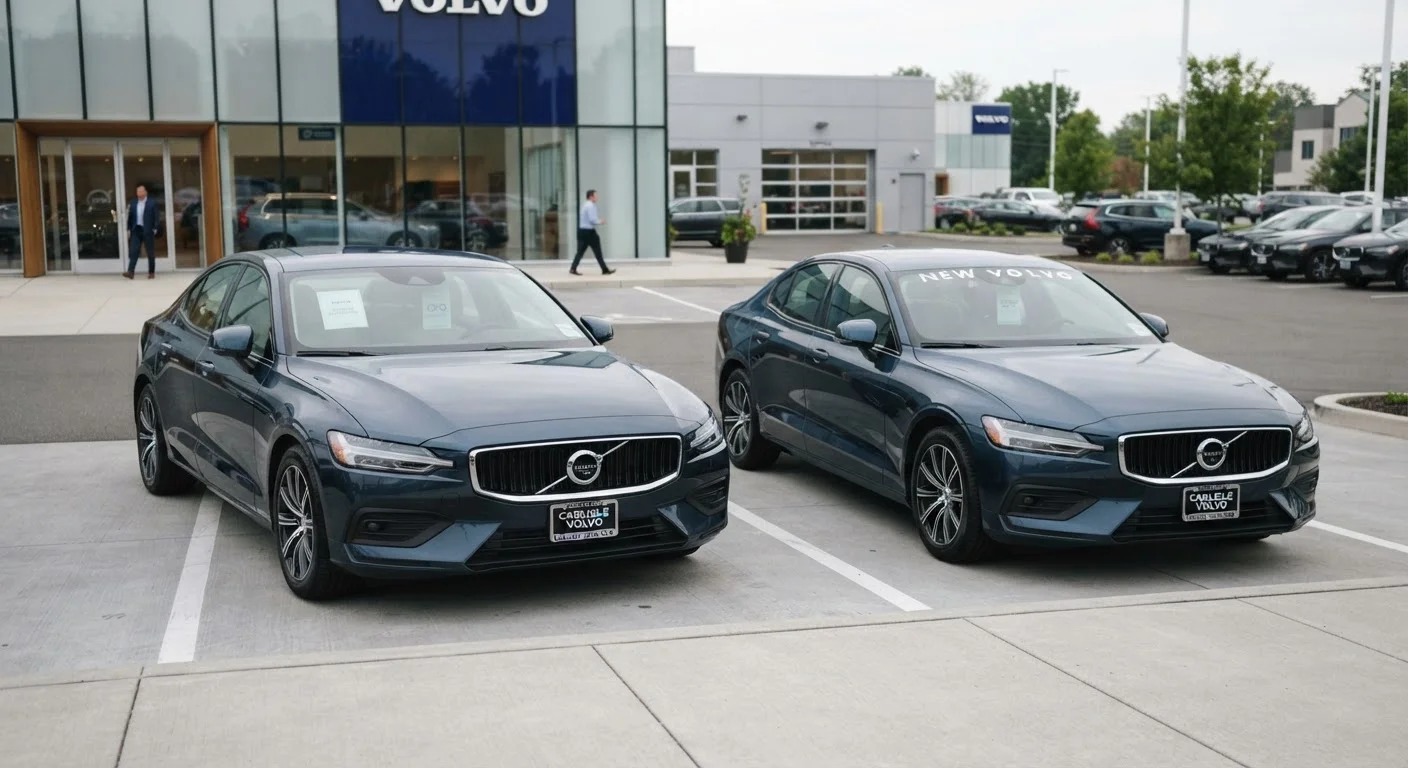
The term "certified pre-owned" is not a universal standard — it is a manufacturer- or dealer-administered program with its own rules, inspection checklists, and warranty terms. Manufacturer CPO programs, offered through franchised dealerships, are generally more rigorous than dealer-certified programs created independently by used-car lots.
A typical manufacturer CPO program requires a vehicle to meet age and mileage thresholds — often no older than five or six model years and under 80,000 miles — and to pass a multi-point inspection covering mechanical systems, safety components, and cosmetic condition. Vehicles that fail inspection are either repaired to meet standards or removed from CPO eligibility. Buyers also receive a vehicle history report as part of most programs.
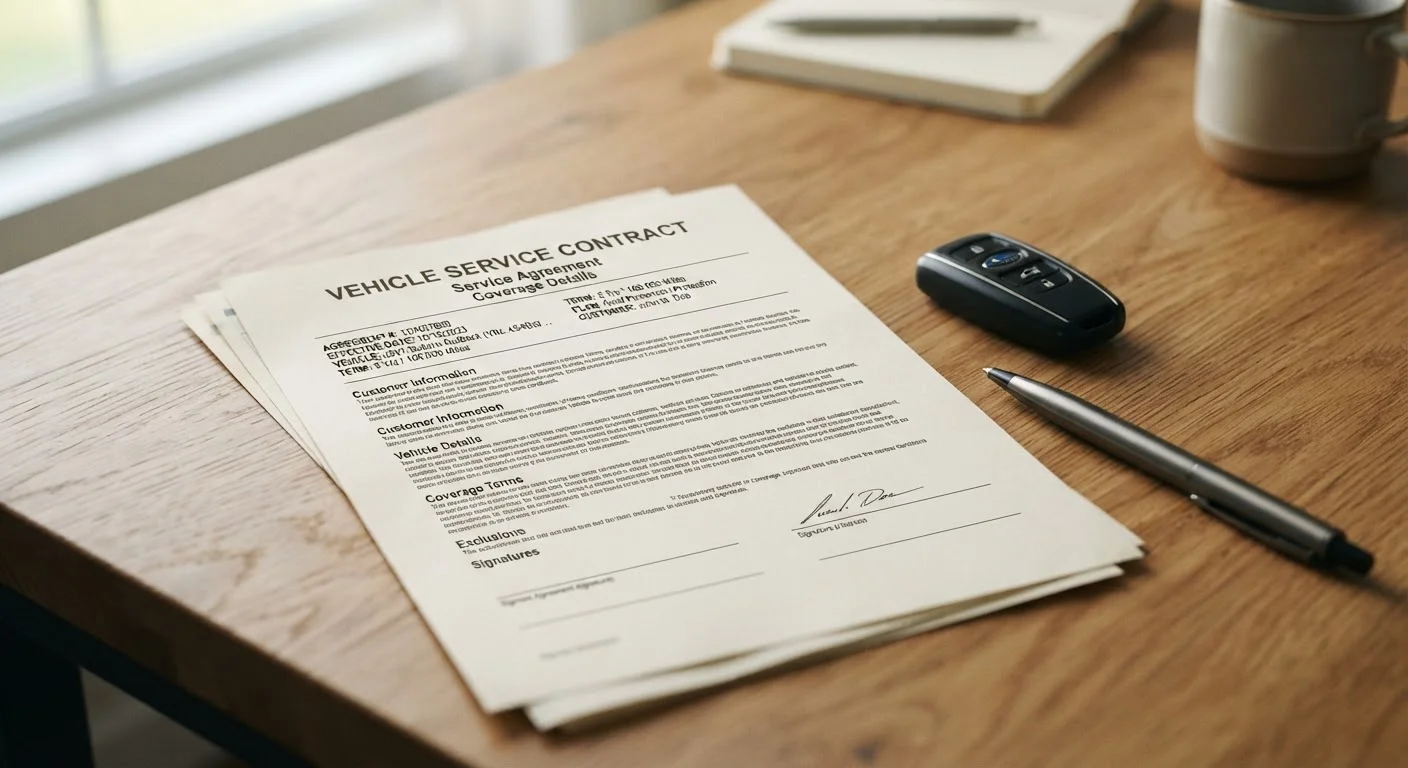
The key benefit is the extended limited warranty. Depending on the manufacturer, a CPO vehicle may receive coverage ranging from 12 months to several years beyond the original factory warranty. Some programs also include roadside assistance, trip interruption coverage, and loaner car benefits. Understanding exactly what a specific program covers — and what it excludes — is essential before placing value on those assurances. Our guide on what extended warranties actually cover explains how to read the fine print that matters most.
What You Get with a Standard Used Vehicle
A standard used vehicle is sold without a manufacturer-backed inspection or extended warranty. It may come with a dealer's limited return window or a short powertrain guarantee, but these vary widely and are not standardized. The vehicle's condition, history, and remaining mechanical life are largely the buyer's responsibility to verify.
That responsibility is manageable with the right approach. Having any used vehicle independently inspected by a qualified mechanic before purchase — a step that typically costs between $100 and $200 — can identify hidden mechanical issues and inform your negotiating position. A vehicle history report from a recognized service provider adds another layer of context, covering accident records, title status, and ownership history.
The significant advantage of going the standard used route is price. Without the CPO markup and the cost of administering inspection and warranty programs, standard used vehicles sell at lower transaction prices. For buyers with mechanical knowledge or access to trusted repair resources, that price difference can outweigh the coverage gap. Keep in mind that the true cost of any vehicle extends well beyond the sticker — fuel, maintenance, insurance, and depreciation all shape the long-term picture, as outlined in our article on total cost of ownership.
| Criterion | Certified Pre-Owned | Standard Used |
|---|---|---|
| Inspection standard | Manufacturer-defined multi-point checklist | Varies; none required by default |
| Extended warranty | Included (program-specific terms) | Not included; may purchase separately |
| Vehicle history report | Typically included | Buyer typically sources independently |
| Purchase price | Higher (CPO premium applied) | Lower; more room to negotiate |
| Age/mileage restrictions | Yes — program eligibility limits apply | None — any vehicle qualifies |
| Roadside assistance | Often included in manufacturer programs | Not standard; must be arranged separately |
| Financing options | May include manufacturer incentive rates | Standard used vehicle rates apply |
| Condition transparency | Higher — inspection results on record | Lower — buyer must verify independently |
Where the CPO Premium Shows Up — and How Much It Matters
The price difference between a CPO vehicle and an equivalent standard used vehicle on the same lot can vary considerably. Market conditions, vehicle demand, and the specific manufacturer's program all play a role. In some cases the gap is modest; in others it can reach several thousand dollars for the same make, model, and mileage bracket.
Whether that premium is worth it comes down to a few honest questions. How much remaining reliability risk does this specific vehicle carry? How long do you plan to keep it? Would a mechanical failure in the first year or two represent a serious financial hardship? Buyers who are stretching their budgets or who have limited emergency savings may find that CPO coverage provides meaningful financial protection. Buyers with more financial flexibility, or who are purchasing a vehicle with a historically strong reliability record, may find that the standard used path offers better overall value.
$1,000–$3,500
Typical CPO price premium over equivalent standard used
Industry analysts generally estimate the CPO markup in this range, though it varies by brand, model, and local market demand.
~100–200 points
Items checked in a typical manufacturer CPO inspection
Most major manufacturer CPO programs publish inspection checklists covering powertrain, safety systems, electronics, and body condition.
$100–$200
Cost of an independent pre-purchase inspection
A qualified mechanic's pre-purchase inspection is a widely recommended step for standard used vehicle buyers to reduce condition uncertainty.
It's also worth noting that CPO financing rates can differ from standard used vehicle rates. Some manufacturers offer reduced-rate financing on CPO inventory through their captive finance arms, which can partially offset the higher purchase price. Always evaluate the total financing cost — not just the monthly payment — before drawing conclusions about which option costs less overall.
Making the Call: A Framework for Your Situation
Neither CPO nor standard used is objectively superior across all situations. The right answer depends on the specific vehicle, the specific program or seller, your financial position, and how you weight risk versus upfront cost.
Start by identifying whether the vehicles you are comparing are actually equivalent. CPO eligibility requirements mean CPO inventory tends to skew toward newer, lower-mileage examples. A fair comparison evaluates vehicles with similar years and mileage — not simply similar prices. If a CPO vehicle is also newer or lower-mileage than a standard used alternative, some of what appears to be the CPO benefit is actually the benefit of a less-worn vehicle.
Also factor in the quality of the specific CPO program. Manufacturer programs administered through franchised dealers are generally held to higher standards than third-party or dealer-only certifications. Ask to see the actual inspection checklist and warranty documentation — not just a marketing summary. For buyers considering the standard used path, pairing a pre-purchase inspection with a negotiated price reduction to cover any identified issues is a practical strategy for managing condition risk. The same negotiation awareness applies when the time comes to sell: trade-in pitfalls can quietly reduce what you recover from a vehicle you originally overpaid for.
This article is for general informational purposes only and does not constitute financial or purchasing advice. Vehicle conditions, program terms, and market prices vary. Readers should verify program details directly with the manufacturer or dealer and consider consulting a qualified professional for decisions specific to their circumstances.