

Your First Vet Visit: What to Expect and When to Go
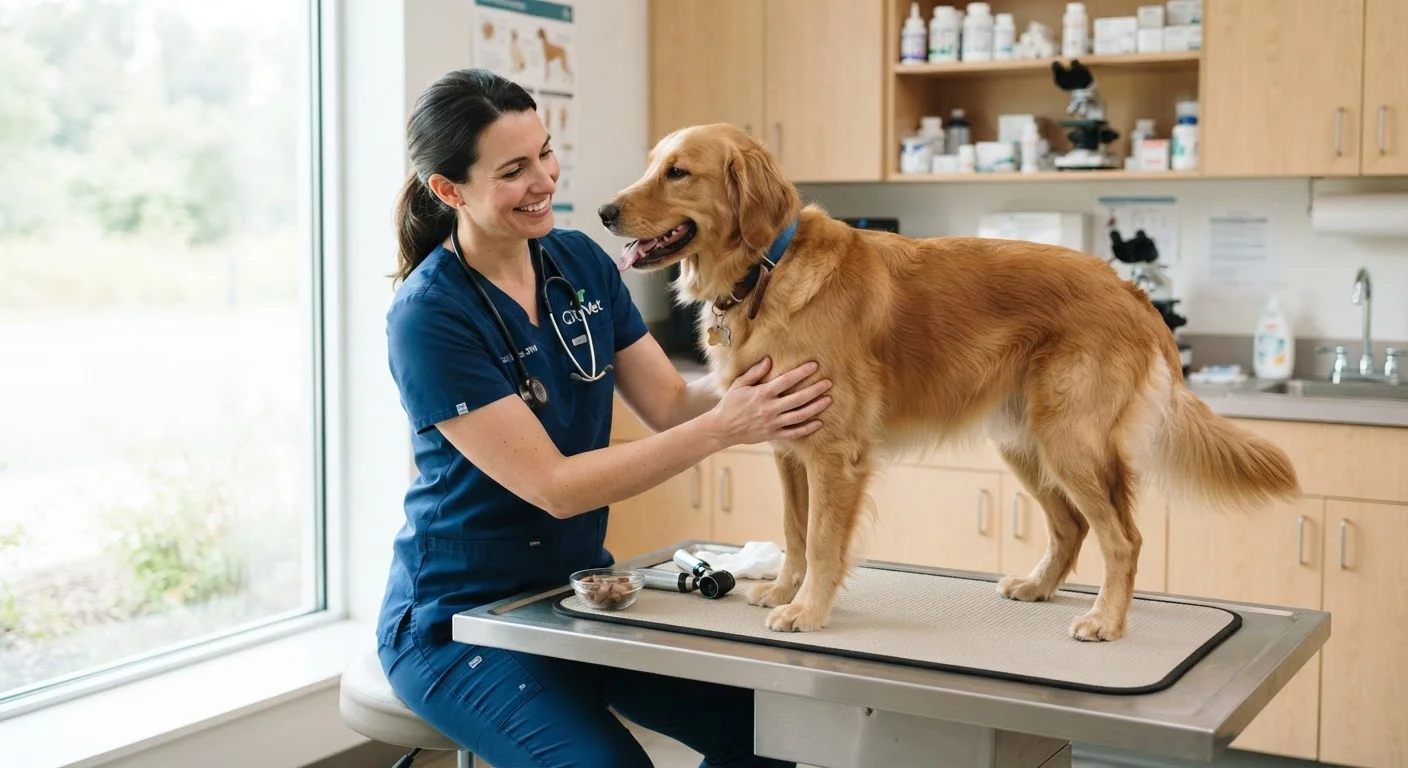
The single most important action you can take after bringing a pet home is scheduling a veterinary exam — ideally within the first five to seven days. Even if your pet appears healthy, this initial visit establishes a baseline for weight, temperature, heart rate, and overall condition that becomes valuable for comparison over time.
Bring any records provided by the shelter, breeder, or previous owner, including vaccination history, deworming dates, and any known health concerns. Your vet will perform a head-to-tail physical exam, check for parasites, and discuss the right vaccination and parasite prevention plan for your pet's age and lifestyle.
Preventive wellness visits catch issues before they become costly emergencies — something many first-time owners discover only in hindsight. If you feel anxious about the visit itself, see how to prepare your pet for a calmer clinic experience.
Bring a Fresh Stool Sample
Many vets recommend bringing a small fecal sample to your pet's first exam — it allows for immediate intestinal parasite testing without a return trip. Store it in a sealed bag and keep it refrigerated if collected more than an hour before the appointment.
Vaccinations and Preventive Care Basics
Vaccines protect your pet against diseases that can be serious, expensive to treat, or fatal. Veterinary organizations such as the American Animal Hospital Association (AAHA) and the American Association of Feline Practitioners (AAFP) categorize vaccines into core and non-core types.
- Core vaccines for dogs include distemper, parvovirus, adenovirus (hepatitis), and rabies.
- Core vaccines for cats include feline herpesvirus-1, calicivirus, panleukopenia (often called FVRCP), and rabies.
- Non-core vaccines — such as Bordetella for dogs or feline leukemia for cats — depend on your pet's lifestyle and exposure risk.
Beyond vaccines, preventive care includes regular deworming, flea and tick prevention, and heartworm testing. Your vet will recommend a schedule appropriate to your region and your pet's specific circumstances. Do not skip or delay boosters — incomplete vaccination series can leave young animals vulnerable during their most susceptible developmental period.
Core vaccines
Vaccinations recommended for all pets of a given species, regardless of lifestyle, because they protect against serious and widespread diseases.
AAFCO statement
A label claim on pet food indicating it meets the nutritional standards set by the Association of American Feed Control Officials for a specific life stage.
Life stage nutrition
The practice of feeding a food formulated for your pet's current age category — puppy or kitten, adult, or senior — because nutritional needs change significantly over a lifetime.
Preventive care
Routine health measures — like exams, vaccines, and parasite control — taken to prevent disease before it starts, rather than treating it after it develops.
Parasite prevention
Ongoing treatment or medication that protects pets from fleas, ticks, heartworms, and intestinal worms, which can cause serious illness if left unchecked.
Body condition score
A standardized veterinary scale used to assess whether a pet is underweight, at an ideal weight, or overweight, based on visual and physical evaluation.
Nutrition Fundamentals for New Pet Owners
What you feed your pet has a direct and lasting effect on their health. The foundation of sound pet nutrition is simple: choose a commercially prepared food formulated for your pet's species and life stage — puppy or kitten, adult, or senior. Life-stage foods are calibrated for energy density, protein levels, and specific nutrients like calcium-to-phosphorus ratios that vary with age.
When evaluating a food label, look for an AAFCO nutritional adequacy statement, which confirms the food meets established minimum standards for the indicated life stage. This statement is one of the clearest signals that a food has been formulated with science-backed guidelines in mind.
Portion control matters as much as food quality. Follow the feeding guidelines on the packaging as a starting point, then adjust based on your pet's body condition — your vet can show you how to assess this at your first visit. Obesity is among the most common preventable health conditions in companion animals, associated with joint disease, diabetes, and reduced lifespan.
Avoid feeding human food without veterinary guidance. Many everyday foods — including grapes, raisins, onions, garlic, xylitol (found in some sugar-free products), and chocolate — are toxic to dogs and cats. Keep a reliable list on hand and contact your vet or the ASPCA Animal Poison Control Center if accidental ingestion occurs.
Early Warning Signs Every Owner Should Recognize
Animals are instinctively inclined to mask signs of illness — a survival behavior inherited from wild ancestors. This means visible symptoms often appear only after a condition has progressed. Knowing what to watch for gives you an advantage.
Contact your vet promptly if you notice any of the following:
- Appetite loss lasting more than 24 hours, or a sudden dramatic increase in hunger or thirst
- Vomiting or diarrhea that persists beyond 24 hours, or contains blood
- Unexplained weight change over a short period
- Lethargy or reluctance to engage in normal activity
- Discharge from eyes, nose, or ears
- Difficulty breathing, coughing, or wheezing
- Straining to urinate or defecate, or blood in urine or stool
- Sudden behavioral changes — hiding, unusual aggression, or excessive vocalization
That last point is especially important. Behavioral shifts are frequently the earliest signal that something is wrong. Learn more about how animals signal pain so you can respond before conditions worsen. You may also find it helpful to review common stress triggers in pets, as stress and illness can look similar.
Never Wait Out Breathing Difficulties
Labored breathing, open-mouth breathing in cats, or persistent wheezing are emergencies that require immediate veterinary attention — do not monitor these symptoms at home overnight. When in doubt about any symptom's severity, calling your vet's after-hours line is always the right first step.
Building a Sustainable Wellness Routine
Consistent daily care is what turns one-time vet advice into lasting health. A practical wellness routine for a new pet owner typically covers four areas:
- Scheduled vet visits: Annual exams for healthy adult pets; more frequent visits during the first year and for senior animals. Older pets have distinct care needs that evolve over time.
- Dental hygiene: Dental disease affects the majority of dogs and cats by age three, according to veterinary data. Starting a dental care routine early is far easier than treating advanced periodontal disease.
- Exercise and mental stimulation: Adequate physical activity and enrichment reduce behavioral problems, support healthy weight, and contribute to overall wellbeing. Requirements vary considerably by species, breed, and age.
- Ongoing observation: You are your pet's first line of defense. A few minutes each week checking coat condition, eyes, ears, and movement can help you notice changes before they become serious.
For a broader look at everything responsible ownership involves, see what responsible pet ownership means beyond daily care. And if you want a structured week-by-week approach to the early adjustment period, the first 30 days with a new pet is a practical companion to this guide.
This article is for general informational and educational purposes only and is not a substitute for professional veterinary advice. Always consult a licensed veterinarian for guidance specific to your pet's health, condition, and care needs.