
Why Dental Disease Flies Under the Radar
Most pet owners are diligent about vaccinations, parasite prevention, and annual checkups — yet oral health often gets little attention until something is visibly wrong. The problem is that dental disease almost never looks dramatic in its early stages. Pets don't complain the way humans do, and the signs — slightly bad breath, mild hesitation while eating — are easy to dismiss.
According to the American Veterinary Medical Association, periodontal disease is among the most commonly diagnosed conditions in dogs and cats. Yet many animals go years without any dental assessment at home or at the clinic. Part of this is perception: a clean coat and good appetite can mask serious oral deterioration happening just below the gum line.
Unlike a limp or a rash, gum disease is invisible to an untrained eye until it has already progressed. That gap between invisibility and severity is what makes it the most overlooked health problem in companion animals. As the veterinary evidence shows, many owners are working from outdated assumptions about what constitutes a healthy pet.
Small Breeds Face Elevated Risk
Toy and small-breed dogs — such as Chihuahuas, Dachshunds, and Yorkshire Terriers — are disproportionately prone to dental disease. Their teeth are often crowded into smaller jaws, creating more surfaces for plaque accumulation and fewer gaps for natural cleaning. Owners of small-breed dogs should discuss earlier and more frequent dental assessments with their veterinarian.
How Dental Disease Progresses
Dental disease follows a predictable path that begins with plaque — a soft film of bacteria that forms on tooth surfaces after every meal. When plaque isn't removed regularly, it mineralizes within days into tartar (also called calculus), a hard yellow-brown deposit that bonds firmly to the enamel. Tartar cannot be brushed away at home; it requires professional scaling.
As tartar accumulates near and below the gum line, it triggers inflammation — a condition called gingivitis. At this stage, the gums redden and may bleed. This is the last reversible stage. If untreated, the infection deepens into the supporting bone and connective tissue, becoming periodontitis. Bone loss is permanent, and affected teeth often require extraction.
~80%
Dogs showing dental disease signs by age 3
The American Veterinary Medical Association estimates the majority of dogs show evidence of periodontal disease by their third year of life.
~70%
Cats affected by dental disease by age 3
Veterinary dental specialists note that periodontal disease is one of the most prevalent conditions diagnosed in feline patients.
Stage 1–4
Clinical severity scale for periodontal disease
Veterinarians use a standardized 4-stage grading system; bone loss becomes irreversible at stage 3, underscoring the importance of early detection.
The systemic consequences extend beyond the mouth. Research has associated chronic oral bacteremia — bacteria entering the bloodstream through inflamed gum tissue — with changes in heart, kidney, and liver tissue over time. This is why veterinarians describe oral health as a window into overall health, not a separate concern.
Prevention: What Actually Works
The gold standard for at-home prevention is daily tooth brushing with a pet-safe toothpaste. Consistency matters more than technique — even brief daily brushing disrupts plaque before it hardens. Introducing brushing gradually, especially in puppies and kittens, makes the routine easier to maintain long-term. The daily grooming habits that support overall coat and ear health apply equally to oral care.
Start Tooth Brushing Early and Go Slowly
If your pet isn't used to having their mouth handled, begin by simply touching the muzzle and lips daily for a week before introducing a finger brush or toothbrush. Use a pet-formulated toothpaste — never human toothpaste, which contains ingredients toxic to animals. Even 30 seconds of daily brushing is significantly more effective than occasional sessions.
Dental chews, water additives, and specially formulated diets can offer supplemental benefit, but none fully replace brushing. The Veterinary Oral Health Council (VOHC) publishes a list of products that have met defined standards for plaque and tartar reduction — a useful reference when evaluating options.
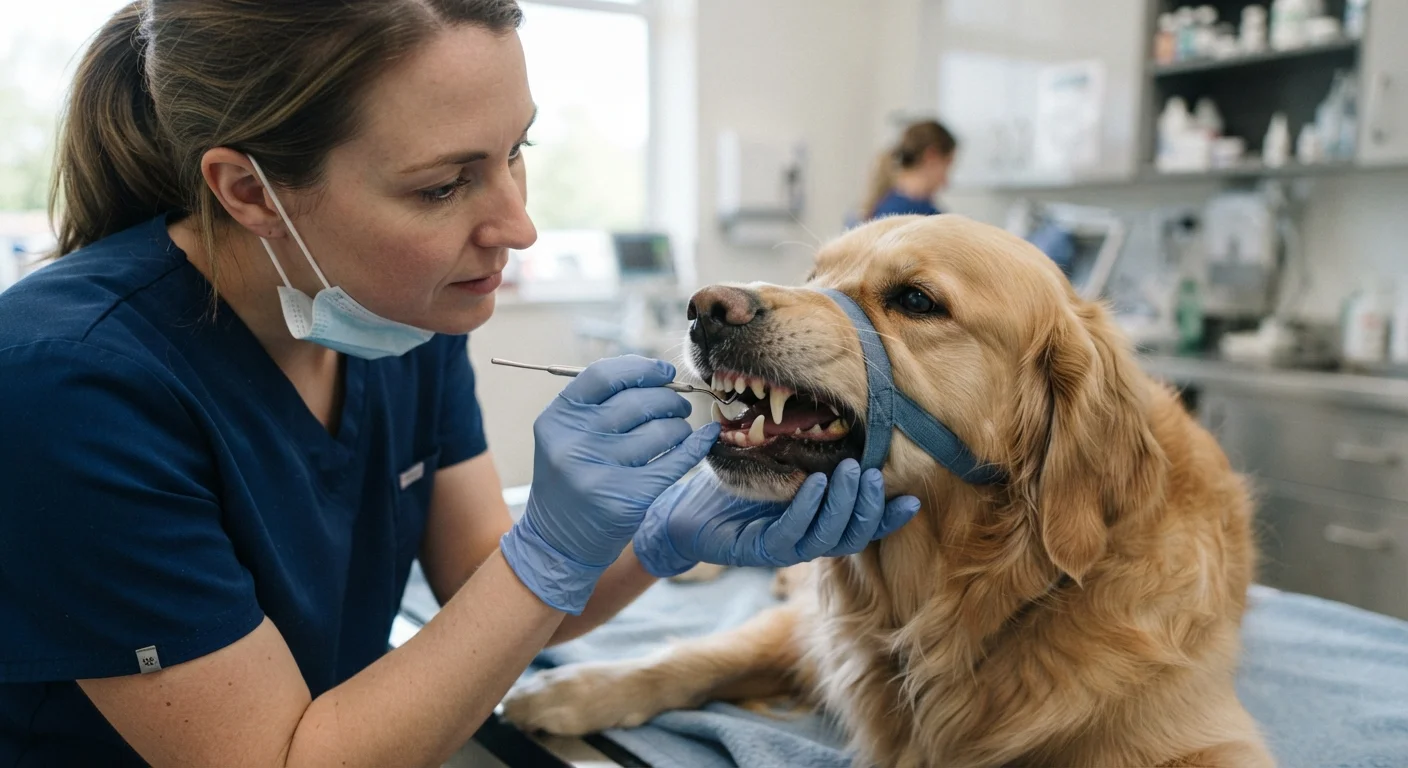
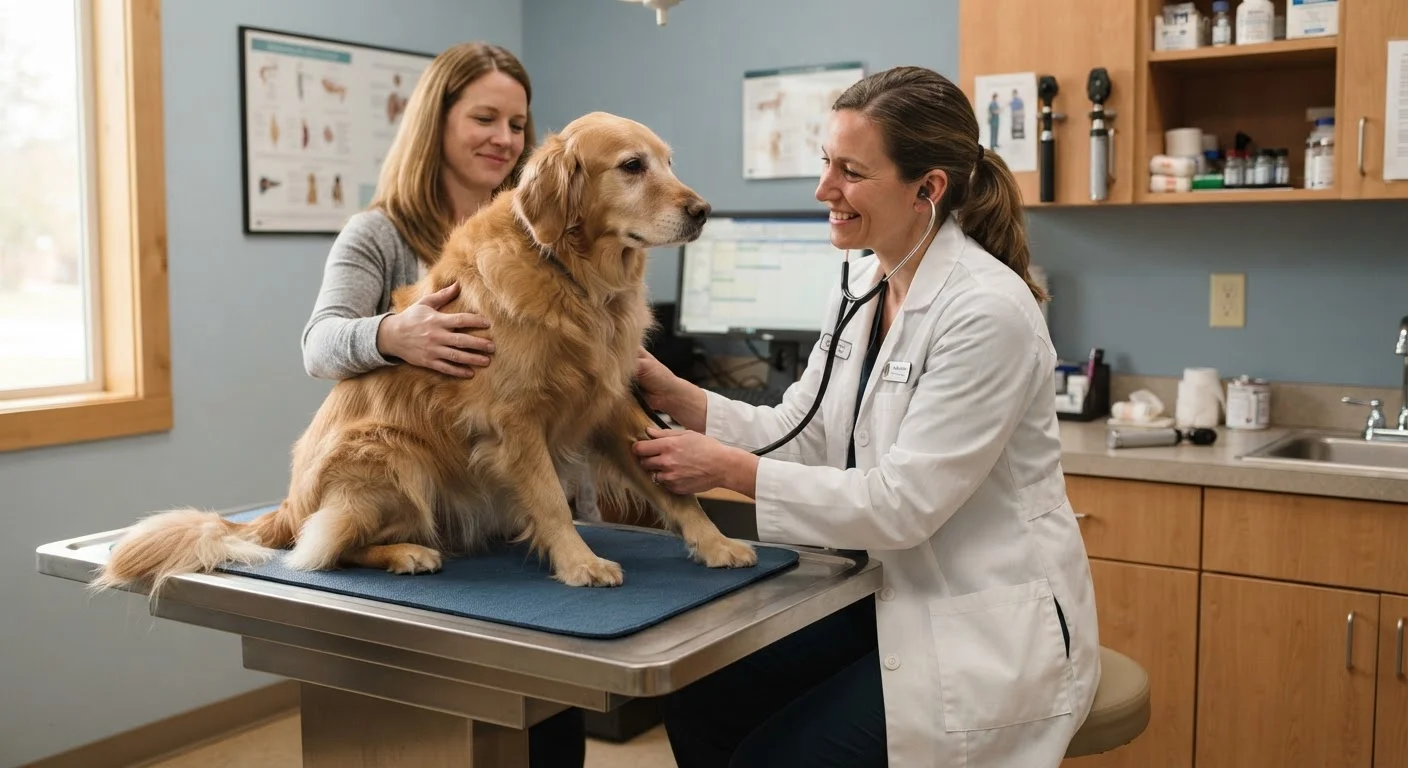
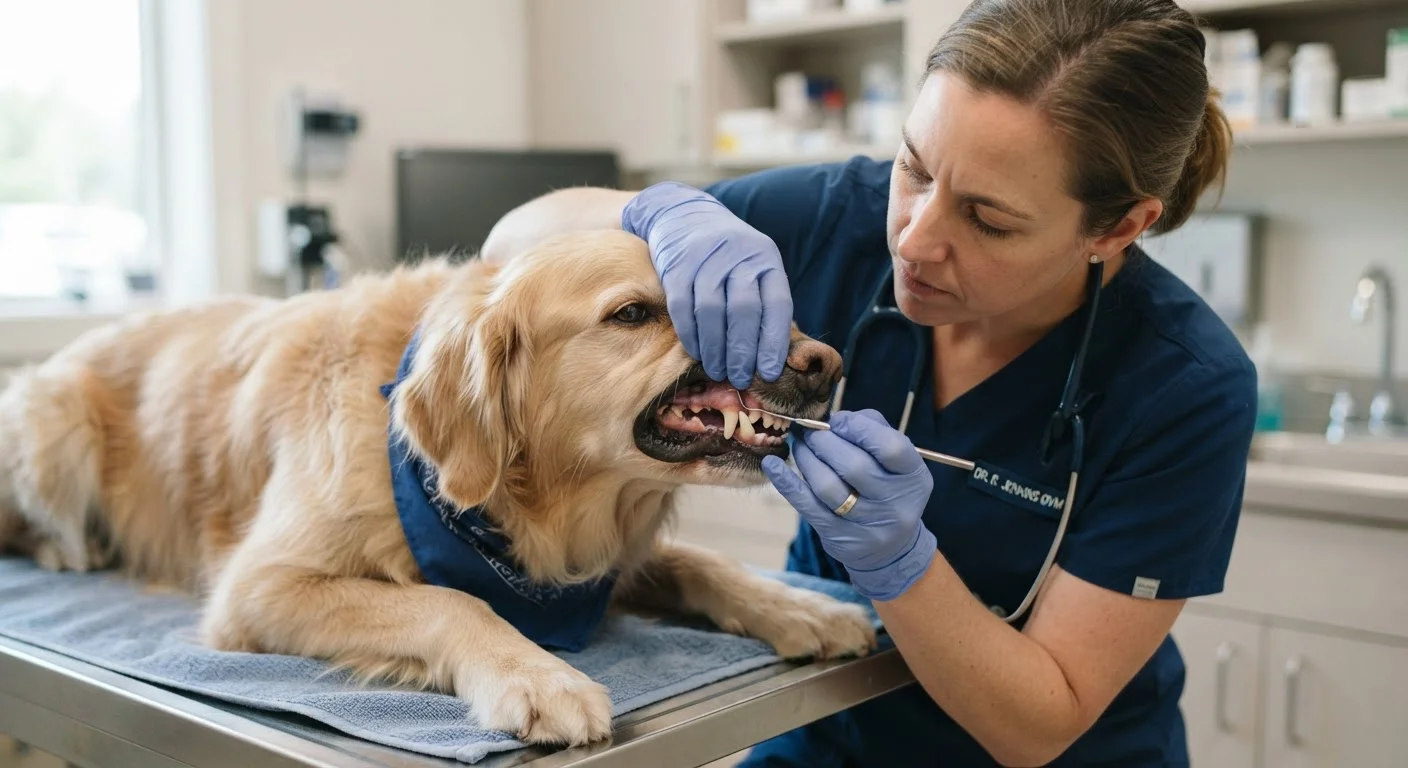
Professional cleanings under general anesthesia allow veterinarians to scale below the gum line, probe for pockets of infection, take dental X-rays, and extract teeth when necessary. This level of assessment isn't possible in an awake animal. Wellness visits are the right time to discuss how often your pet needs professional dental care based on their specific risk profile.
For a more detailed walkthrough of establishing a dental care routine, see our guide on pet dental care basics.
This article is for general informational purposes only and does not constitute veterinary or medical advice. Always consult a licensed veterinarian for guidance specific to your pet's health needs.