
Why Starting from Scratch Is Actually an Advantage
Beginning with an empty or near-empty wardrobe removes one of the biggest barriers to dressing well: a closet full of disconnected pieces that don't work together. You have the opportunity to make deliberate choices from the start, rather than retrofitting a system onto years of impulse purchases. The goal isn't a large wardrobe — it's a functional one. Every item should earn its place.
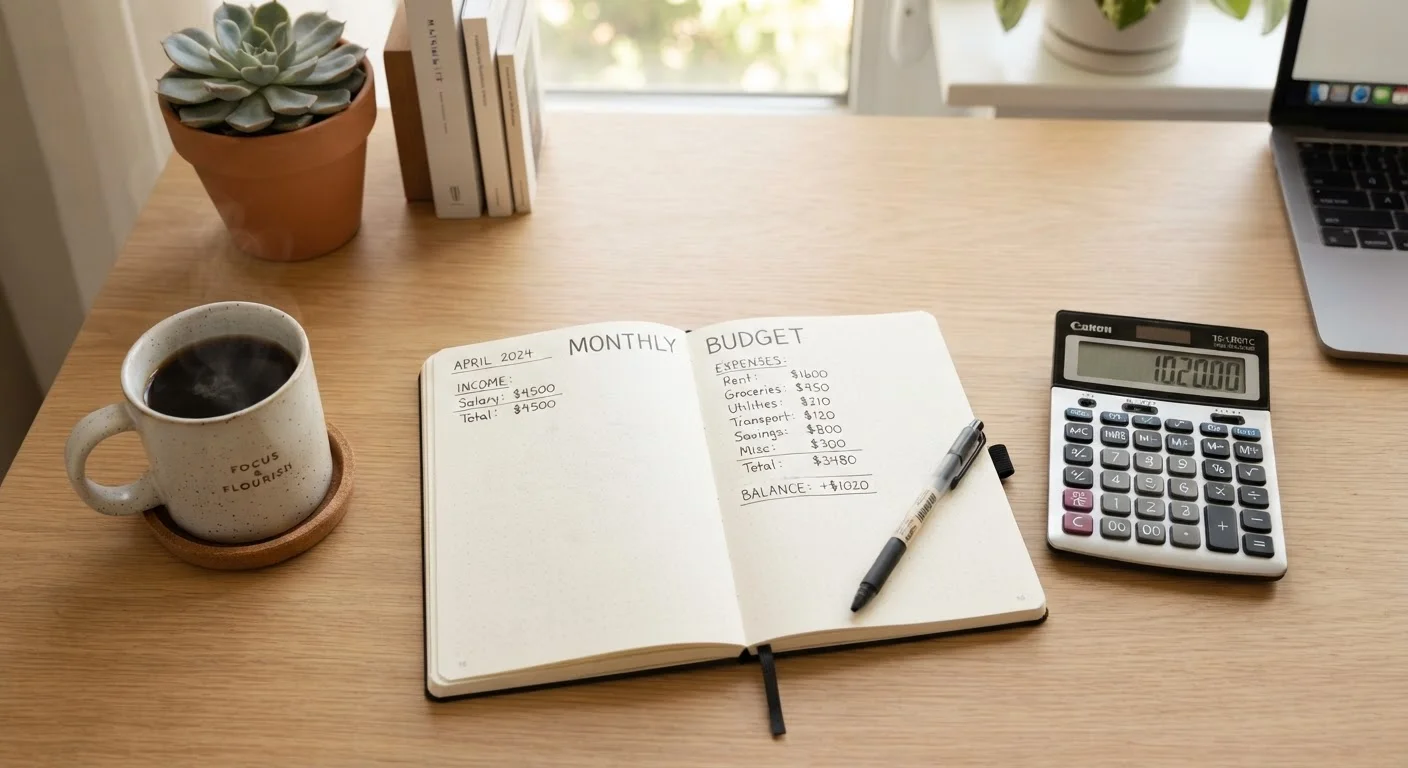
Before you start shopping, get clear on your budget. If you haven't already set spending boundaries for clothing, consider how it fits into your broader financial picture. Understanding basic budgeting principles can help you determine a realistic monthly allocation without undermining other financial priorities.
What you will need
The Step-by-Step Build Process
Building a wardrobe from scratch works best as a sequential process, not a single shopping trip. The steps below walk you through an order that prevents the most common mistakes — starting with what you have, identifying genuine gaps, and making purchases that compound in usefulness rather than compete for closet space.
Set Your Budget Before You Shop
Buying clothes without a spending limit is one of the fastest ways to overspend on items you won't use. Before purchasing a single piece, decide exactly how much you can allocate to clothing this month. If you've never mapped out your spending before, a monthly budget walkthrough can help you find a realistic clothing number that fits your overall finances.
Notebook or notes app
Used to record your lifestyle needs, current inventory gaps, and a prioritized shopping list.
Measuring tape
Helps verify clothing measurements when shopping online or in secondhand stores where fitting rooms may be limited.
Resale or thrift shopping platforms
Extend your budget by sourcing gently used clothing at a fraction of retail price.
Audit what you already own
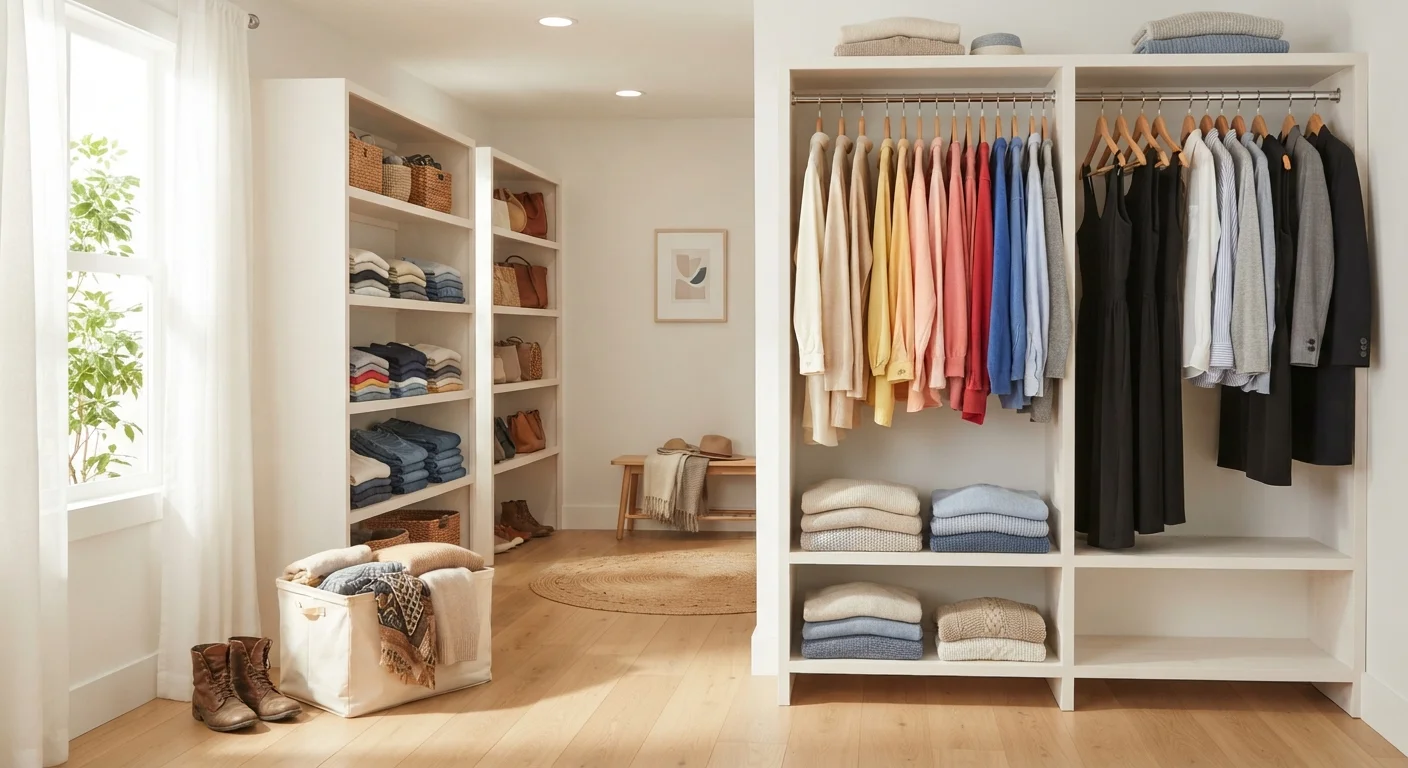
Before spending a dollar, take inventory of what you currently have. Lay everything out and evaluate each piece honestly: Does it fit well? Is it in good condition? Does it work with at least two or three other items? Anything that passes all three questions stays. Everything else is a candidate for donation or resale. A closet audit checklist can make this process more systematic and faster.
Define your actual lifestyle needs
A wardrobe built around your real life is far more useful than one built around aspirations. Write down how you actually spend your week: how many days do you work, and what does that environment require? How often do you exercise, run errands, or attend social events? Your clothing should reflect those proportions. Someone who works from home needs a very different mix than someone in a business casual office — and both are different from someone who works outdoors.
Build your priority shopping list
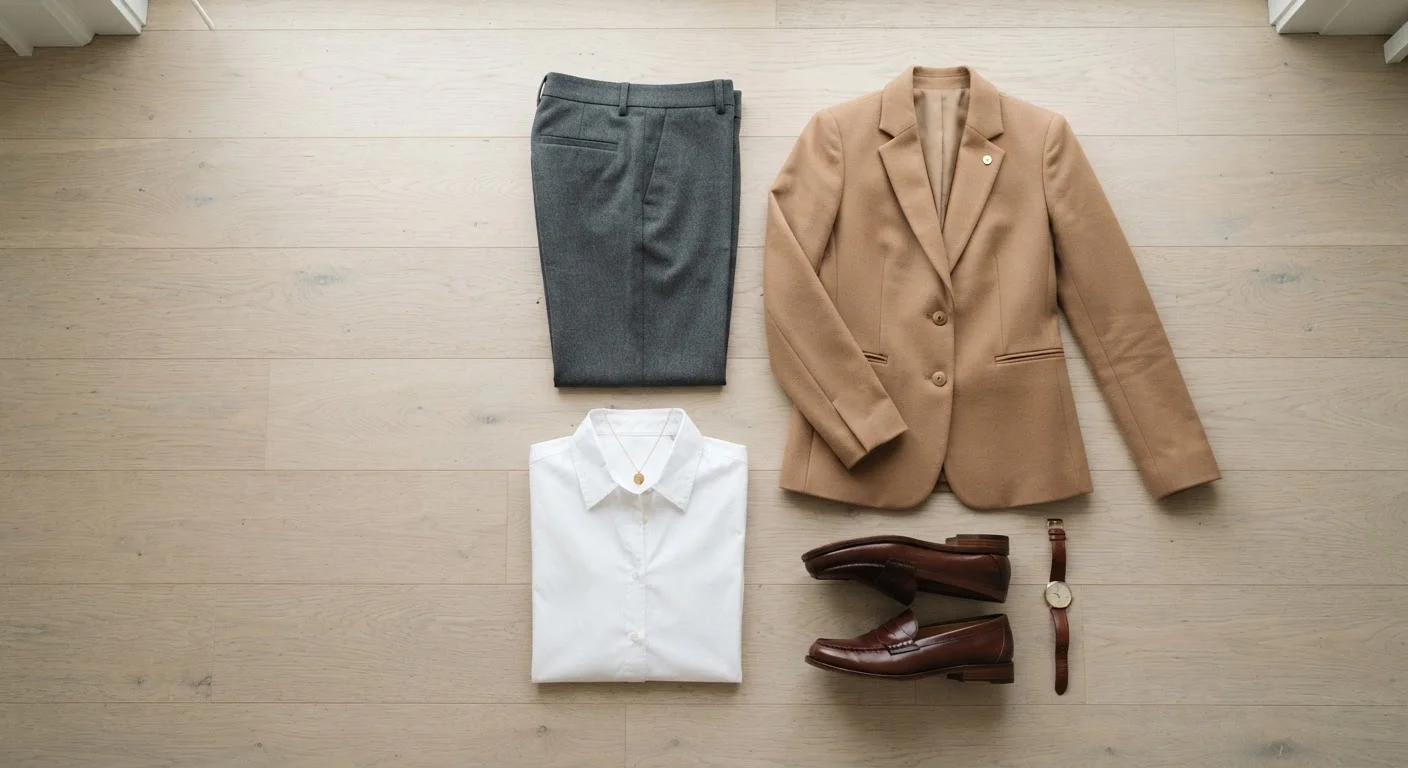
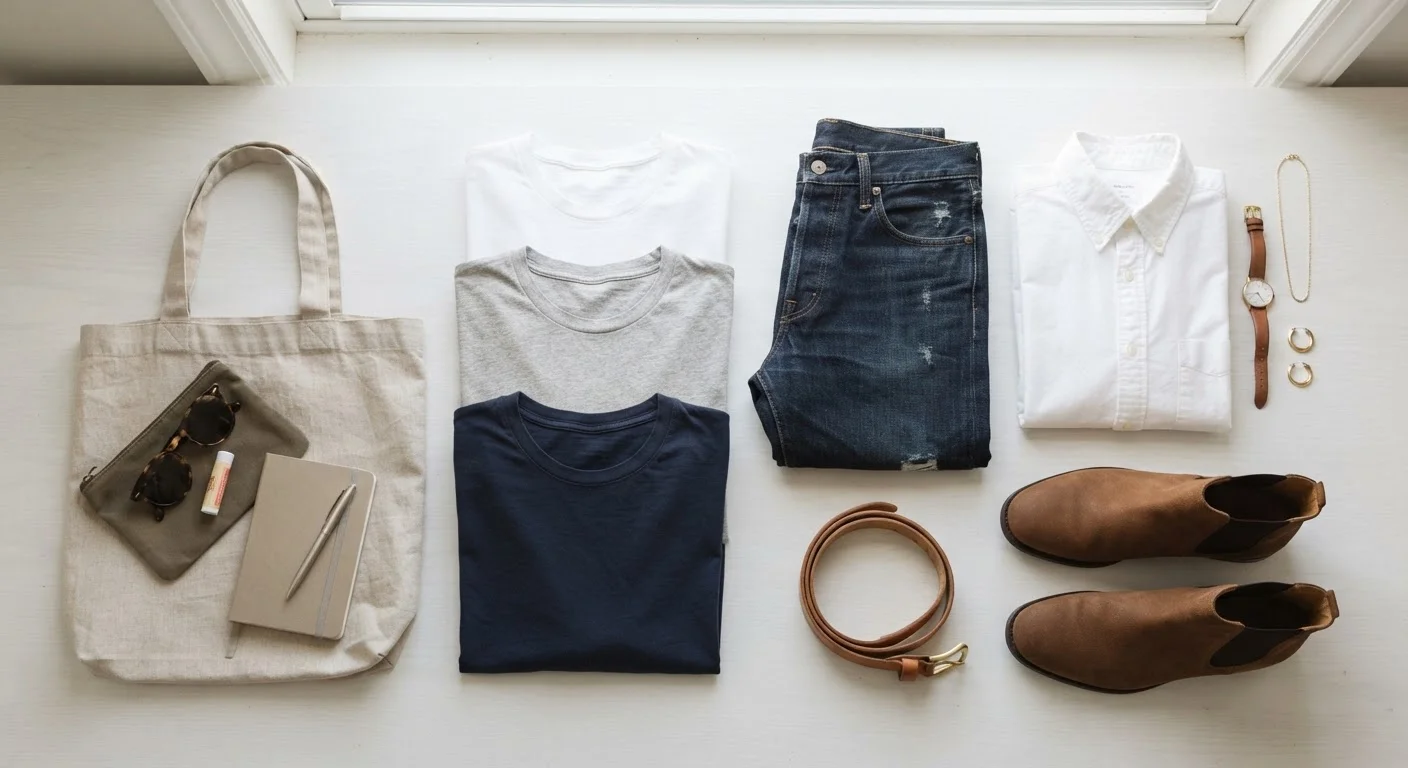
Using your audit results and lifestyle map, write a prioritized list of the specific gaps you need to fill — not everything at once, but the pieces that would immediately make getting dressed easier. Focus on items that serve multiple purposes: a dark wash pair of jeans, a few neutral t-shirts, a plain button-down shirt, a versatile jacket, and a pair of clean, simple shoes cover the majority of everyday situations for most people.
Avoid adding anything trend-driven to this initial list. Trend-first shopping habits tend to produce a closet full of pieces that don't work together — the opposite of what you're building here.
Stick to a neutral, mixable color palette
When every item in your wardrobe works with every other item, you get exponentially more outfit options from fewer pieces. Choose a foundation of two or three neutral colors — navy, grey, white, black, or tan are reliable starting points — and let any color or pattern serve as an accent rather than the base. This approach is central to building a versatile wardrobe with fewer pieces.
Source strategically to stretch your budget
Thrift stores, consignment shops, and online resale platforms are among the most effective tools for building a wardrobe on a limited budget. Focus on the fit and fabric condition rather than the label. For basics like plain t-shirts and simple trousers, discount retailers often offer adequate quality at low cost. For items that experience more wear — shoes, a well-structured jacket, or a versatile bag — it may be worth spending a bit more upfront. Learn which pieces are worth a higher investment before allocating your budget.
Evaluate fit and fabric before every purchase
Fit is the single most important quality indicator for any garment. A well-fitted piece from an inexpensive source will always look better than an ill-fitting piece from a premium one. Check that shoulders sit at the edge of the shoulder bone, that hems fall where intended, and that fabric doesn't pull or bunch when you move. On fabric, look for tighter weaves and heavier weights in basics — they tend to hold their shape longer through washing.
Think in Outfits, Not Individual Pieces
Every time you consider a new purchase, ask whether it creates at least three distinct outfits with items you already own. If you can't immediately identify those combinations, the piece isn't serving your wardrobe — it's just adding to it. This mental check alone prevents the majority of impulse purchases that leave closets full but unwearable.
Avoid Buying in Bulk Early On
It can be tempting to fill every gap on your list quickly, especially during a sale. But buying too many items at once makes it hard to evaluate whether each piece truly works in your wardrobe before the return window closes. Pace your purchases and wear each new addition a few times before adding the next.
Maintaining and Expanding Over Time
Once you have a functional foundation in place, resist the urge to keep adding. Give yourself at least a month of regular wear before identifying new gaps. When you do expand, apply the same criteria: does this piece work with what I already own, does it fit my lifestyle, and does it fit my budget? A wardrobe built this way tends to stay manageable because every item justifies its presence.
As your needs evolve — a new job, a change in climate, or a lifestyle shift — revisit your inventory using a structured closet audit to keep the collection aligned with your actual life rather than a version of it that no longer applies. You might also find it useful to think through seasonal versus year-round clothing as your wardrobe matures and your climate considerations become clearer.