
What the Vet Is Actually Evaluating
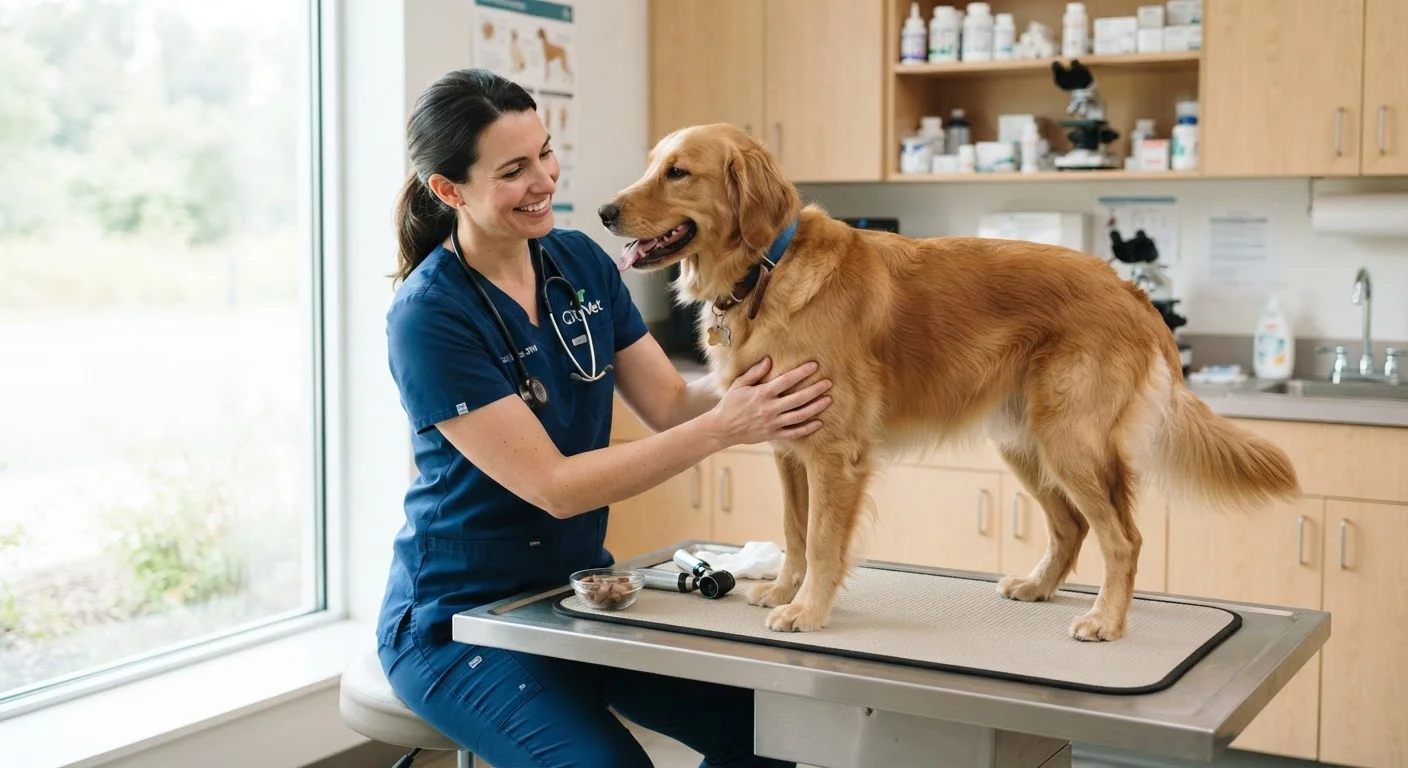
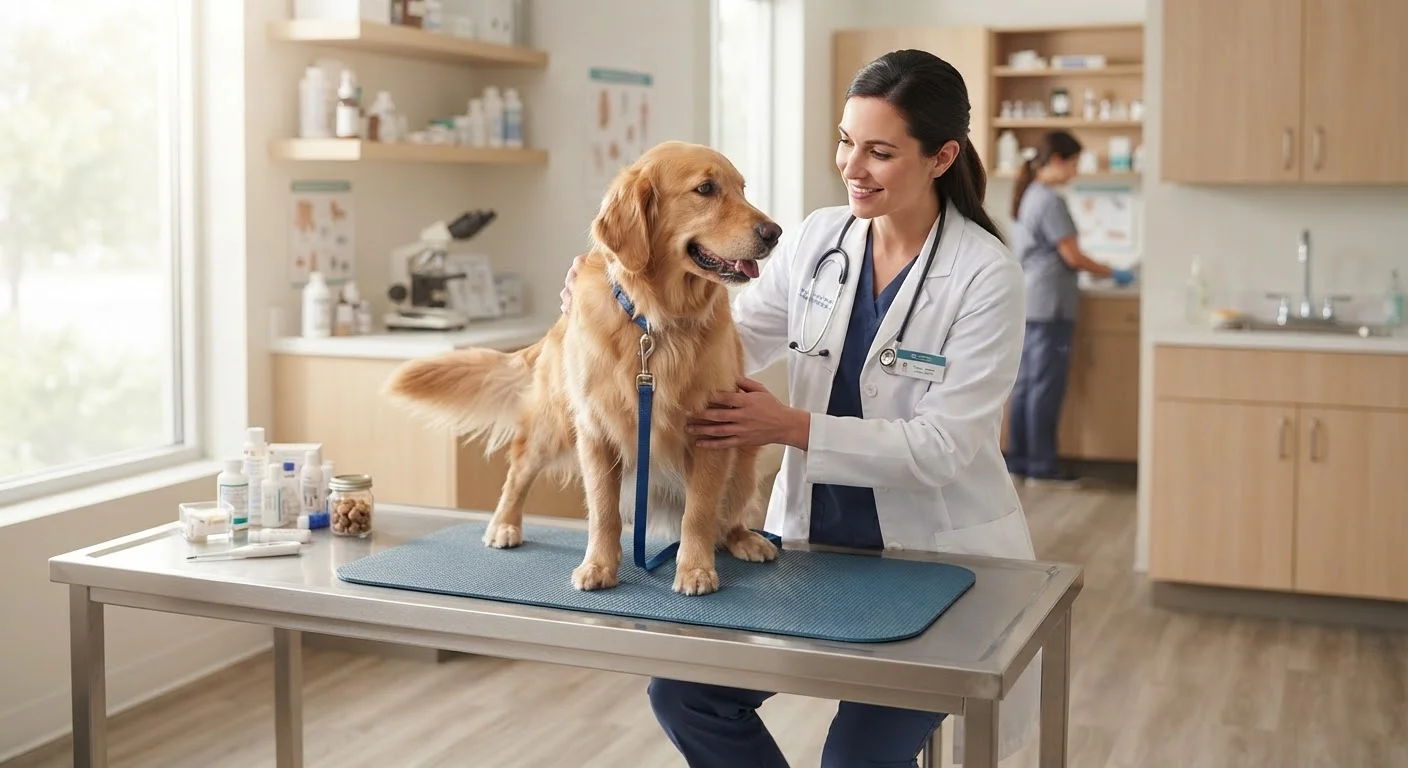
Most pet owners associate vet visits with vaccines — but the physical exam itself is the heart of the appointment. From the moment your pet enters the room, the veterinarian is observing how they move, their alertness, and their body condition.
A standard wellness exam proceeds roughly head to tail:
- Eyes and ears: Checking for discharge, inflammation, or early signs of infection or cataracts.
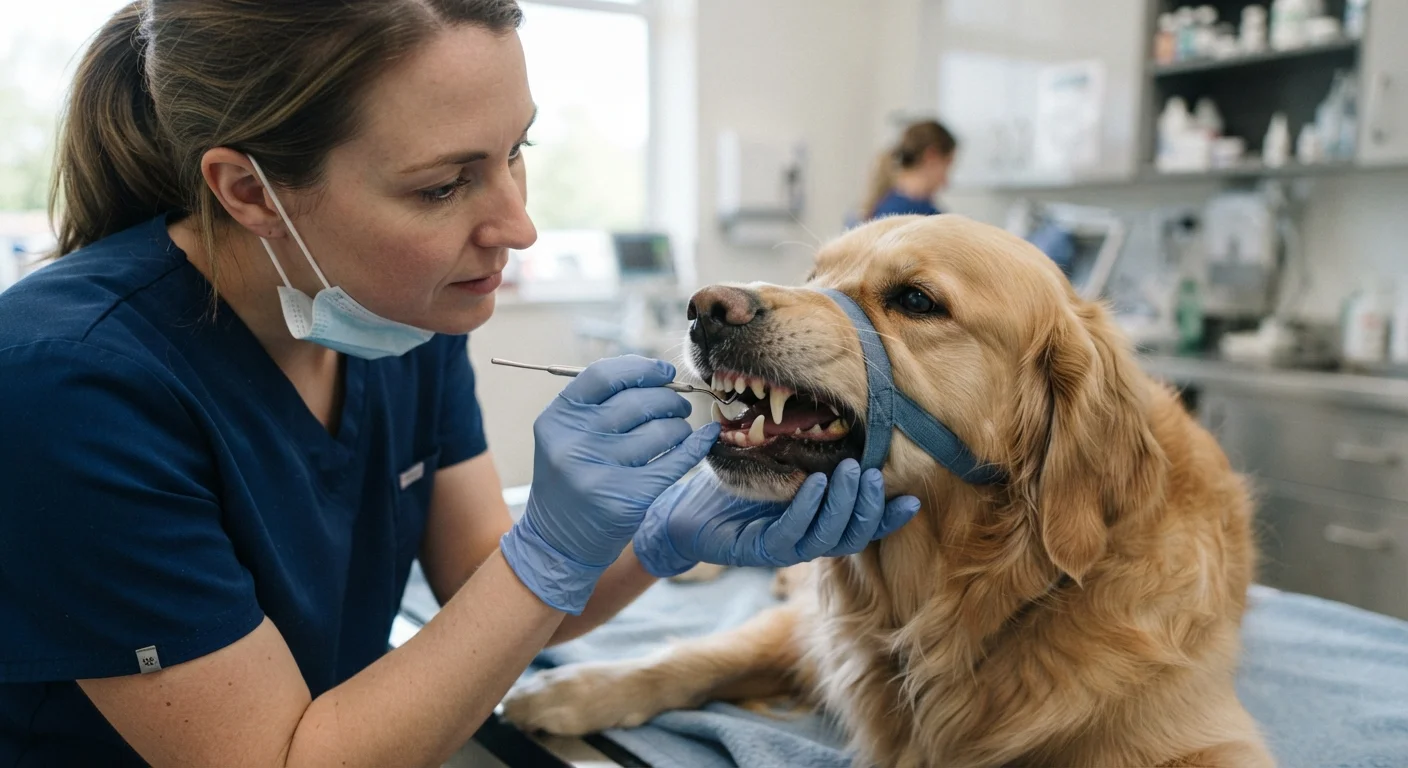
- Mouth and teeth: Dental disease is one of the most common and underdiagnosed conditions in pets. Vets look for tartar buildup, gum inflammation, and tooth fractures. See our guide to pet dental care to understand what this can involve.
- Heart and lungs: A stethoscope exam listens for murmurs, arrhythmias, or abnormal lung sounds that may not produce visible symptoms.
- Abdomen: Manual palpation can reveal enlarged organs, masses, or areas of discomfort.
- Skin and coat: Thinning fur, unusual lumps, or skin changes can signal allergies, hormonal problems, or parasites.
- Weight and body condition score: Obesity is a major risk factor for diabetes, joint disease, and reduced lifespan in pets — and gradual weight gain is easy for owners to miss.
- Lymph nodes and musculoskeletal system: Swollen nodes or stiffness in movement may prompt further investigation.
Questions Worth Asking at Every Visit
Beyond the physical exam, use your appointment time to ask about your pet's ideal weight, appropriate exercise level, and whether any life-stage changes — like transitioning to a senior diet — are on the horizon. Vets welcome owners who come prepared with questions; it leads to more productive appointments and better long-term outcomes.
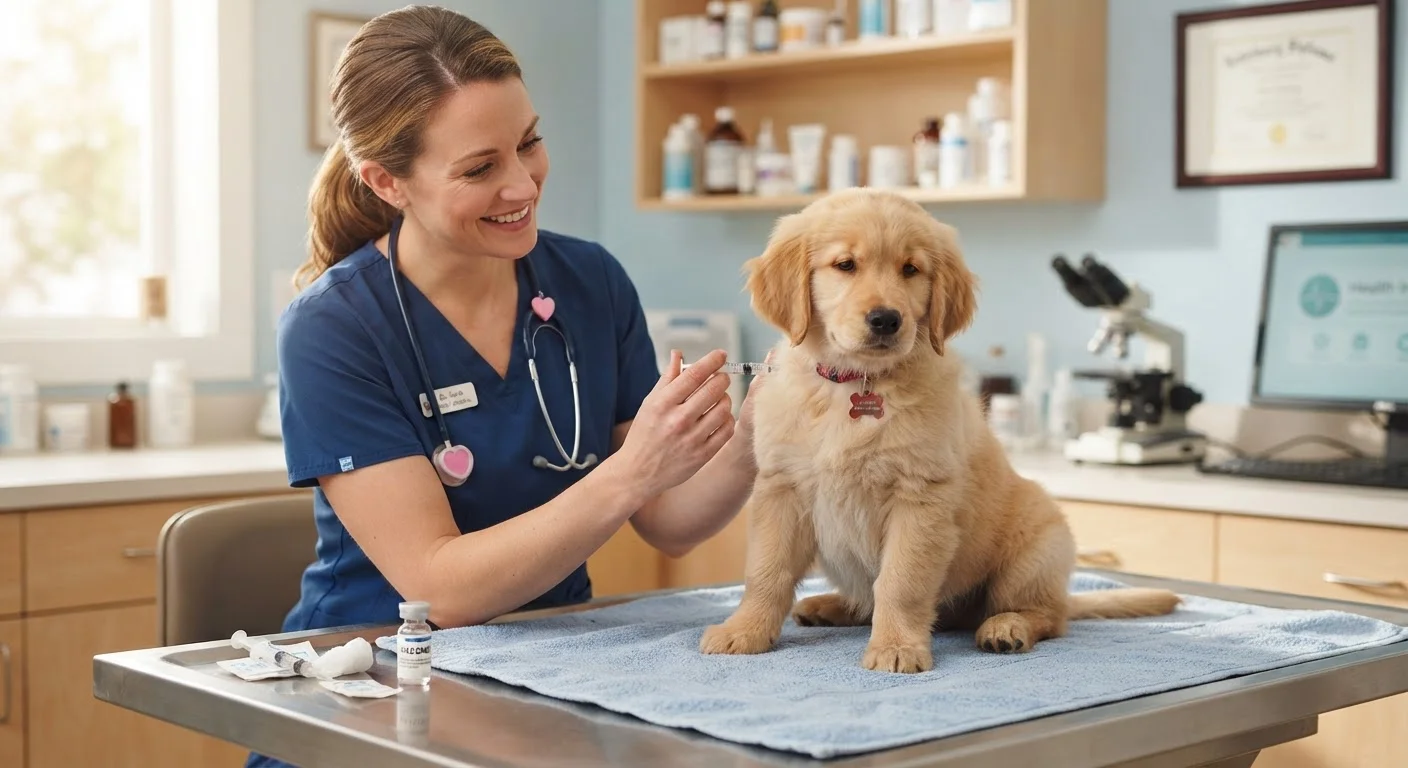
The exam also includes a review of your pet's vaccination status and parasite prevention needs. Your vet will let you know which boosters are due and whether your pet's current flea, tick, or heartworm protocol is appropriate for their lifestyle and local risk factors. For a detailed breakdown of vaccine timing, see our pet vaccination schedule explainer.
Why Routine Exams Catch What You Can't See at Home
Pets are instinctively guarded about showing vulnerability — meaning they often mask pain, discomfort, or early illness until a condition has progressed considerably. Owners who know their pets well still have a significant blind spot: they lack the clinical tools and medical training to detect a heart murmur, feel a subtle abdominal mass, or identify the early stages of periodontal disease.
This is where the annual visit does its most important work. Vets establish a baseline for each patient: a record of normal weight, heart rate, organ size, and coat condition over time. A reading that looks fine in isolation may look different when compared to the same pet's record from two or three years prior.
80%
Of pets over three have dental disease
According to the American Veterinary Medical Association, the majority of dogs and cats show signs of periodontal disease by age three — a condition routinely identified during wellness exams.
1 in 3
Pets with a serious condition appear healthy
Veterinary studies suggest a significant proportion of pets diagnosed with internal conditions such as kidney disease or diabetes showed no outward symptoms detectable by their owners prior to diagnosis.
Wellness exams aren't just for sick pets — they're the mechanism through which vets find the conditions that don't yet look like illness. Waiting until symptoms appear often means intervening at a more advanced — and expensive — stage.
For pet owners who find clinic visits stressful for their animals, practical preparation makes a real difference. Our article on preparing your pet for a vet visit covers carrier training, arrival strategies, and other ways to reduce anxiety before and during the appointment.
Making the Most of Your Pet's Annual Appointment
An annual exam is also your opportunity to ask questions and raise concerns you may have set aside throughout the year. Vets report that many owners hesitate to bring up behavioral changes, dietary questions, or minor physical observations — but these details are often diagnostically useful.
A few ways to prepare:
- Write down observations in advance. Behavioral shifts, changes in appetite or thirst, new lumps, or altered energy levels are worth noting — even if they seem minor.
- Bring a stool sample. Many clinics request one at annual visits to screen for intestinal parasites. Call ahead to confirm whether yours does.
- Discuss nutrition and weight. Your vet can evaluate whether your pet's current diet and feeding amounts are appropriate for their age, breed, and activity level.
- Ask about age-appropriate screening. Older pets may benefit from bloodwork, urinalysis, or blood pressure monitoring that isn't part of a standard exam but can detect conditions like early kidney disease or hyperthyroidism.
Annual preventive care is part of a broader approach to keeping pets healthy at every life stage. For a comprehensive look at what that involves, see our overview of preventive veterinary care. And for daily habits that support what the vet sees once a year, consider building a consistent routine — our daily grooming habits guide outlines practical ways to monitor your pet's condition between visits.
Senior Pets May Need More Frequent Exams
Dogs and cats are generally considered seniors around age seven, though this varies by species and breed. At this life stage, many vets recommend biannual wellness exams rather than annual ones. Age-related conditions like arthritis, organ dysfunction, and endocrine disorders can develop and progress more rapidly in older animals, making more frequent monitoring worthwhile.
This article provides general educational information about veterinary wellness exams and is not a substitute for professional veterinary advice. Always consult a licensed veterinarian for guidance specific to your pet's health needs.