

What an Auto Loan Actually Is
An auto loan is a type of installment loan used to finance the purchase of a vehicle. A lender — such as a bank, credit union, or finance company — pays the dealership or seller on your behalf, and you repay that lender in fixed monthly installments over an agreed period. In most cases, the vehicle itself serves as collateral, meaning the lender holds a lien on the title until the loan is paid in full.
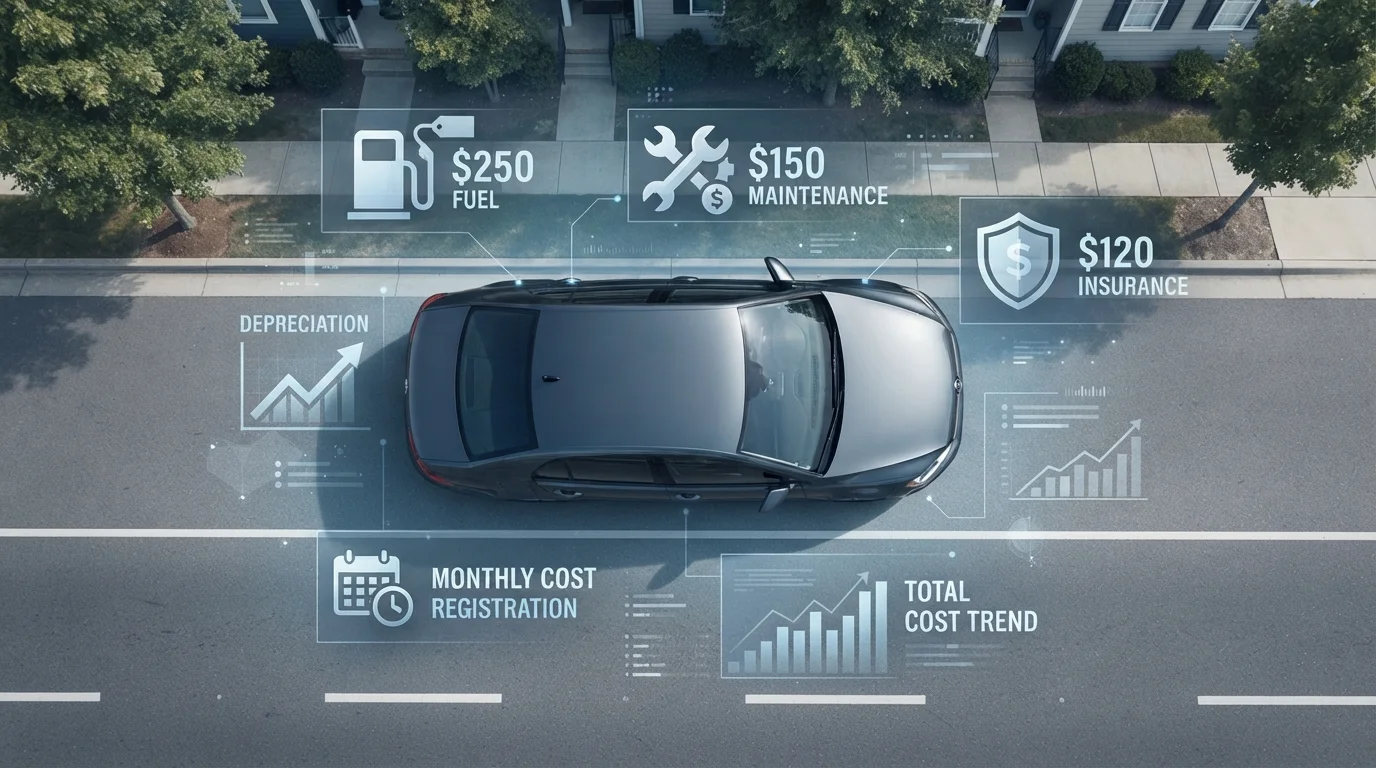
Before diving into financing, it pays to understand the vehicle you're considering. See our practical guide to researching a car before you buy for a structured approach to vetting any vehicle. Also keep in mind that the loan payment is just one part of what you'll spend — total cost of ownership, including insurance, fuel, and maintenance, matters too.
Principal
The original amount of money you borrow — the vehicle's purchase price minus your down payment and any trade-in equity.
APR (Annual Percentage Rate)
The yearly cost of borrowing expressed as a percentage, including the interest rate and any lender fees. Use APR to compare loan offers accurately.
Loan term
The length of time — measured in months — over which you agree to repay the loan. Common terms range from 36 to 84 months.
Down payment
An upfront cash payment made at the time of purchase that reduces the amount you need to finance.
Negative equity
A situation where you owe more on your loan than the vehicle is currently worth, also called being 'upside down' on the loan.
Lien
A legal claim a lender holds on your vehicle as security for the loan. The lien is released — and you receive clear title — once the loan is fully paid.
Pre-approval
A conditional offer from a lender stating the loan amount and rate you qualify for, based on a credit check. Pre-approval helps you shop with a known budget and rate.
APR, Interest Rate, and What They Cost You
The interest rate is the percentage the lender charges on the principal — the amount you borrowed. The Annual Percentage Rate (APR) includes the interest rate plus any lender fees rolled into the financing, expressed as a yearly figure. Because APR captures more of the loan's true cost, it is the correct figure to use when comparing offers side by side.
Even a small difference in APR compounds significantly over a multi-year loan. On a $25,000 loan over 60 months, the difference between a 5% APR and a 7% APR amounts to roughly $1,400 in additional interest over the life of the loan. Your credit history, the age of the vehicle, the loan term, and the lender's policies all influence the rate you're offered.
Get Rate Quotes Before You Shop
Contact your bank or credit union for a pre-approval before visiting any dealership. This gives you a concrete APR to compare against whatever financing a dealer offers. Even if dealer financing turns out to be competitive, having a benchmark quote protects you from accepting a higher rate by default.
Loan Terms and Monthly Payments
The loan term is the length of time you have to repay the loan, typically expressed in months — common terms are 36, 48, 60, 72, and 84 months. A shorter term means higher monthly payments but less total interest paid. A longer term lowers the monthly payment but increases the cumulative interest cost and extends how long the lender holds a lien on your vehicle.
Long loan terms — particularly 72 or 84 months — also raise the risk of negative equity. Vehicles depreciate continuously, and a slow-paying loan may leave you owing more than the car is worth for several years. This matters most if you need to sell or trade in the vehicle before the loan is paid off. Our article on trade-in pitfalls explains how existing loan balances can quietly reduce what you walk away with.
Long Loan Terms Carry Hidden Costs
An 84-month loan may appear affordable on a per-month basis, but you'll pay substantially more in interest over that period — and depreciation may outpace your payoff for years. If you must stretch the term to afford the payment, the vehicle may be priced beyond your current budget. Consider adjusting the purchase price rather than extending the term.
Down Payments and Why They Matter
A down payment is the amount you pay upfront at the time of purchase, reducing the amount you need to borrow. A larger down payment has two immediate benefits: it lowers your monthly payment and reduces the total interest charged over the loan's life. It also provides a buffer against depreciation, making it less likely you'll end up underwater on the loan.
If you have a vehicle to trade in, that equity can function as part of your down payment — though it's worth understanding how trade-in negotiations work before combining them with a purchase deal. As a general principle, separating the conversations about trade-in value and new vehicle financing helps ensure each is handled clearly and on its own terms.
Where to Get an Auto Loan
Auto loans are available from several types of lenders, each with different processes and rate structures:
- Banks and credit unions: Often offer competitive rates. Credit unions in particular may have member-focused terms. Getting pre-approved here before visiting a dealership gives you a benchmark rate to compare against dealer financing.
- Dealer financing: Dealerships work with a network of lenders and can arrange financing on-site. This is convenient, but rates can vary. Dealers sometimes mark up rates above what a lender offered them — a practice known as a dealer reserve.
- Online lenders: A growing number of financial institutions operate entirely online and may offer quick pre-approval decisions. Compare their offers against traditional lenders before committing.
If auto financing is an area you're weighing against other options, it's worth reading about how car leasing works to understand the structural differences. This article is for general informational purposes and does not constitute personalized financial advice — consult a licensed financial professional for guidance suited to your situation.
What to Watch Out For
First-time buyers face a few common pitfalls worth knowing in advance:
- Focusing only on the monthly payment: A low monthly payment achieved by extending the term can cost significantly more in total interest. Always calculate the full amount you'll repay.
- Skipping pre-approval: Walking into a dealership without a pre-approval leaves you with less negotiating leverage on the financing side.
- Not reading the loan agreement: Prepayment penalties, add-on products, and gap insurance can all be embedded in dealer-arranged financing contracts. Review every line before signing.
- Rolling negative equity forward: If you owe more on a trade-in than it's worth, that balance may be added to your new loan — increasing both your debt and your interest costs.
Whether you're buying your first commuter vehicle or exploring a different segment — see the motor vehicles by type hub for an overview of vehicle categories — understanding financing fundamentals puts you in a far stronger position at the point of purchase.
This article is for general informational and educational purposes only and does not constitute personalized financial or legal advice. Loan terms, rates, and eligibility vary by lender and individual circumstances. Consult a qualified financial professional before making financing decisions.