
What 'Active' Really Means
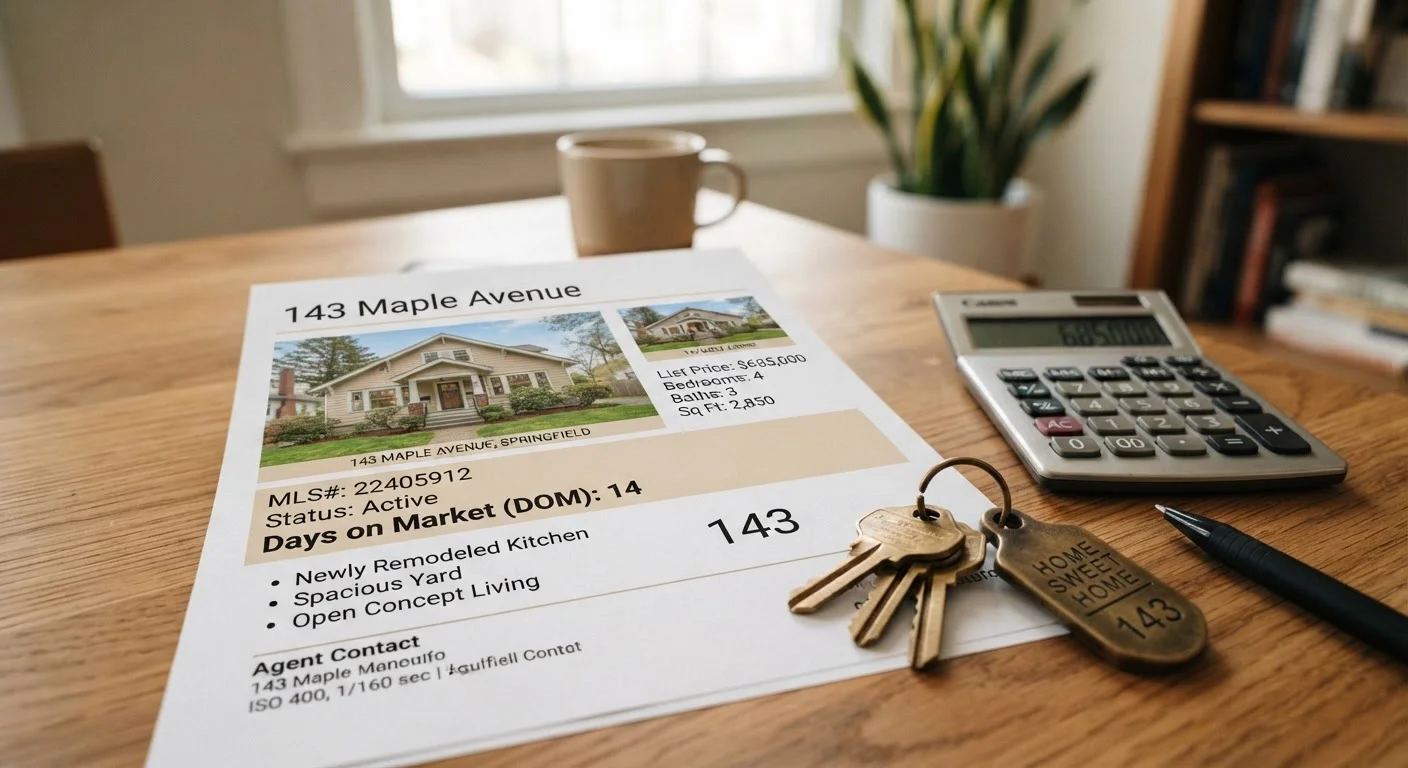
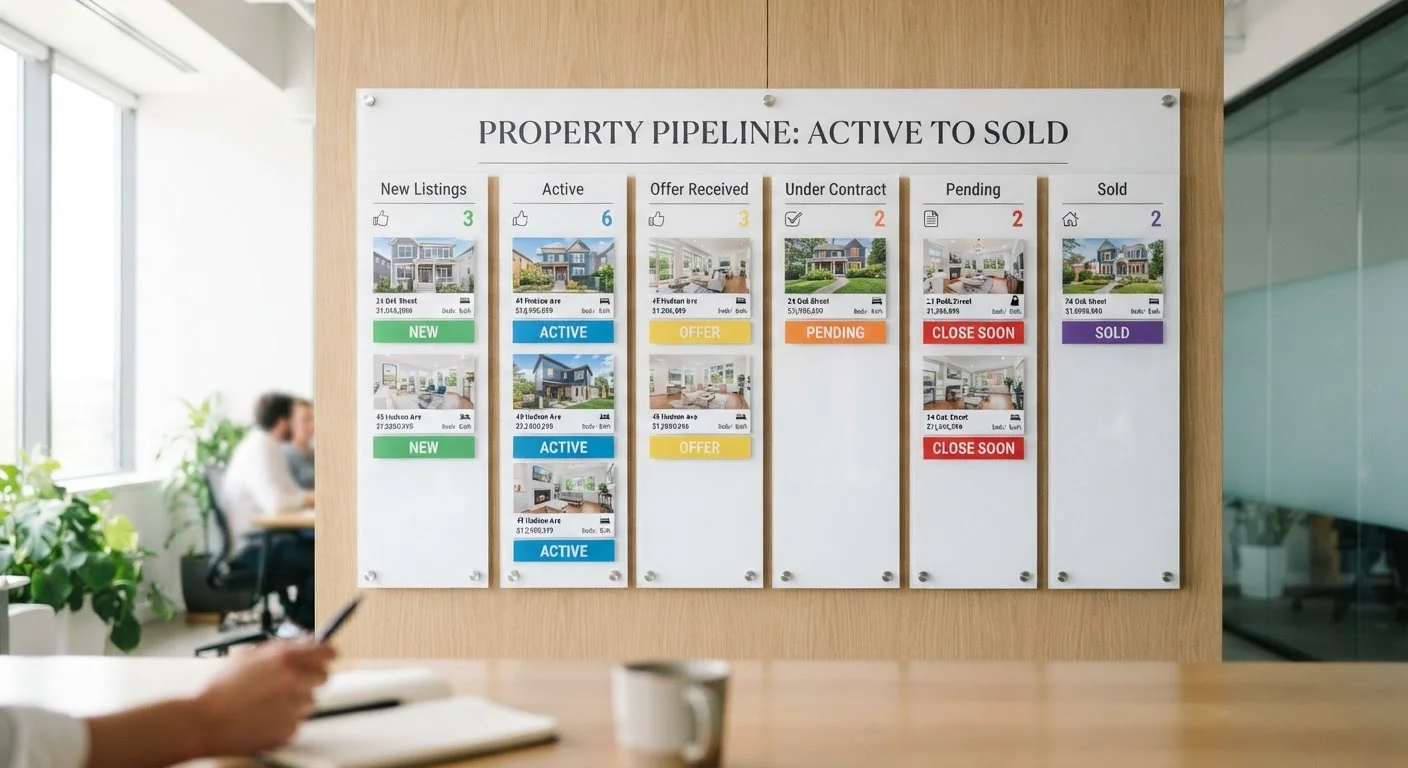
When a property is listed as Active, it is officially on the market and available for showings, offers, and inquiries. The seller has engaged a listing agent, the property has been entered into the MLS, and all disclosures are in the process of being prepared or distributed.
Active status does not mean the seller will accept any offer — it simply confirms the property is open to negotiation. Buyers should act with reasonable urgency in competitive markets, as active listings can receive multiple offers within days of appearing online.
One detail worth understanding: a listing can be active even before it appears on consumer portals like Zillow or Realtor.com, because there is often a delay in data syndication. Buyers working directly with a licensed agent typically receive MLS updates faster than those relying solely on third-party search sites.
Get MLS Alerts Through a Licensed Agent
Consumer portals often lag behind the MLS by 24 to 48 hours. Working with a licensed buyer's agent gives you access to status changes in near-real time, which matters significantly in fast-moving markets. Ask your agent to set up automated MLS alerts for your target neighborhoods and price range.
The Contingent Stage: An Offer With Conditions
When a seller accepts an offer and the listing moves to Contingent, it means the deal is underway — but not yet certain. Contingencies are conditions written into the purchase contract that must be satisfied before the sale can proceed. The most common include:
- Home inspection contingency: The buyer has the right to inspect the property and negotiate repairs or withdraw if major issues are found.
- Financing contingency: The buyer's mortgage must be formally approved within a set window.
- Appraisal contingency: The property must appraise at or above the agreed purchase price.
- Home sale contingency: The buyer's current home must sell before they can complete the purchase.
Because contingencies can fall through, many sellers continue to accept backup offers during this stage. If the primary contract collapses, the listing may return to active — a process sometimes called a back on market event. For a deeper look at how agents and other service providers navigate this stage, see our complete overview of real estate services from contract to closing.
Contingency Timelines Are Negotiated
There is no universal standard for how long a contingency period lasts. Inspection windows are often set at 7 to 14 days, while financing contingencies may extend 21 days or more. These timelines are written into the purchase contract and agreed upon by both parties. Local market norms, lender requirements, and negotiation dynamics all influence the final terms.
Pending: The Home Stretch Before Closing
A Pending listing signals that contingencies have been resolved or waived, and the transaction is proceeding toward a closing date. At this stage, the buyer's lender is typically finalizing loan documents, the title company is conducting a title search, and both parties are preparing for the transfer of ownership.
While it is less common for pending sales to fall apart than contingent ones, it is not impossible. Appraisal disputes, last-minute financing issues, or title defects can still derail a transaction during the pending phase.
30–60
Typical days in pending status
The pending phase generally spans one to two months, depending on financing type, local closing customs, and title processing timelines.
~5%
Estimated rate of pending sales that fall through
Industry estimates suggest roughly 5% of real estate transactions under contract do not reach closing, often due to financing, appraisal, or inspection issues.
1–7 days
Median time to first offer in competitive markets
In high-demand metros, active listings frequently receive offers within the first week, underscoring the importance of buyer preparedness.
For buyers tracking a property they hoped to purchase, a pending status is usually a signal to redirect attention to other listings. That said, reaching out to a listing agent to be placed on a backup list is always a reasonable option.
Understanding how long a property has been in each status can also be informative. Our guide on days on market and what the number reveals explains how to interpret this data point strategically.
Sold: What Finalizes the Transaction
A listing officially becomes Sold when the real estate transaction closes — meaning the deed is recorded with the local government and legal ownership transfers from seller to buyer. The sold price, once recorded, becomes part of the public record and is used by appraisers and agents to establish comparable sales, commonly called comps.
It is worth noting that the price displayed as "sold" on a listing portal is the final agreed-upon purchase price, which may differ from the original list price due to negotiations, inspection credits, or market shifts. Buyers researching a neighborhood can use sold data to assess whether active listings are priced reasonably.
For context on how listing language shapes buyer perception before a deal even reaches the sold stage, our article on how listing descriptions are written offers useful perspective.
This article is for general informational purposes only and does not constitute legal, financial, or real estate advice. Listing statuses, terminology, and processes vary by region and MLS. Consult a licensed real estate professional for guidance specific to your circumstances.