
Why Apartment Pet Ownership Deserves an Honest Look
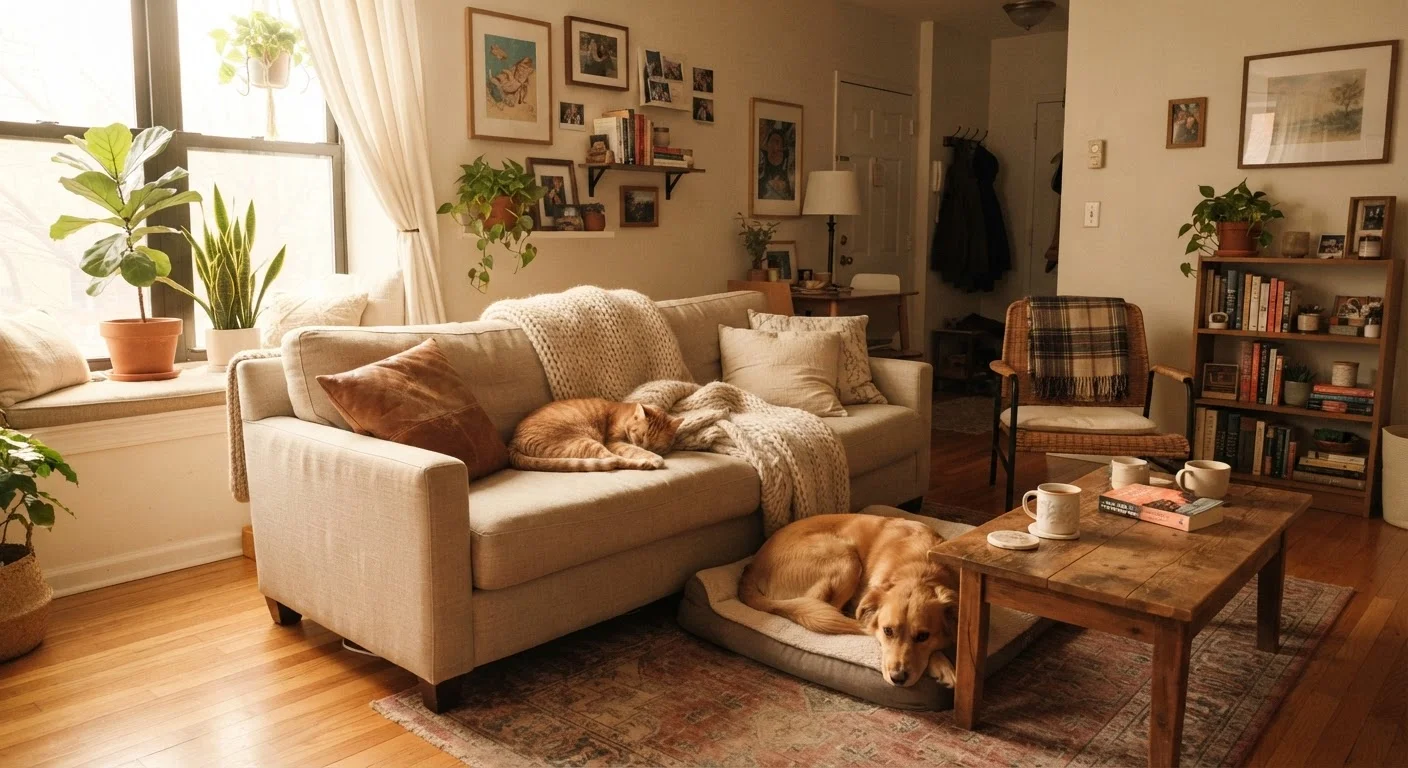
More than a third of U.S. households rent rather than own, and a large share of those renters have or want pets. The appeal is understandable — companionship, routine, and mental health benefits are well-documented. But apartment living introduces real constraints that good intentions alone won't solve.
This isn't a case against pets in apartments. It's a framework for thinking clearly before you commit — or, if you already have a pet, for identifying what adjustments might make the arrangement work better. For a broader foundation, our first-pet guide covers the essentials any new owner should work through first.
Companionship accessible without a yard
Many pets — particularly cats, small dogs, and certain small animals — adapt well to indoor living and provide meaningful companionship without requiring outdoor space of your own.
Motivates owners to leave home daily
Dog owners especially are nudged into regular walks and outdoor activity, which research consistently links to improved physical and mental wellbeing for the owner.
Easier to monitor health and behavior
In a smaller space, changes in eating, movement, or behavior are often noticed faster — which can mean earlier veterinary intervention when something is wrong.
Reduced cleaning area compared to larger homes
Shedding, litter tracking, and general mess are contained to a smaller footprint, which can make daily upkeep more manageable with consistent habits.
Many urban areas offer pet-friendly amenities
Dog parks, pet-friendly cafes, and urban walking trails mean that apartment-based pets can still access enriching environments with a little planning.
The Real Challenges You Should Plan For
The disadvantages of apartment pet ownership cluster around three areas: physical space, social logistics, and lease friction. None of these is automatically disqualifying, but each requires active management.
Limited space restricts high-energy breeds
Dogs bred for herding, working, or hunting typically need extensive daily exercise and mental stimulation that a small apartment cannot provide through indoor activity alone.
Noise can strain neighbor relationships
Barking, howling, or vocalizing pets in close-quartered buildings can generate complaints quickly, and repeated disturbances may result in lease violations.
Lease restrictions are common and consequential
Many rental agreements prohibit certain species, breeds, or animals over a set weight; violating these terms can lead to fees, required rehoming, or eviction.
No private outdoor access for bathroom needs
Dog owners must commit to multiple daily walks regardless of weather, work schedule, or health — there's no yard to substitute when circumstances make going out difficult.
Odor management requires consistent effort
In a small, enclosed space, litter boxes, bedding, and pet odors accumulate faster than in larger homes, demanding more frequent cleaning to keep the environment comfortable.
Emergency vet access in urban areas can be costly
Dense urban environments often have higher veterinary costs, and after-hours emergency clinics — which apartment dwellers may rely on more — typically charge significantly above standard rates.
Lease issues deserve special attention. Many buildings restrict species, weight, or breed — and violations can result in fines or eviction. Navigating leases and landlord rules is a topic every renter should understand before signing anything.
Choosing the Right Animal Makes All the Difference
Species and individual temperament matter more than square footage. A calm, low-energy adult cat or a small breed dog with moderate exercise needs will adapt to apartment life far better than a high-drive working breed or an animal that vocalizes extensively.
Indoor Cats Have Specific Enrichment Needs
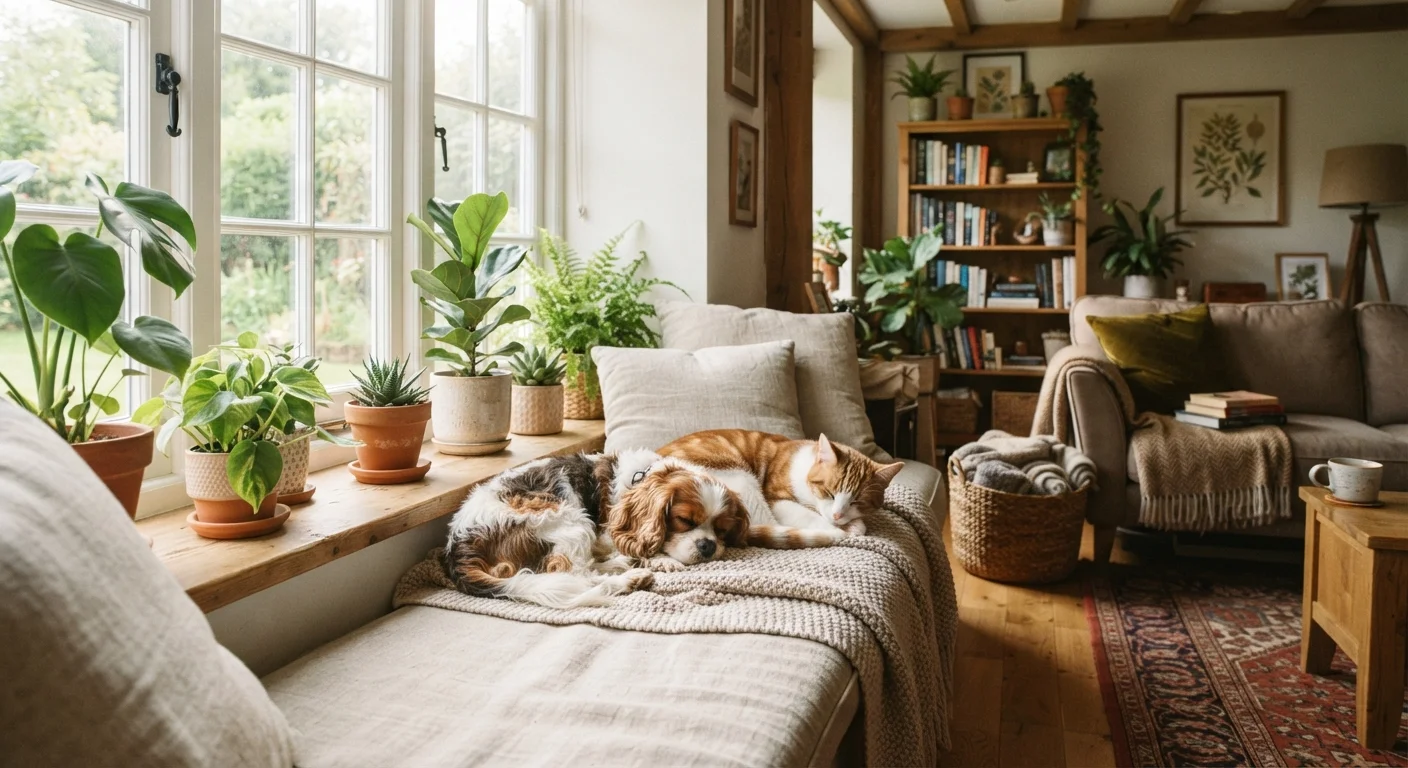
Cats kept exclusively indoors — the standard recommendation for apartment living — live longer on average but require deliberate environmental enrichment to avoid boredom and associated behavioral issues. Rotating toys, climbing structures, and window access to observe outdoor activity are all practical ways to meet those needs. For a detailed look at what indoor-only care involves, see Indoor vs. Outdoor Cats.
If you're weighing a dog versus a cat specifically, our side-by-side comparison breaks down the differences in time, space, and daily demands. For households that aren't sure a dog or cat is the right fit, genuinely low-maintenance alternatives may be worth considering — some small animals, fish, or birds can thrive in compact spaces with much less daily effort.
~33%
U.S. households that rent their home
According to U.S. Census Bureau data, approximately one-third of American households are renters, making apartment pet ownership a widespread and growing consideration.
72%
Pet owners who say pets reduce stress
A survey by the Human Animal Bond Research Institute found that the large majority of pet owners report measurable stress-reduction benefits from their animals.
Making It Work: Practical Strategies
Successful apartment pet ownership usually comes down to consistency and intentional enrichment rather than dramatic solutions. A few practices make a measurable difference:
- Establish a fixed daily routine. Pets — especially dogs — regulate anxiety far better when feeding, walks, and play happen on a predictable schedule.
- Maximize vertical space for cats. Wall-mounted shelves, cat trees, and window perches compensate for limited floor area and reduce boredom-driven behavior problems.
- Use puzzle feeders and enrichment toys. Mental stimulation reduces destructive behavior in confined environments, regardless of species.
- Know your building's noise thresholds. If your pet barks or vocalizes, address it through training early — neighbor complaints escalate faster in dense housing.
The Pet Care Basics hub is a useful reference for building out feeding, grooming, and daily care routines that support a well-adjusted indoor pet.
This article provides general information for educational purposes and is not a substitute for guidance from a licensed veterinarian or animal behaviorist. Every animal is different; consult a professional for advice specific to your pet's species, health, and individual needs.