

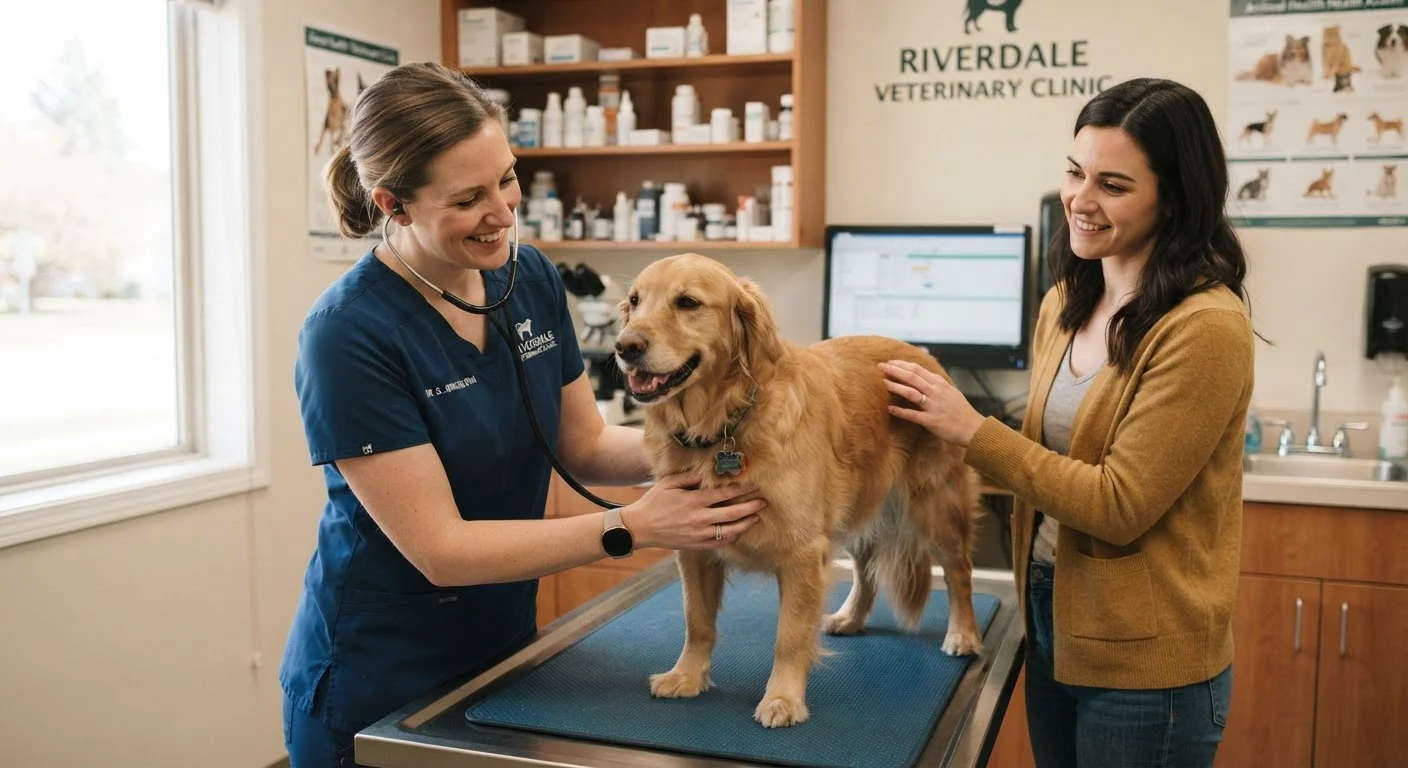
What Preventive Veterinary Care Actually Means
Preventive care is the structured, proactive approach to maintaining a pet's health — addressing risks and catching problems early rather than responding only when something goes wrong. It encompasses wellness exams, vaccinations, parasite control, dental care, and diagnostic screening. Together, these form the foundation of responsible ownership and are strongly endorsed by organizations such as the American Veterinary Medical Association (AVMA).
This is general information to help you understand your options; always work directly with a licensed veterinarian to build the right care plan for your specific animal. For a broader picture of your responsibilities as an owner, see our Pet Care Basics hub.
Core Components: What Preventive Care Includes
Understanding the specific services that fall under preventive care helps owners ask better questions at vet appointments and avoid gaps in coverage.
- Wellness exams: A nose-to-tail physical assessment, typically recommended annually for young adults and twice yearly for seniors or animals with known conditions.
- Vaccinations: Core vaccines (such as rabies and distemper for dogs; rabies and panleukopenia for cats) are considered essential. Non-core vaccines are tailored to lifestyle and exposure risk.
- Parasite prevention: Fleas, ticks, heartworm, and intestinal parasites can cause serious harm. Many veterinarians recommend year-round prevention products — the specific protocol depends on your region and pet's lifestyle.
- Dental cleanings and oral exams: Periodontal disease is one of the most common conditions in adult pets. Professional cleanings under anesthesia are often necessary to address buildup home brushing cannot reach.
- Diagnostic bloodwork and urinalysis: Baseline panels help detect organ dysfunction, diabetes, anemia, and other conditions early — often before clinical signs appear.
Talk to Your Vet About a Wellness Plan
Many veterinary practices offer structured wellness plans that bundle routine exams, vaccinations, and parasite prevention into a predictable annual cost. These plans vary widely in what they include, so ask your vet to walk you through exactly what is and isn't covered before enrolling. This isn't insurance — it's a scheduled-care program — so understand the distinction before signing up.
Why Preventive Care Pays Off
The logic behind preventive care is straightforward: identifying and addressing a condition in its early stage is almost always less complicated — and less expensive — than treating an advanced one. A heartworm infection caught late, for example, requires intensive and lengthy treatment, while a simple monthly preventive can stop it from developing at all.
80%
Pets with dental disease by age three
The American Veterinary Medical Association estimates that most dogs and cats show signs of periodontal disease by the time they reach three years of age.
1 in 200
U.S. dogs testing positive for heartworm
According to the American Heartworm Society, approximately one in two hundred dogs tested in the United States is heartworm positive, with rates much higher in certain regions.
Beyond cost, there is a quality-of-life dimension. Pets cannot communicate pain or discomfort the way humans can. Regular professional evaluation is often the only reliable way to detect problems such as early arthritis, dental pain, or internal organ changes. For a practical guide on recognizing when a concern warrants urgent attention rather than a routine visit, refer to our article on when a symptom needs same-day care vs. a scheduled appointment.
Building a Preventive Care Routine
Consistency is what makes preventive care effective. Sporadic visits or skipped doses of parasite prevention create gaps that undermine the entire system. Here are practical habits to establish early:
- Schedule your pet's annual wellness exam at the same time each year — tying it to their birthday or adoption anniversary makes it easier to remember.
- Keep a health record folder (physical or digital) with vaccination dates, test results, and medications administered.
- Ask your veterinarian which parasite preventives are appropriate for your region — prevalence varies significantly by geography and season.
- Don't skip dental checks. If your vet recommends a professional cleaning, discuss the timeline and what to expect.
For more foundational guidance on caring for your pet day-to-day, explore our Pet Health hub.
This article is for general informational purposes only and does not constitute veterinary advice. Always consult a licensed veterinarian for guidance specific to your pet's health needs.