

Why Credit Score Myths Are Costly
Credit scores quietly influence some of the most significant financial decisions in American life — mortgage approvals, auto loan rates, even rental applications. Yet a surprising number of people manage their credit based on beliefs that are simply wrong. Acting on bad information can mean paying higher interest rates, carrying unnecessary debt, or damaging a score while trying to protect it.
The myths below are among the most persistent. Understanding where they come from — and why the facts differ — helps you make decisions grounded in how credit scoring actually works rather than how people assume it does.
This article is for general informational purposes only and does not constitute personalized financial advice. For guidance specific to your situation, consult a licensed financial professional.
The Myths — and What the Evidence Shows
Each of the following misconceptions is common enough that financial counselors and credit educators encounter them regularly. Some are rooted in a partial truth; others have no real basis at all.
Myth
Carrying a small balance on your credit card each month helps build your credit score.
Fact
Carrying a balance has no scoring benefit and simply generates interest charges you don't need to pay.
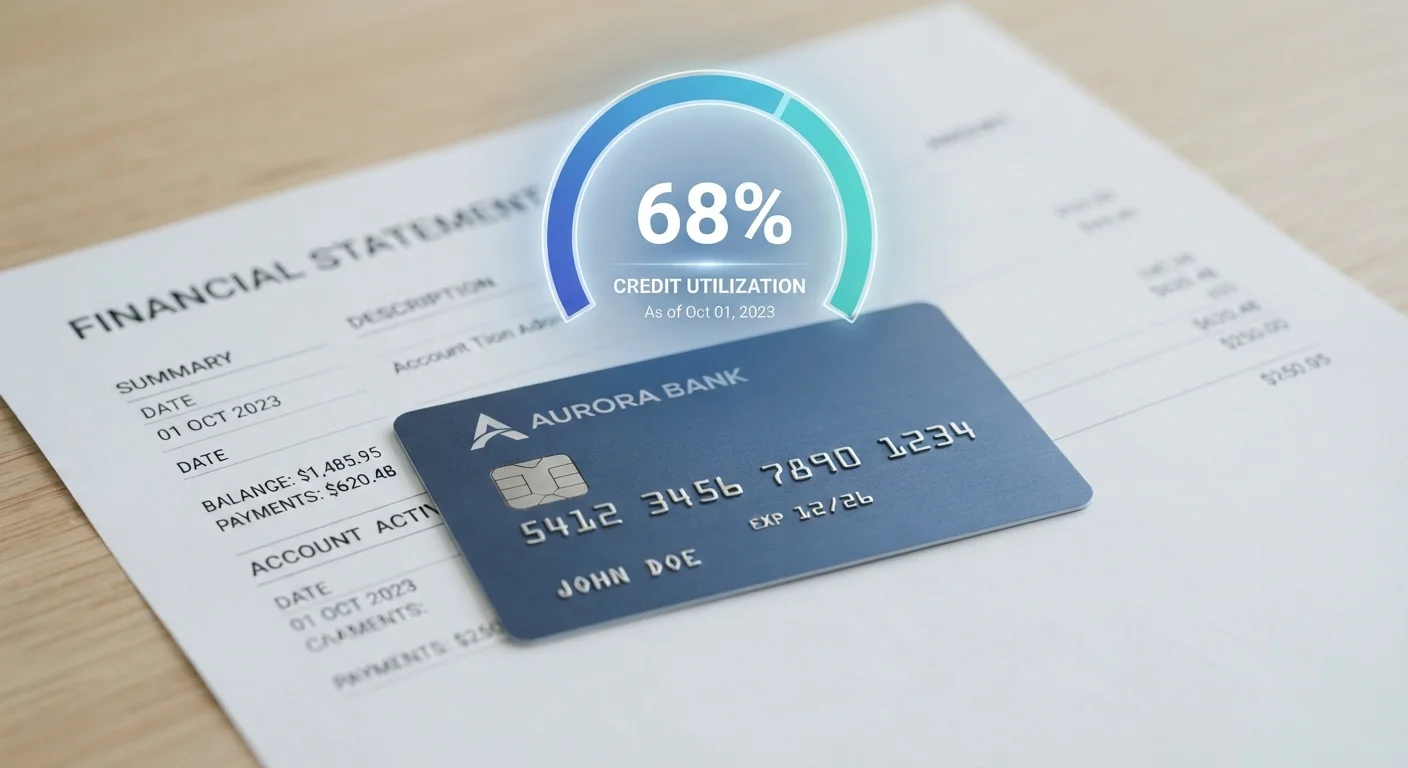
This myth likely stems from a confusion between having active credit and carrying a balance. Credit scoring models — including FICO and VantageScore — do reward active, responsible use of credit. But "active use" means making purchases and paying them off, not letting a balance linger. A balance that rolls over month to month increases your credit utilization ratio, which can actually lower your score if it climbs too high. Pay your statement balance in full each cycle to avoid interest without sacrificing any scoring benefit.
Myth
Checking your own credit score will lower it.
Fact
Checking your own score is a soft inquiry and has absolutely no impact on your credit score.
There are two types of credit inquiries: hard and soft. Hard inquiries occur when a lender reviews your credit as part of an application decision — these can have a small, temporary negative effect. Soft inquiries include background checks, pre-approval screenings, and your own credit checks. Soft inquiries do not affect your score at all. In fact, monitoring your own credit regularly is considered a sound financial habit, since it helps you catch errors or signs of fraud early. Federal law entitles consumers to free reports from each bureau annually at AnnualCreditReport.com.
Myth
Closing credit cards you don't use will improve your credit score.
Fact
Closing old or unused cards can actually lower your score by reducing available credit and shortening your credit history.
Two important scoring factors work against closing cards: credit utilization and length of credit history. When you close a card, you lose that account's credit limit, which increases your utilization ratio if you carry any balances elsewhere. Additionally, older accounts contribute positively to your average account age — a factor in most major scoring models. A dormant card with no annual fee is generally better left open with occasional small purchases to keep it active. If a card carries a fee that isn't justified, it may be worth closing — but understand the potential short-term scoring impact before doing so.
Myth
You need to reach a perfect 850 credit score to get the best rates.
Fact
Lenders typically offer their best rates to borrowers in the "excellent" tier, which usually begins well below 850.
While 850 is the maximum score on the standard 300–850 FICO scale, lenders generally tier their pricing in broad bands. Most lenders reserve their best rates for borrowers above a threshold that typically falls in the 740–760 range, depending on the loan type and institution. The marginal difference between a 790 and an 850 is rarely reflected in a lower interest rate. Chasing a perfect score can lead to unnecessary anxiety or counterproductive behavior. A score solidly in the excellent range is functionally equivalent for most borrowing purposes.
Myth
Shopping around for loans always hurts your credit because each application creates a hard inquiry.
Fact
Credit scoring models typically treat multiple inquiries for the same loan type within a short window as a single inquiry.
FICO's scoring model groups multiple hard inquiries for mortgage, auto, and student loans made within a 45-day window and counts them as one inquiry. Older versions of the model use a 14-day window. This "rate shopping" allowance exists precisely because consumers benefit from comparing lenders — and the credit system is designed to accommodate that. The practical implication: don't avoid getting multiple quotes out of fear of score damage. Submit applications within a focused timeframe and the impact will be minimal. Credit card applications, however, are treated individually and do not receive this grouping benefit.
Myth
Income affects your credit score.
Fact
Income is not a factor in any major credit scoring model. Scores are based entirely on credit behavior, not earnings.
Credit scores from FICO and VantageScore are calculated using data from your credit report — payment history, amounts owed, length of credit history, credit mix, and new credit. Income does not appear on credit reports and plays no direct role in the score. Lenders may consider income separately when evaluating your overall creditworthiness or debt-to-income ratio for a specific loan, but that is a manual underwriting consideration, not part of the score itself. Someone with a modest income and consistent repayment history can carry a higher score than a high earner with late payments and heavy balances.
35%
Payment history's share of FICO score
According to FICO's published scoring breakdown, payment history is the single largest component of a standard FICO score, underscoring why on-time payments matter most.
30%
Score weight from amounts owed
FICO attributes roughly 30% of a score to amounts owed relative to available credit, making utilization management one of the most impactful levers consumers can control.
~200M
Americans with a scoreable credit file
The Consumer Financial Protection Bureau has estimated that approximately 200 million Americans have a credit file with at least one of the major bureaus, yet financial literacy gaps around credit remain widespread.
Practical Takeaways for Managing Credit
Once you strip away the myths, a clearer picture emerges: credit scores reward consistent, low-risk behavior over time — not tricks or workarounds. Paying on time, keeping balances low relative to your credit limits, and avoiding unnecessary account changes are the pillars that matter most. For a deeper look at how your revolving balances affect scoring, see how credit utilization shapes your score.
If you've missed a payment or are worried about one, the damage is real but manageable. Understanding the timeline helps you respond quickly — what happens to your credit when you miss a payment walks through exactly what to expect. And if your credit habits connect to broader spending patterns, the same myth-busting lens applies to budgeting: common budgeting myths that keep people stuck covers misconceptions that derail financial progress before it starts.
Rapid Score Changes Can Signal Real Problems
If your credit score drops suddenly and unexpectedly, don't assume it's a scoring glitch or the result of checking your own report. A sharp, unexplained drop can indicate fraudulent accounts opened in your name, errors reported by a creditor, or a missed payment you weren't aware of. Pull your full credit reports from all three bureaus — Equifax, Experian, and TransUnion — and review them carefully. Disputes can be filed directly with each bureau if you find inaccuracies.
Managing credit well is less about gaming the system and more about understanding the principles behind it. The more clearly you see how scores are calculated, the less likely you are to make decisions that work against you.