
What Credit Utilization Actually Measures
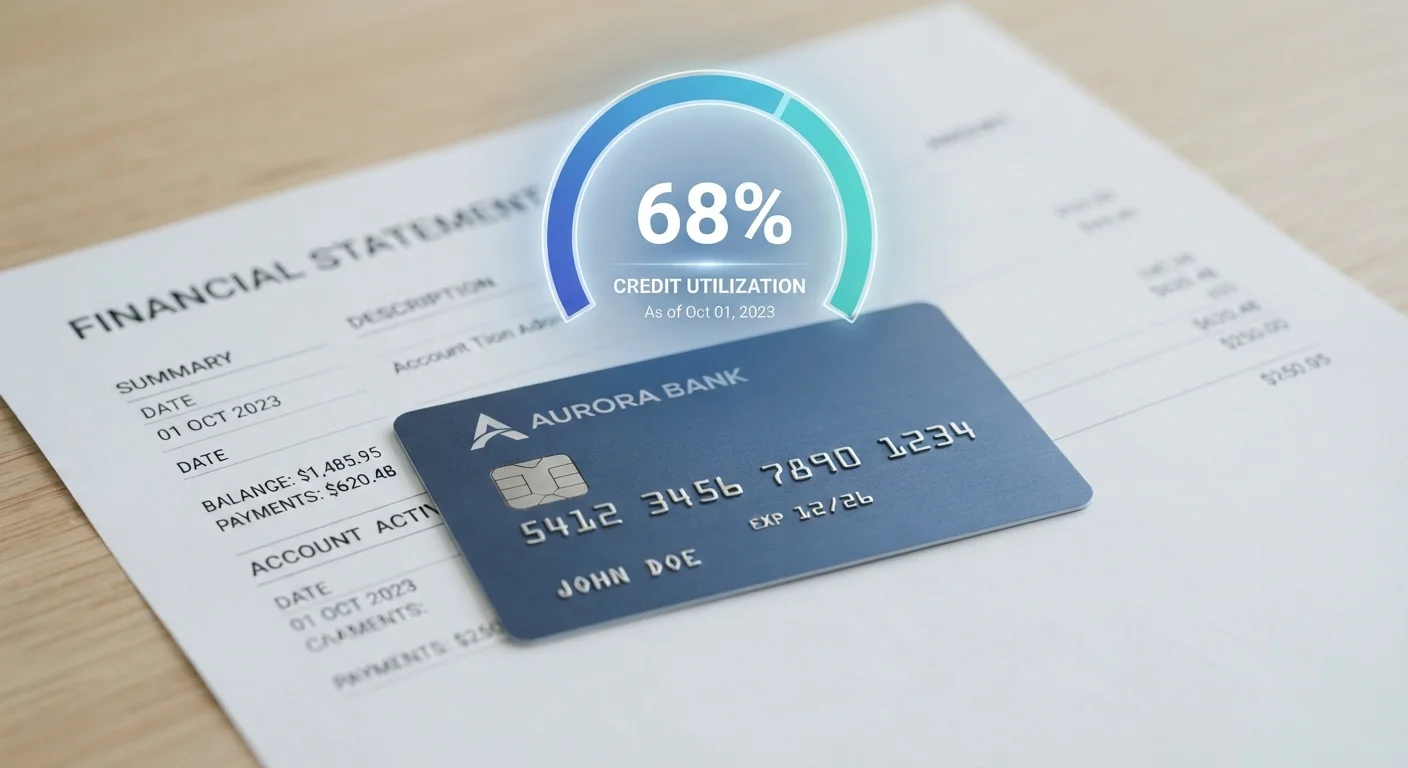
Credit utilization is straightforward in concept but meaningful in impact. It answers one question: of all the revolving credit available to you, how much are you currently using? Revolving credit — primarily credit cards and lines of credit — differs from installment loans (like mortgages or auto loans) because the balance fluctuates and you can borrow repeatedly up to a set limit.
The ratio is expressed as a percentage. If your Visa card has a $5,000 limit and you're carrying a $1,500 balance, that card's utilization is 30%. Across all your revolving accounts combined, the same math applies: total balances divided by total limits equals your aggregate utilization rate.
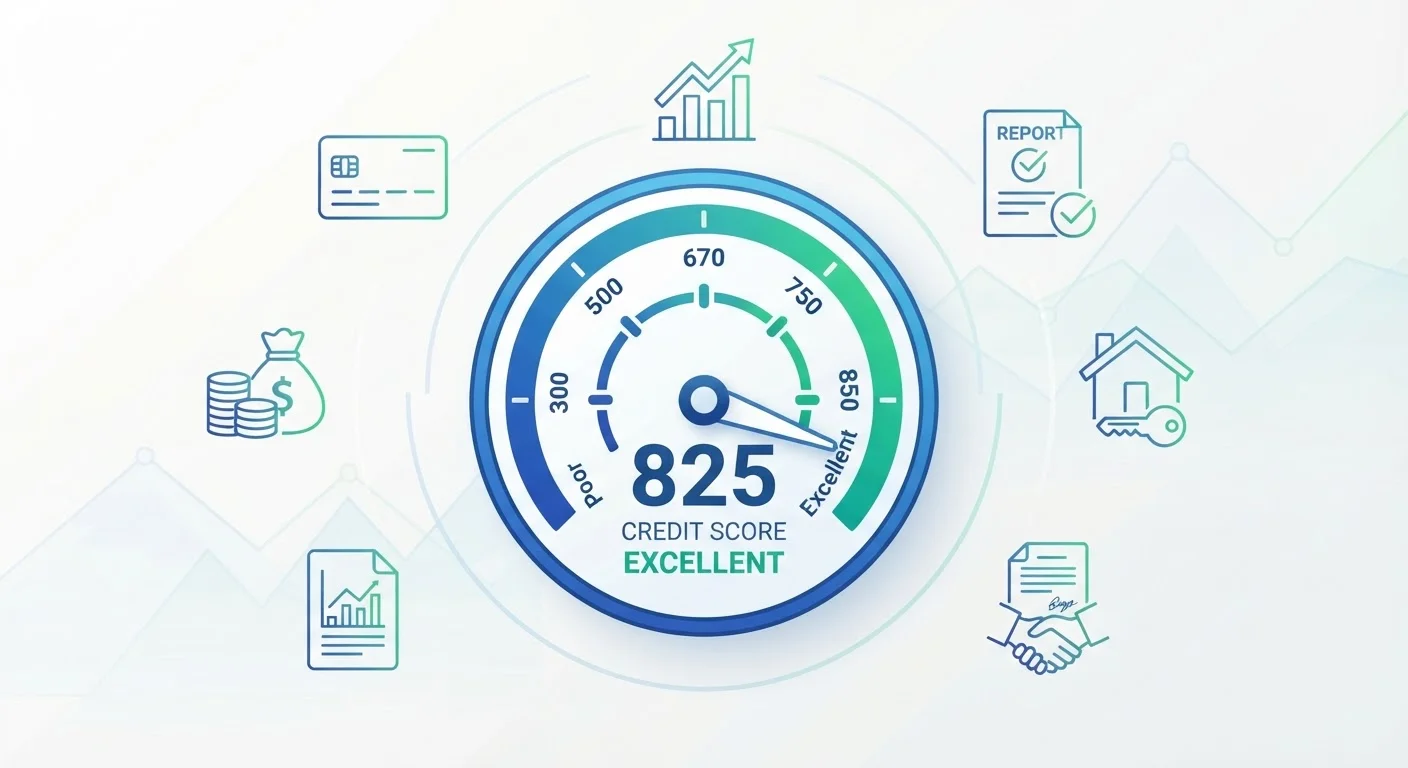
To understand where this fits in the broader picture of your financial profile, see our overview of how credit scores are calculated. Utilization falls under the "amounts owed" category, which accounts for roughly 30% of a FICO score — second only to payment history.
Utilization Applies Only to Revolving Credit
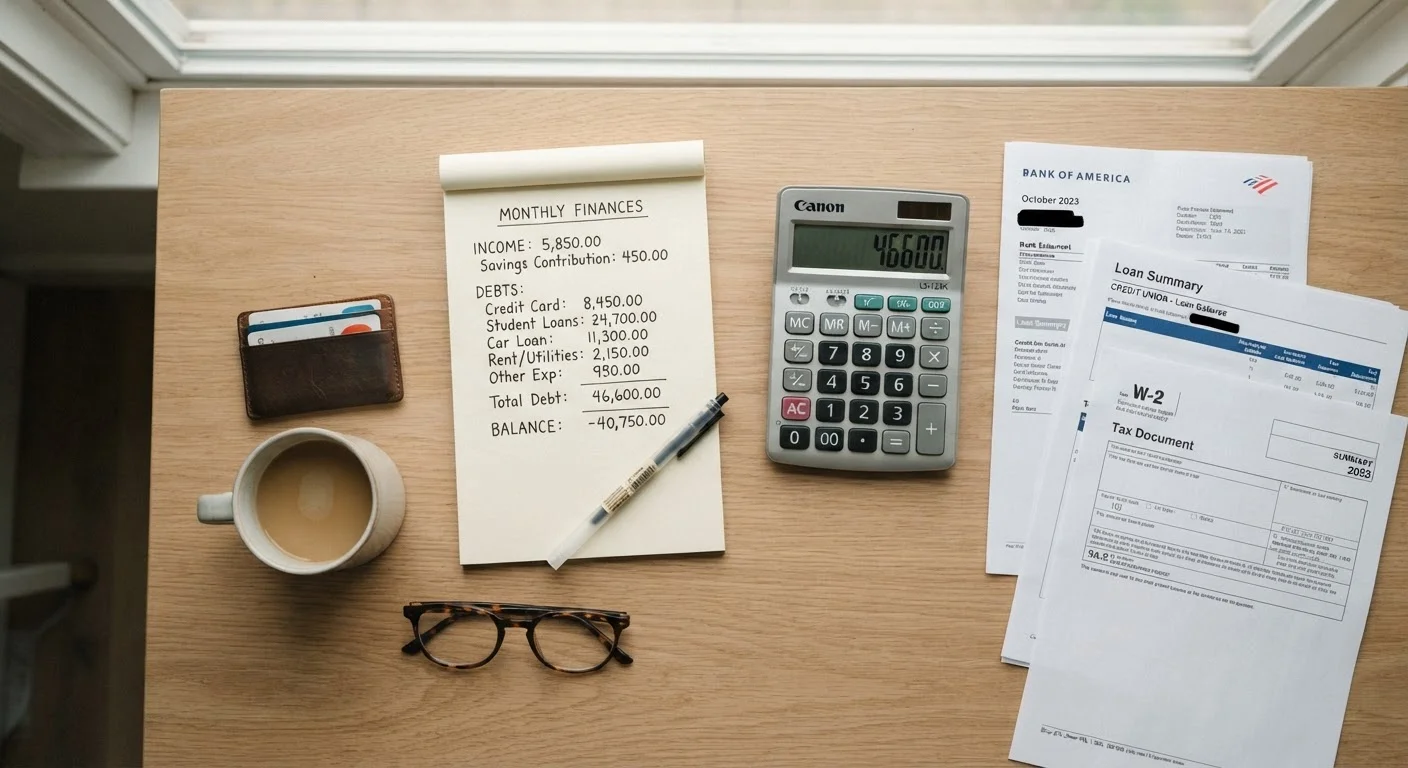
Installment loans — such as mortgages, auto loans, and student loans — are not included in your credit utilization ratio. Only revolving accounts like credit cards and personal lines of credit factor into this calculation. However, installment balances do affect the broader 'amounts owed' category in your score.
Why Lenders Care About This Number
From a lender's perspective, high utilization signals potential financial stress. A borrower consistently using 80% or 90% of available credit may be relying on credit to cover routine expenses — a pattern associated with higher default risk. Conversely, someone using a small fraction of available credit appears to have spending well within their means.
This logic is built into scoring models because it reflects real data: research on large populations of borrowers consistently shows a correlation between elevated utilization and increased likelihood of missed payments or default. That said, a single month of high utilization won't permanently damage your score. Unlike a late payment, utilization resets with each new reported balance.
It's worth distinguishing this metric from your debt-to-income ratio, which lenders also examine but which does not directly factor into credit scores. Utilization is credit-specific; debt-to-income is income-relative.
~30%
Share of FICO score tied to amounts owed
According to FICO's published score factor breakdown, 'amounts owed' — the category that includes utilization — is the second-largest component of a FICO score after payment history.
<10%
Utilization level among highest-scoring consumers
FICO data on high-scoring consumers (800+) consistently shows average revolving utilization rates well below 10%, illustrating the correlation between low utilization and top-tier scores.
30%
Commonly cited utilization guideline threshold
Credit counselors and financial educators widely reference 30% as a general benchmark, though lower utilization is associated with better score outcomes across scoring models.
Managing Utilization Effectively
The most direct way to improve your utilization ratio is to reduce revolving balances. Paying more than the minimum — or paying multiple times per billing cycle — lowers the balance your lender will report. If your statement typically closes on the 15th of each month, making a payment before that date means a lower balance gets reported to the bureaus.
A second lever is your available credit. Requesting a credit limit increase from an existing issuer can lower your ratio without requiring you to pay down any debt. This approach works best when spending habits stay constant — a higher limit only helps if the balance doesn't climb in tandem.
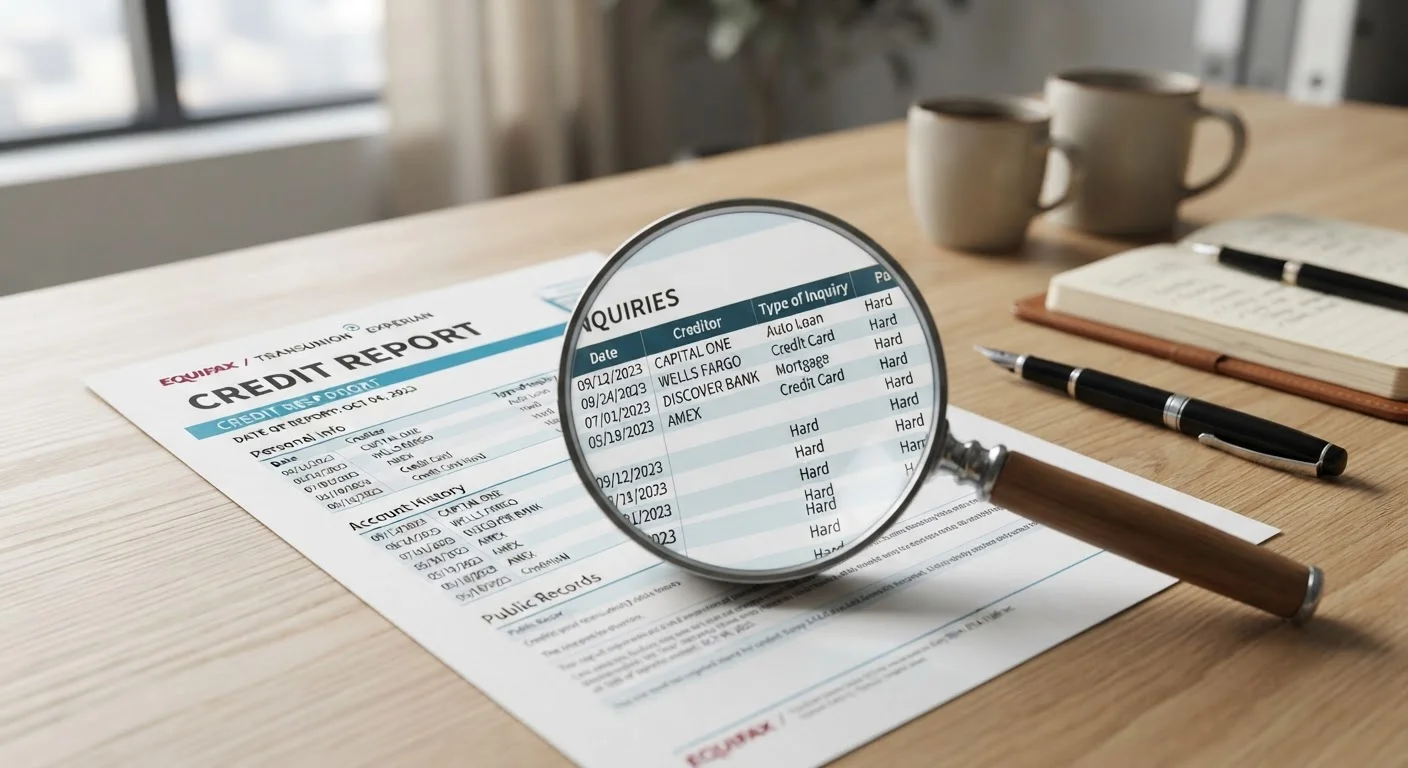
Opening a new credit card also expands total available credit, but it introduces a hard inquiry and lowers average account age, which can have their own score implications. Our article on hard vs. soft credit inquiries explains how those checks affect your score.
For ongoing habits that help keep balances manageable, see our guide to preventing credit card debt from spiraling. Consistent behavior matters more than periodic corrections.
Time Payments Around Statement Close Dates
Your issuer typically reports your balance to credit bureaus on or near your statement closing date — not your payment due date. If utilization is a concern, making a payment before the statement closes means a lower balance gets reported. Check your account details or call your issuer to confirm your statement close date.
Common Misconceptions About Utilization
One widespread belief is that carrying a small balance — rather than paying in full — helps build credit. This is a myth. Carrying a balance incurs interest and does not improve your utilization or payment history compared to paying in full. Our piece on common credit score myths addresses this and several similar misconceptions.
Another misunderstanding involves account closures. When you close a credit card, you lose that card's limit in your total available credit calculation. If you're carrying balances on other cards, your utilization ratio rises — sometimes substantially. Before closing an old account, it's worth calculating the impact on your overall ratio.
Finally, many consumers don't realize that utilization is snapshot-based. The bureaus see what your lender reports, typically at statement close. A week before your statement cuts, a temporarily high balance can look alarming in your score — even if you plan to pay it off immediately after. Timing your larger purchases and payments with this cycle in mind is a practical and often underused strategy.
This article is for general informational purposes only and does not constitute personalized financial or credit advice. Consult a licensed financial professional for guidance specific to your situation.