

What Your Brain Is Actually Doing When You Feel Stressed
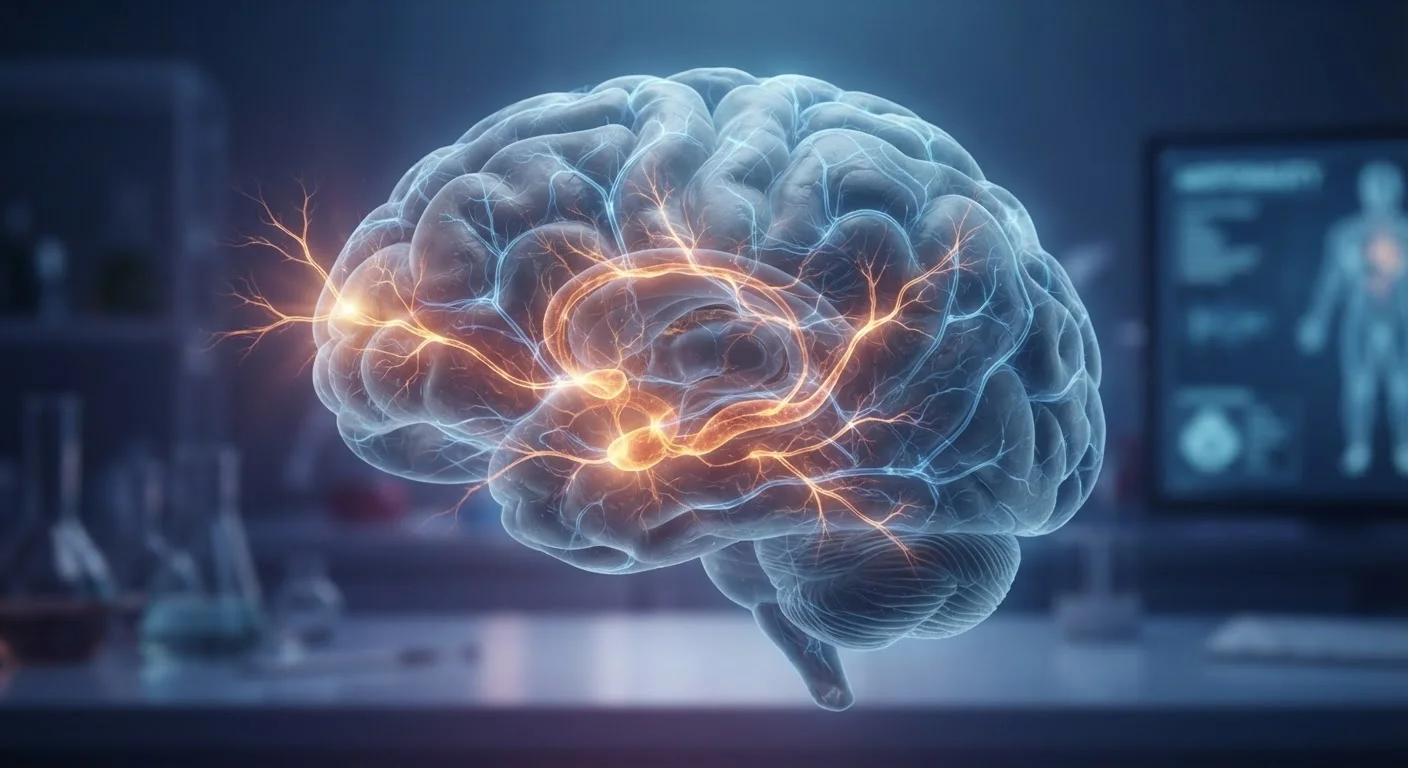
When your brain perceives a threat, a small almond-shaped structure called the amygdala fires an alarm signal almost instantly — faster than conscious thought. This triggers the hypothalamus to activate the sympathetic nervous system, releasing adrenaline (epinephrine) into the bloodstream within seconds. Heart rate climbs, breathing quickens, and muscles receive a surge of oxygen-rich blood.
Moments later, a second wave follows via the HPA axis, releasing cortisol from the adrenal glands. Cortisol sustains the alert state, temporarily suppressing functions the body deems non-essential — like digestion and immune activity — to redirect resources toward immediate survival.
This is the fight-or-flight response, and it is remarkably effective for short-term physical threats. The critical issue is that the amygdala responds to perceived threats, including social rejection, financial worry, or an overflowing inbox, with the same urgency it reserves for genuine physical danger.
“The brain doesn't distinguish well between a physical threat and a psychological one. The same ancient circuitry gets activated whether you're facing a predator or a difficult conversation.”
— Robert Sapolsky, Neuroendocrinologist and author of 'Why Zebras Don't Get Ulcers'
Why Some Moments Feel Unmanageable Even When the Threat Seems Small
Stress tolerance is not fixed. Several factors lower the threshold at which the amygdala fires:
- Sleep deprivation: Even one night of poor sleep amplifies amygdala reactivity, according to research published in peer-reviewed sleep and neuroscience journals.
- Allostatic load: This term describes the cumulative wear on the body from repeated stress. When your system is already carrying a heavy load, small additional stressors can feel disproportionately large.
- Isolation: Social disconnection measurably increases threat sensitivity. Research on social connection and mental health shows that loneliness has real neurological effects — it is not simply a feeling.
- Prior adversity: Early-life stress or trauma can alter HPA axis calibration, making some people more reactive to stressors throughout life.
Understanding these factors reframes the experience: feeling overwhelmed by something that seems objectively minor is not weakness — it is biology operating under compounded pressure.
~33%
U.S. adults reporting extreme stress
The American Psychological Association's Stress in America surveys have consistently found roughly one-third of U.S. adults report extreme stress levels.
2–3×
Increased amygdala reactivity after sleep loss
Studies in sleep neuroscience have found amygdala responses to negative stimuli can be two to three times greater after sleep deprivation compared to well-rested states.
~20%
Hippocampal volume reduction linked to chronic stress
Research in stress neuroscience has documented measurable reductions in hippocampal volume associated with prolonged elevated cortisol exposure.
The Cost of Chronic Stress on the Brain and Body
Occasional stress that resolves fully is a normal part of life. Chronic, sustained activation of the stress response is different. Prolonged elevated cortisol is associated with impaired memory consolidation, reduced volume in the hippocampus (the brain's key memory and learning center), disrupted immune function, and increased cardiovascular risk.
The prefrontal cortex — responsible for rational decision-making, impulse control, and putting emotions in context — is particularly sensitive to chronic stress. Sustained cortisol exposure can reduce its effectiveness, which explains why stressed people often describe difficulty thinking clearly or making decisions. The part of the brain designed to regulate the amygdala becomes less able to do its job.
This is not a permanent sentence. Evidence consistently shows that stress-regulating practices can support recovery and resilience. Daily mental wellness habits with evidence behind them offer a practical starting point for anyone looking to support their nervous system over time.
What Evidence-Based Tools Actually Target
Effective stress-management strategies work by interrupting or down-regulating the biological cascade described above — not simply by distracting you from it.
Controlled breathing is among the most studied techniques. Slow exhalation activates the parasympathetic nervous system (the "rest and digest" counterpart to fight-or-flight), directly opposing the stress response. This is not relaxation as a metaphor — it is measurable physiological down-regulation.
Regular aerobic exercise reduces baseline cortisol over time and promotes neuroplasticity in the hippocampus. Cognitive reappraisal — a core technique in cognitive behavioral therapy — helps the prefrontal cortex reassert influence over the amygdala by reframing the meaning of a stressor. Non-pharmacological approaches for anxiety covers several of these methods in detail.
A Simple Place to Start
If you want to begin down-regulating the stress response today, try a slow-exhale breathing exercise: inhale for 4 counts, exhale for 6–8 counts. Extending the exhale relative to the inhale is the key mechanism that engages the parasympathetic system. Even a few minutes done consistently can help. Consult a healthcare provider if you have any respiratory or cardiovascular conditions before starting new breathing practices.
This article is for general informational and educational purposes only and does not constitute medical advice. If stress is significantly affecting your daily functioning, please consult a qualified healthcare or mental health professional.