
Why Vet Anxiety Is So Common — and Worth Addressing
Fear at the veterinary clinic is not a personality flaw or a sign of a badly behaved pet. Clinics involve an accumulation of unfamiliar triggers: novel smells, the sounds of other animals, strangers handling sensitive areas, and often the memory of past discomfort. For cats especially, confinement and travel alone are significant stressors before the exam room is even reached.
Unmanaged anxiety doesn't just make visits unpleasant — it can compromise exam accuracy. A stressed pet may show elevated heart rate, altered breathing, and muscle tension that can mimic or mask genuine clinical signs. If your pet is new to veterinary care, the health and wellness primer for new pet owners covers foundational habits that make routine care easier from the start.
The good news is that anxiety at the vet is largely preventable when addressed proactively — and the steps don't require specialized equipment or significant time investment.
What you will need
What You'll Need Before You Start
Preparation for a low-stress vet visit begins days or weeks before the appointment, not in the parking lot. Gathering the right tools and building familiarity early is what separates a manageable visit from a distressing one.
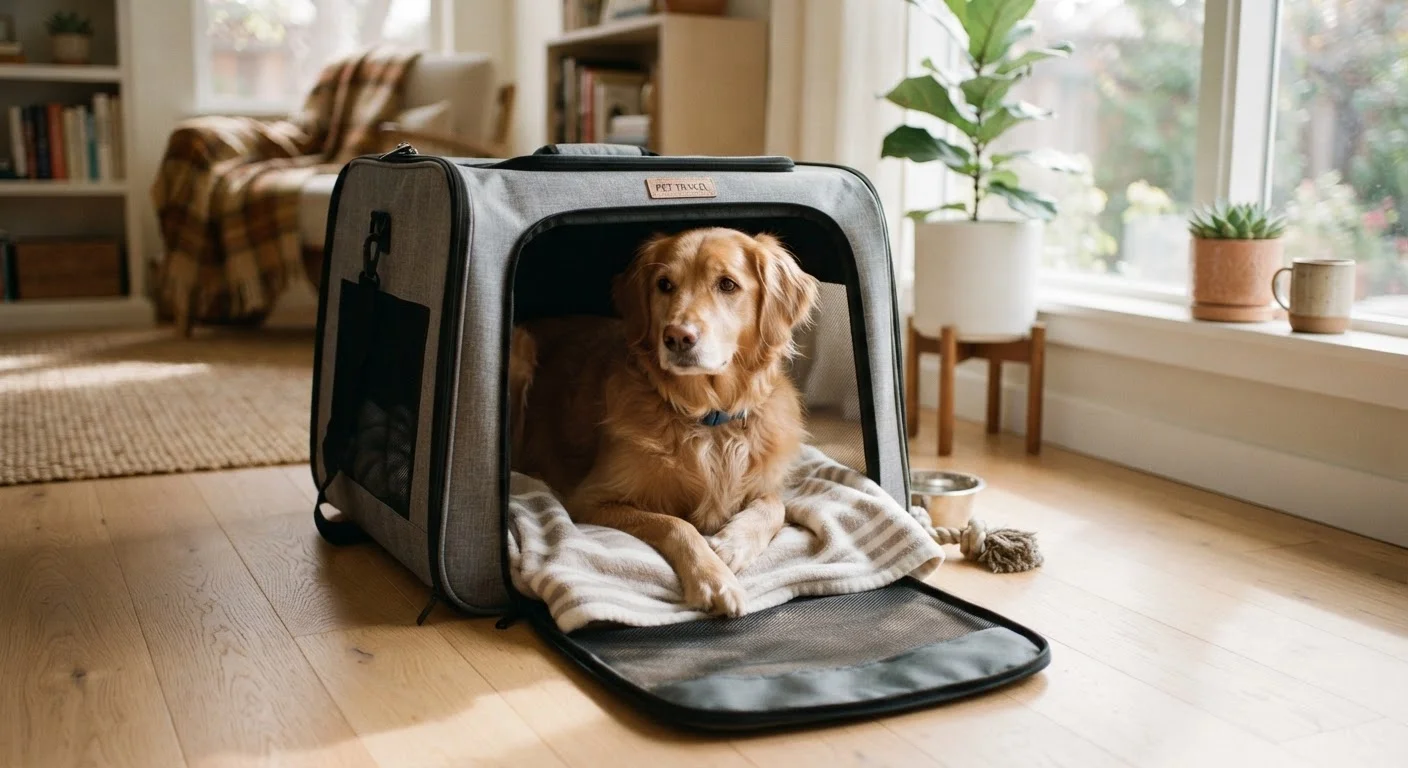
Pet Carrier
Provides a secure, familiar enclosure for transport and reduces environmental overwhelm during travel.
High-Value Treats
Used to create positive associations with the carrier, car, and clinic environment through reward-based conditioning.
Pheromone Spray (species-appropriate)
Synthetic calming pheromones (such as Adaptil for dogs or Feliway for cats) can be applied to the carrier to reduce anxiety signals.
Familiar Bedding or Clothing
A scent-marked item placed inside the carrier provides comfort cues during travel and at the clinic.
Ask About Fear-Free or Low-Stress Practices
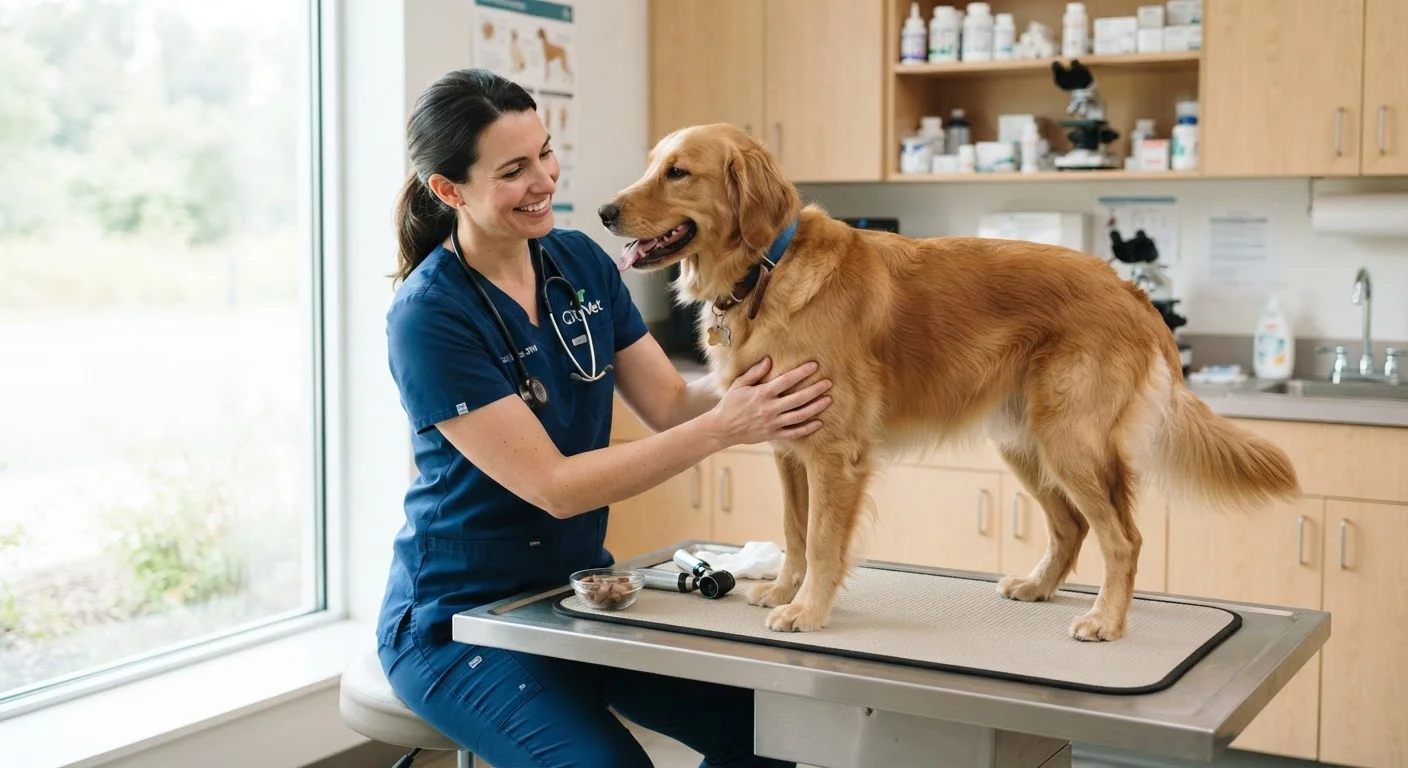
Many veterinary clinics have adopted Fear Free or Low Stress Handling protocols, which use specific techniques — like non-slip mats, calming pheromone diffusers, and minimal restraint — to reduce patient anxiety. When scheduling your appointment, ask whether the clinic incorporates these practices. If your pet is especially reactive, some clinics also offer separate waiting areas for cats and dogs.
Step-by-Step: Reducing Stress Before and During the Visit
The following steps build on each other — ideally, start the carrier and car-trip exercises at least a week before the appointment. Even with shorter notice, steps 3 through 6 can still make a meaningful difference on appointment day.
Introduce the Carrier as Everyday Furniture
At least one to two weeks before the appointment, place the carrier in a common area of your home with the door open. Leave familiar bedding or a worn t-shirt inside. Let your pet explore on their own terms — do not guide or push them in. Toss treats near the entrance and gradually move them further inside over several days.
Practice Short Car Trips Without a Destination
Once your pet enters the carrier willingly, take brief car rides — around the block and back — with no vet visit at the end. This disconnects the car from the anticipation of the clinic. Keep the cabin quiet, temperature comfortable, and reward calm behavior with calm praise and treats when you return home.
Withhold One Meal Before the Appointment
Unless your veterinarian has advised otherwise, skip the meal immediately before the visit. A mildly hungry pet is more food-motivated, which makes treat-based reinforcement during handling far more effective. Confirm this approach is appropriate for your specific pet — young animals, diabetic pets, or those with certain health conditions may require a different feeding schedule.
Apply Pheromone Spray to the Carrier
If using a species-appropriate calming pheromone product, spray the interior of the carrier 20–30 minutes before placing your pet inside — this allows the carrier to air out so the scent isn't overwhelming. Pheromone products are not a guaranteed solution, but some pets respond noticeably to them. Ask your vet whether this is appropriate for your animal.
Arrive Early and Communicate With Clinic Staff
Arriving 5–10 minutes early lets you check in and request accommodations — such as waiting in the car instead of the lobby, or being placed directly in an exam room. Let the front desk know your pet is anxious. Most clinics are accustomed to anxious patients and can adjust accordingly. Bring the health records and any notes about behavioral changes or concerns to share with the vet.
Reward Calm Behavior Throughout the Visit
Offer small treats during the exam when your pet is not reacting fearfully — never immediately after a fear response, as this can inadvertently reinforce the fear. After the visit, keep the tone low-key. A short calm walk or quiet play session at home helps your pet decompress before returning to routine.
Sedation Should Only Come From Your Vet
Some pets have severe anxiety that warrants anti-anxiety medication before a vet visit. Never administer human medications or supplements to your pet without explicit veterinary guidance — many are toxic to animals. If your pet shows extreme fear responses (trembling, aggression, inability to settle), discuss pre-visit medication options directly with your veterinarian.
Building Better Vet Habits Over Time
A single low-stress visit builds the foundation for the next one. Pets that visit the clinic only when sick associate it exclusively with feeling unwell. Preventive wellness visits — routine checkups when your pet is healthy — create more neutral or positive experiences and give your vet a baseline to compare against when something does go wrong.
Don't Force Your Pet Into the Carrier
Forcing a resistant pet into a carrier creates a negative association that compounds anxiety over time. If your pet refuses to enter voluntarily after several calm attempts, pause the session and try again later. Rushed carrier introductions can set back weeks of desensitization progress.
If your pet's anxiety is severe enough to make routine care genuinely difficult, that itself is a health conversation worth having with your vet. Behavioral interventions, referrals to veterinary behaviorists, or appropriately prescribed pre-visit medication are all legitimate tools — not last resorts. Explore the pet ownership hub for more guidance on building a sustainable, low-stress care routine for your animal.
This article provides general pet care information and is not a substitute for advice from a licensed veterinarian. Always consult your vet regarding your individual pet's health, behavior, or medical needs.