
What a Wellness Visit Actually Covers
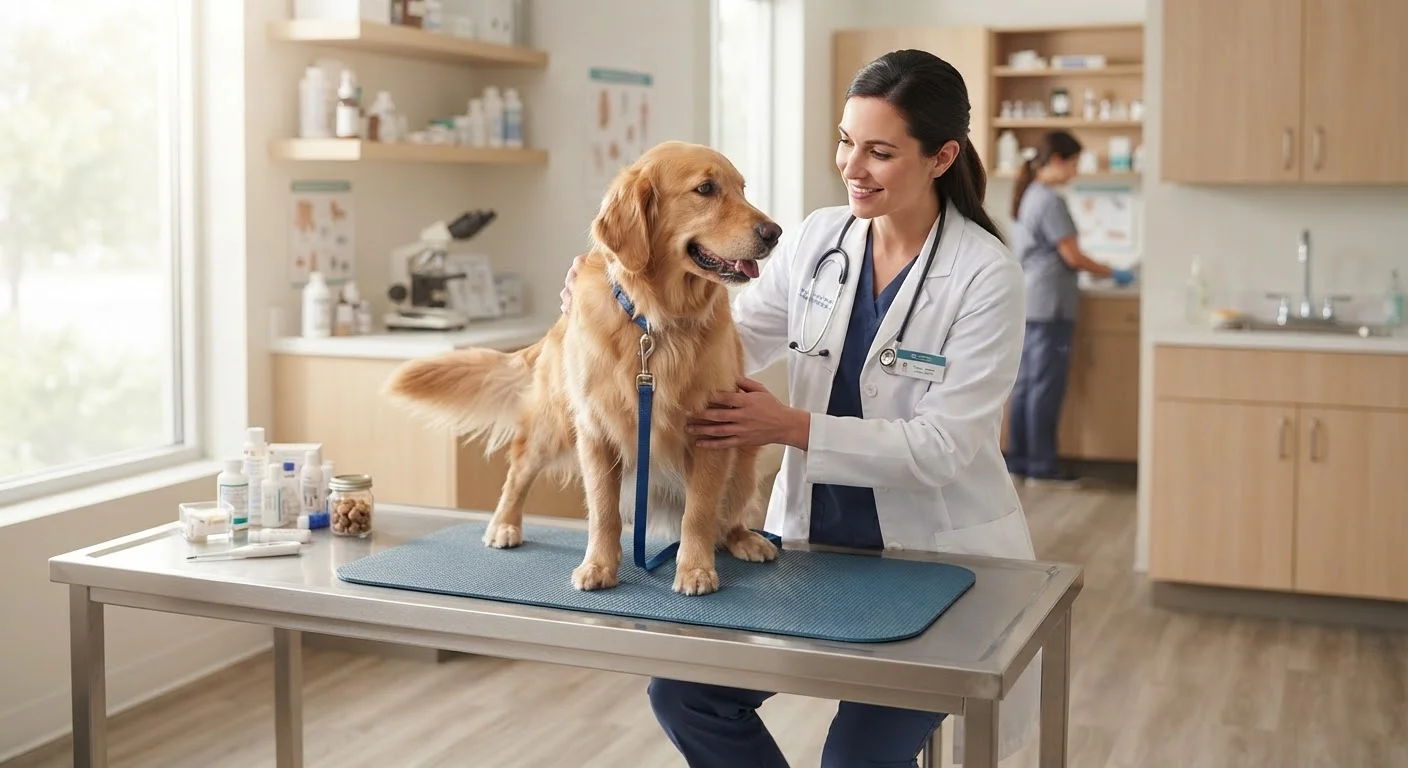
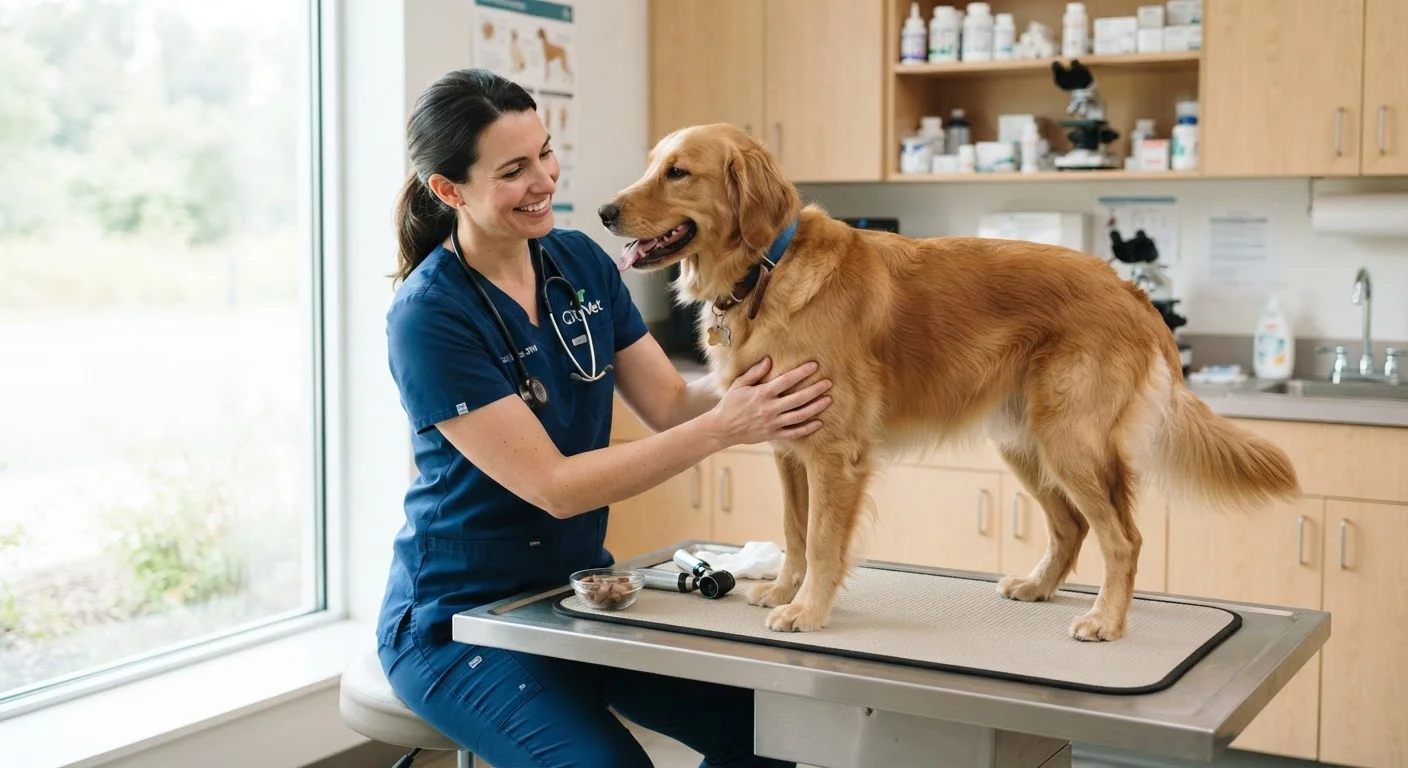
A wellness visit — also called a preventive or routine exam — isn't just a quick weigh-in and a shot. A thorough wellness exam typically includes a head-to-tail physical assessment: the veterinarian checks eyes, ears, teeth, skin, coat, lymph nodes, heart, lungs, abdomen, and musculoskeletal condition. Many practices also collect weight trends over time, review diet and behavior changes, and screen for parasites.
Depending on your pet's age and species, the visit may include blood work, urinalysis, or fecal testing to catch internal issues not visible during a physical exam. Vaccinations are updated as needed based on exposure risk and local disease prevalence. This combination of direct examination and diagnostic screening is what separates wellness care from the reactive approach of treating problems only after symptoms appear.
For a detailed breakdown of what veterinarians assess during these appointments, see what actually happens at annual vet visits.
The Case for Preventive Care
Detects disease before symptoms become visible
Conditions like early kidney disease or heart murmurs are often identifiable through examination or lab work well before a pet shows outward signs of illness, expanding treatment options significantly.
Establishes a documented health baseline
Repeated exams create a longitudinal record of weight, bloodwork, and physical findings — making it easier for veterinarians to identify meaningful changes year over year.
Generally less costly than emergency treatment
Catching a condition at an early, manageable stage typically involves less intensive — and less expensive — treatment than addressing the same condition after it has progressed or caused complications.
Keeps vaccinations and parasite prevention current
Core vaccines and preventive medications are reviewed and updated at wellness visits, reducing the risk of preventable infectious diseases and parasite-related illness.
Builds a trusted relationship with a veterinarian
A vet who has examined your pet regularly is better equipped to make sound clinical decisions quickly in an urgent situation, because they already know that animal's normal parameters.
Early detection is the central argument for routine wellness visits. Many common conditions — dental disease, kidney disease, heart murmurs, early-stage diabetes, and thyroid dysfunction — develop gradually and may not produce obvious symptoms until they are well advanced. A veterinarian examining your pet every 12 months (or more frequently for seniors) can identify subtle changes in organ function, body weight, or physical structure that an owner at home is unlikely to notice.
Pets also have a biological tendency to conceal discomfort, a trait inherited from prey-animal ancestors and observed in domesticated species. This makes owner-only monitoring an incomplete safety net. Regular professional assessment provides an independent, trained perspective.
Parasite prevention is another area where proactive care pays off — year-round parasite prevention discussed at wellness visits keeps conditions like heartworm disease from reaching treatable-but-expensive stages.
~2/3
Pet owners who visit only when the animal is ill
The American Veterinary Medical Association has consistently noted that a substantial share of pet owners forgo routine exams in favor of reactive care only when problems arise.
85%
Dogs over age 3 with some degree of dental disease
According to the American Veterinary Dental College, periodontal disease is among the most common conditions found during routine wellness exams in adult dogs — and is largely preventable with early intervention.
Honest Drawbacks to Consider
Upfront cost with no guaranteed finding
Owners pay exam fees and diagnostic costs even when results are entirely normal, which can feel like spending money with no tangible outcome — particularly for budget-conscious households.
Scheduling demands time and transportation
Coordinating appointments around work schedules, arranging pet transport, and waiting at a clinic requires consistent effort that some owners find difficult to sustain annually.
Some pets experience significant clinic stress
For animals with high veterinary anxiety, the visit itself can cause notable distress. While this can often be managed, it remains a genuine consideration that takes planning to address.
Access is uneven in rural or underserved areas
Veterinary clinics are not uniformly distributed, and some pet owners face long travel distances or limited appointment availability that makes routine visits logistically difficult.
The most common barrier is cost. Wellness exams carry out-of-pocket fees even when the pet appears healthy, which can feel hard to justify on a tight budget. For multi-pet households, the cumulative annual expense is significant. Pet insurance plans that include wellness coverage can offset some of this, though policies vary widely — consult a licensed insurance professional and read policy documents carefully before selecting coverage.
Scheduling and transportation can also be genuinely difficult, particularly for owners without reliable transport, pets with severe clinic anxiety, or those in rural areas with limited veterinary access. Some pets find the clinical environment stressful enough that the visit itself requires advance preparation. The guide to stress-free vet visits offers practical strategies for reducing that anxiety before and during appointments.
A Note on Veterinary Access and Costs
Veterinary care costs vary considerably by region, practice type, and the services included in a given visit. If upfront costs are a concern, ask your veterinarian's office about payment plans or whether a scaled exam — covering core assessments without optional add-ons — is available. Low-cost wellness clinics operated by humane societies and veterinary schools also exist in many areas. This article provides general information only; consult a licensed veterinarian to understand what care is appropriate for your pet.
How Visit Frequency Should Change Over a Pet's Life
A healthy adult dog or cat typically benefits from one wellness exam per year. Puppies and kittens need more frequent visits during their first year to complete vaccination series and monitor rapid development. Senior pets — generally considered those seven years and older, though this varies by species and size — benefit from visits every six months because age-related conditions can progress quickly.
Pets managing chronic conditions such as diabetes, arthritis, or kidney disease may need more frequent monitoring regardless of age. Your veterinarian is best positioned to recommend a schedule based on your specific animal's history and risk factors.
If you have a new pet, the health and wellness primer for new pet owners covers how to approach that first year of veterinary care. For older animals, senior pet care considerations explains how screening and visit frequency shift as animals age.
This article provides general pet health information and education. It is not a substitute for professional veterinary advice, diagnosis, or treatment. Always consult a licensed veterinarian regarding your pet's specific health needs.