

What a Home Inspection Actually Is
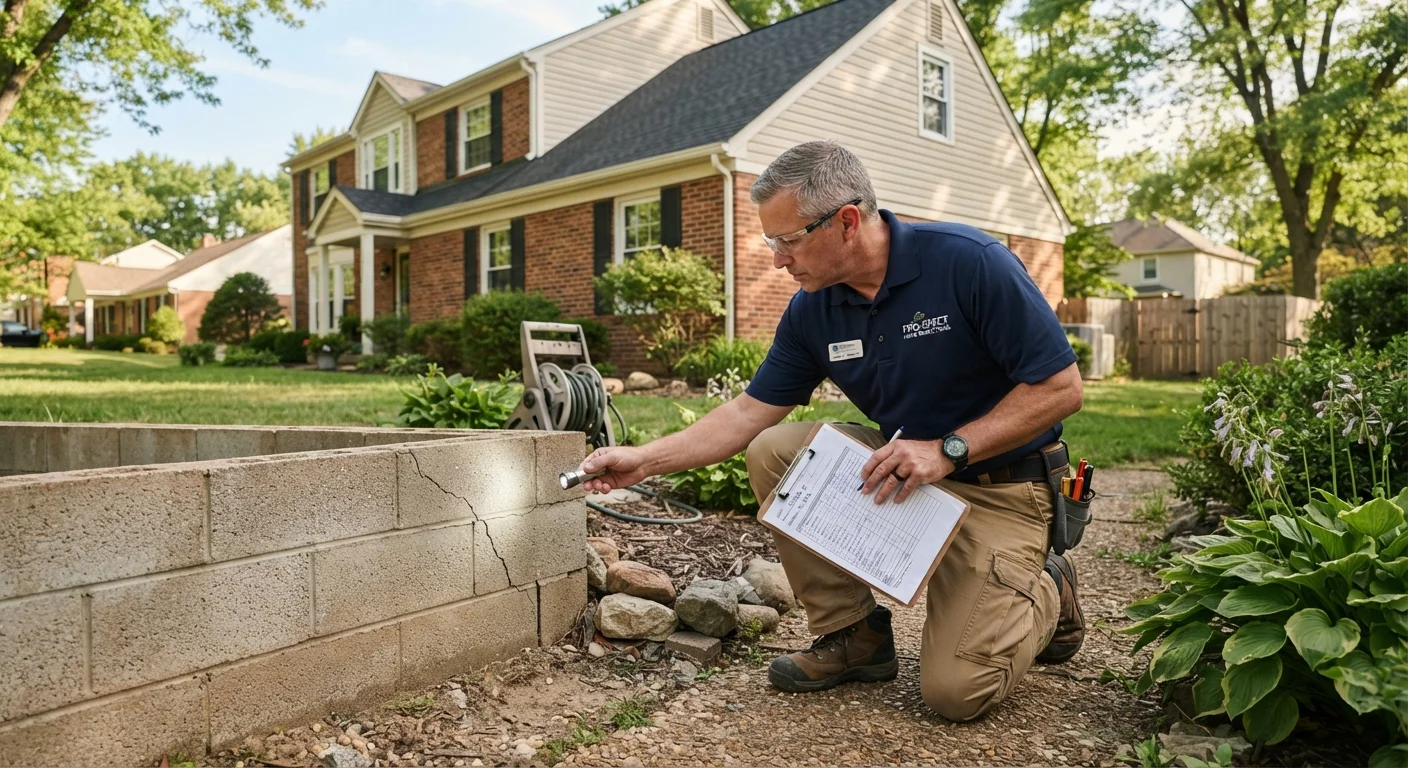
A home inspection is a visual, non-invasive examination of a property's major systems and structural components, conducted by a licensed or certified inspector. It is typically ordered by a buyer after a purchase agreement is signed and before closing. The resulting written report gives buyers a clearer picture of the property's current condition — not a guarantee of its future performance.
Inspections generally take two to four hours for an average single-family home. Most purchase contracts include an inspection contingency, allowing buyers to negotiate repairs, request credits, or, in some cases, exit the deal based on findings. For context on what to evaluate before you even reach the inspection stage, see what first-time buyers often overlook in a listing.
| Typical inspection duration | 2–4 hours for an average single-family home |
| Who pays for the inspection | Generally the buyer, at the time of inspection |
| Inspector certification bodies (US) | ASHI (American Society of Home Inspectors), InterNACHI |
| Report format | Written narrative with photos, typically delivered within 24 hours |
| Inspection contingency window | Usually 7–14 days after contract execution (varies by agreement) |
What Inspectors Typically Evaluate
While inspection scope can vary by state and inspector certification, most follow standards published by organizations such as the American Society of Home Inspectors (ASHI) or the International Association of Certified Home Inspectors (InterNACHI). Covered systems typically include:
- Structural components: Foundation, framing, floors, walls, ceilings, and roof structure
- Roofing: Visible roof covering, gutters, downspouts, and flashings
- Exterior: Siding, trim, driveways, walkways, grading, and drainage
- Plumbing: Visible supply and drain lines, water heater, fixtures, and functional flow
- Electrical: Service panel, visible wiring, outlets, switches, and GFCI protection
- HVAC: Heating and cooling equipment, ductwork, and thermostat function
- Insulation and ventilation: Attic insulation, vapor barriers, and ventilation adequacy
- Interior: Doors, windows, stairs, railings, and visible surfaces
- Fireplace and chimney: Visible firebox, damper, and exterior chimney condition
Home Inspection
A visual, non-invasive assessment of a property's accessible systems and components, conducted by a trained inspector. It produces a written report but does not constitute a warranty or code-compliance certification.
Inspection Contingency
A clause in a purchase agreement that gives the buyer the right to have the home inspected and to negotiate, request repairs, or withdraw from the contract based on the findings within a set timeframe.
GFCI Protection
Ground Fault Circuit Interrupter outlets or breakers that shut off power within milliseconds of detecting an electrical fault. Required by building codes in kitchens, bathrooms, garages, and outdoor areas.
Radon Testing
A specialized environmental test that measures radon gas levels in a home. Radon is a naturally occurring radioactive gas that can accumulate indoors and is not covered by a standard home inspection.
Specialty Inspection
An inspection focused on a single system or hazard — such as pests, mold, septic, or radon — performed by a licensed specialist separate from the general home inspector.
What Falls Outside the Standard Inspection
Understanding the inspection's limits is just as important as knowing what it covers. A standard report does not include:
- Concealed or inaccessible areas: Inside walls, beneath flooring, or under insulation
- Pest and wood-destroying organism inspections: These require a separate, licensed pest inspector
- Environmental hazards: Radon, mold, asbestos, lead paint, and underground storage tanks are outside standard scope and require specialized testing
- Swimming pools and detached structures: Often excluded unless specifically added
- Septic systems and private wells: Typically require dedicated inspections
- Sprinkler systems and low-voltage electronics: Usually not evaluated
- Code compliance: Inspectors assess current condition, not whether past work was permitted
Specialty Inspections Are Separate Engagements
Radon testing, mold assessments, pest inspections, and septic evaluations are not performed by a general home inspector and require hiring licensed specialists. Each carries its own cost and timeline. Buyers should factor these into their due-diligence budget, particularly for older homes or properties in regions with known environmental concerns.
Because specialty inspections carry additional cost, buyers should prioritize add-ons based on property age, geography, and disclosed history. A home near a former industrial site, for example, warrants more environmental due diligence than one in a newer subdivision.
Using the Report Effectively
An inspection report is a condition snapshot, not a repair mandate. Inspectors note deficiencies ranging from minor maintenance items to significant safety concerns. Buyers and their agents typically distinguish between issues worth negotiating and those that are cosmetic or expected for a home's age.
Major findings — such as a failing roof, foundation cracks, or outdated electrical panels — often become the basis for repair requests or price adjustments. Cosmetic items, like surface scratches or worn caulking, rarely move negotiations. Reading the report critically, ideally with the inspector present or available for questions, helps buyers make informed decisions rather than reactive ones.
For buyers still in the listing-review phase, this pre-tour listing checklist can help you identify red flags before scheduling a showing — potentially saving time before an inspection is even ordered.
This article is for general informational purposes only and does not constitute legal, financial, or real estate advice. Inspection standards and requirements vary by state and locality. Consult a licensed real estate professional and qualified home inspector for guidance specific to your transaction.