
What Defines Each Listing Type
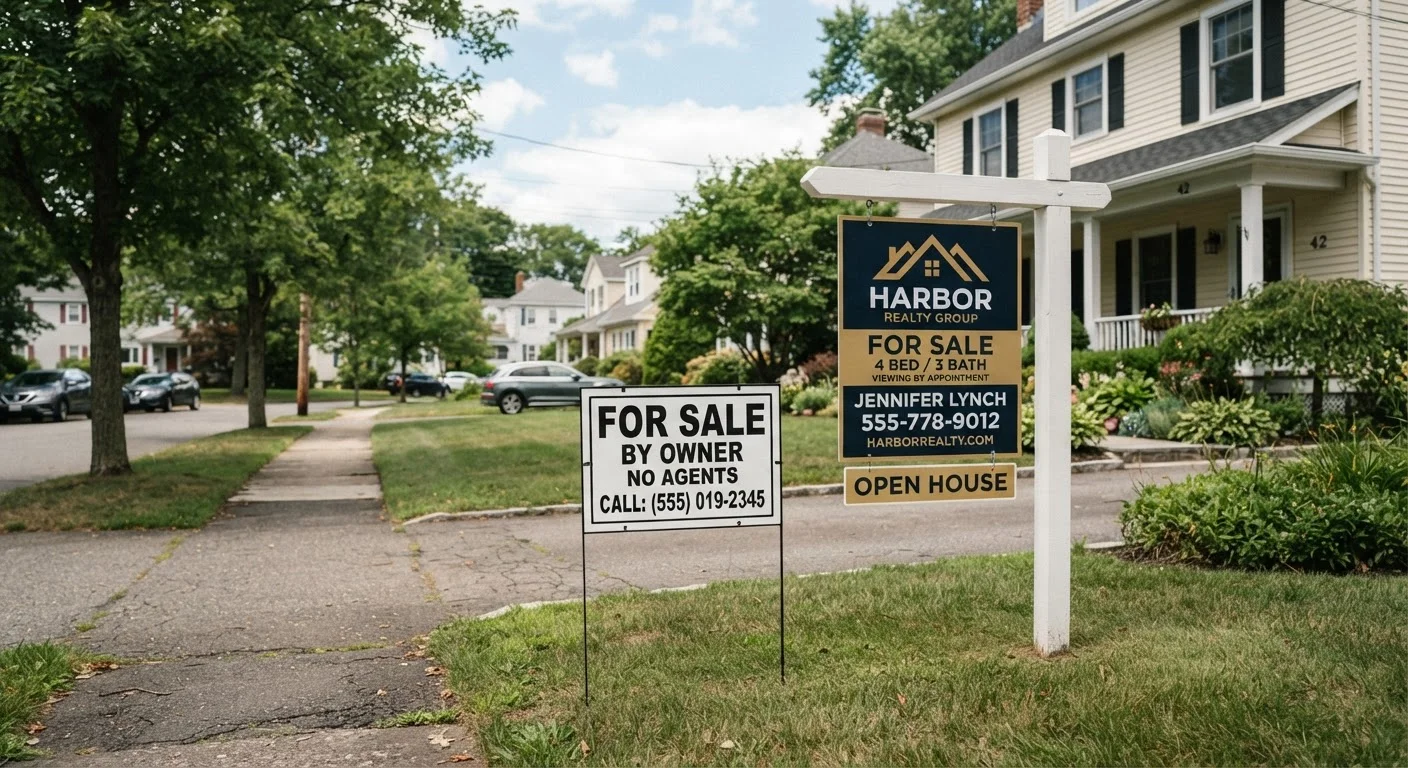
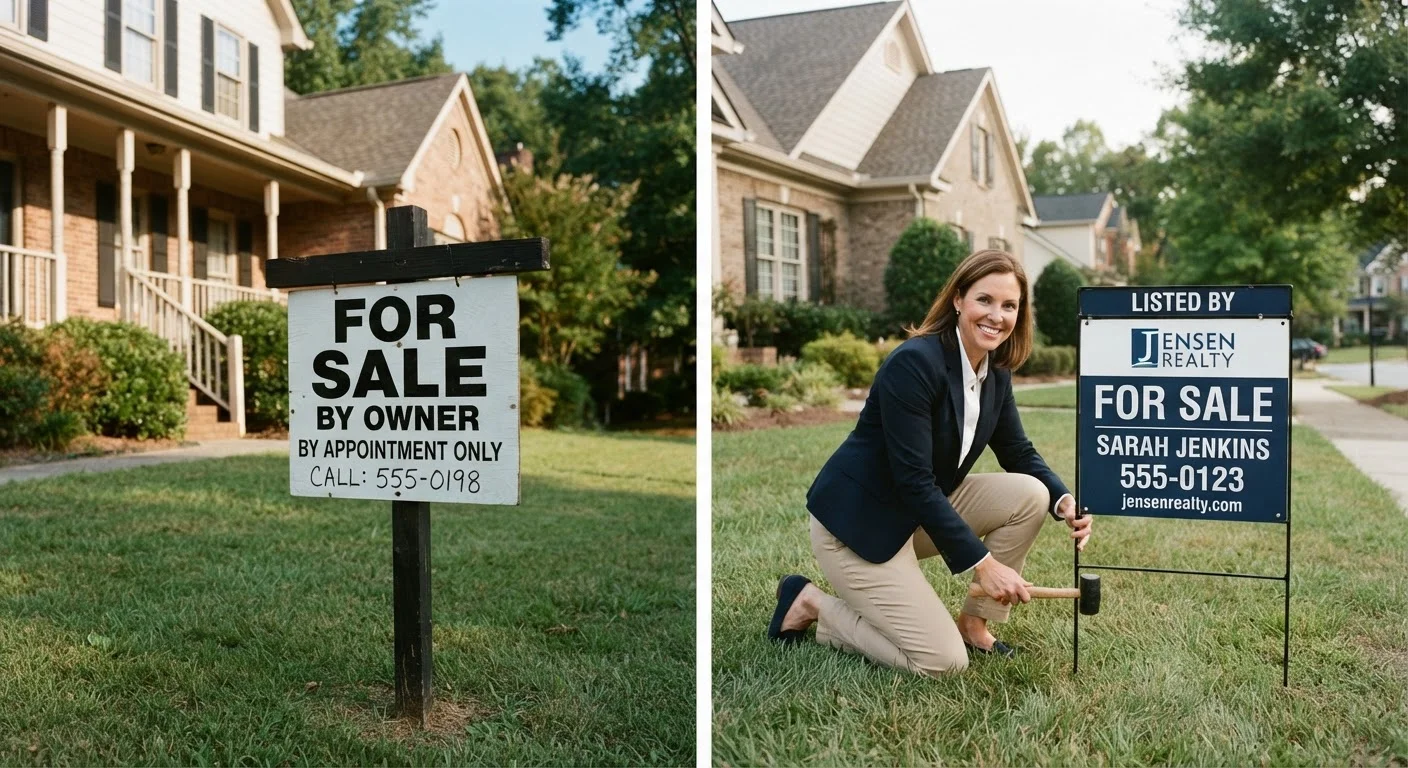
A For Sale by Owner (FSBO) listing is a property marketed directly by the homeowner without a listing agent. The seller assumes responsibility for pricing, photography, advertising, showings, negotiations, and contract paperwork. FSBO properties may appear on dedicated platforms, social media, or — if the seller pays a flat fee — the Multiple Listing Service (MLS).
An agent-listed property is represented by a licensed real estate professional who enters a formal listing agreement with the seller. The agent handles MLS entry, marketing materials, buyer inquiries, offer management, and coordinates with attorneys, inspectors, and title companies through closing. The seller pays a commission — typically split between the listing agent and the buyer's agent — upon a successful sale.
Understanding who represents whom in any transaction matters. For a deeper look at how agent roles are divided, see buyer's agent vs. listing agent.
| Criterion | FSBO | Agent-Listed |
|---|---|---|
| Listing agent commission | None | Typically 2.5–3% of sale price |
| MLS access | Requires separate flat-fee payment | Included automatically |
| Marketing support | Seller manages all marketing | Agent handles photography, listings, outreach |
| Contract and negotiation help | Seller's responsibility | Agent leads on behalf of seller |
| Disclosure guidance | Seller must self-navigate | Agent guides compliance |
| Legal risk exposure | Higher without professional oversight | Reduced through agent and brokerage oversight |
| Buyer agent commission | May still be owed | Standard, negotiated at listing |
Cost, Exposure, and the Commission Question
The most visible difference between FSBO and agent-listed properties is commission. Sellers who list with an agent typically pay a total commission ranging from 5% to 6% of the sale price, though this varies by market, negotiation, and the specific brokerage arrangement. FSBO eliminates the listing agent's portion of that fee, but sellers may still owe a buyer's agent commission if the buyer is represented.
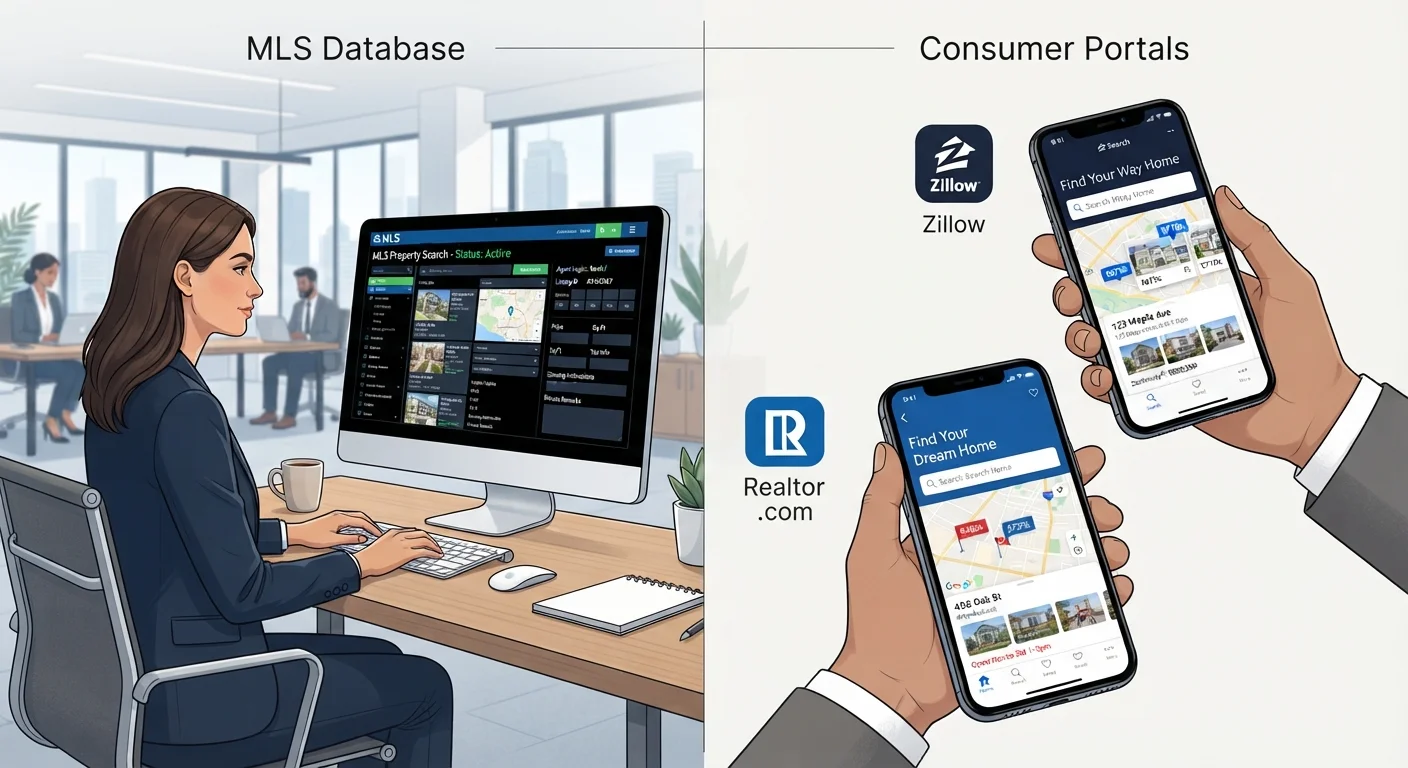
Market exposure is a meaningful trade-off. Agent-listed properties automatically enter the MLS, which feeds data to major aggregator sites. FSBO sellers who do not pay for MLS access may miss a significant share of buyer searches. For context on how listing data flows across platforms, see where real estate listings actually come from.
~7%
Share of U.S. home sales that are FSBO
According to the National Association of Realtors' 2023 Profile of Home Buyers and Sellers, FSBO transactions represent a small and declining share of total home sales.
~$100K
Median sale price gap: FSBO vs. agent-listed
The same NAR report found that agent-assisted homes had a significantly higher median sale price than FSBO homes, though differences in home type and market also influence this figure.
Sellers weighing a middle path — paying for MLS access without full-service representation — can review flat-fee MLS vs. full-service listing for a detailed comparison of that model.
Legal Disclosures, Contracts, and Risk
State law governs seller disclosure requirements regardless of whether the property is agent-listed or FSBO. Sellers must typically disclose known material defects — structural issues, water damage history, known environmental hazards — and failure to do so can result in legal liability after closing. Agents are trained to guide sellers through these requirements; FSBO sellers carry that responsibility alone.
Contract management is another area where the gap becomes apparent. Purchase agreements in real estate are legally binding documents that address contingencies, earnest money, inspection rights, and closing timelines. Errors or omissions can delay closings or expose parties to liability. FSBO sellers are strongly advised to work with a real estate attorney. First-time sellers often underestimate how complex disclosure and contract requirements can be.
This article provides general real estate information and is not legal or financial advice. Consult a licensed real estate attorney or qualified professional for guidance specific to your situation and jurisdiction.
Dual Agency Can Arise in FSBO Deals Too
If a buyer's agent brings an offer on a FSBO property and then helps facilitate the transaction on both sides, questions of representation can become complicated. Sellers and buyers should clarify representation arrangements in writing before proceeding. For a full explanation, see the overview of dual agency in real estate.
What Buyers Should Know About Each Listing Type
Buyers encountering a FSBO property should conduct the same due diligence they would for any purchase: independent inspection, title search, and careful review of all disclosures. Because there is no listing agent structuring the transaction, buyers benefit from having their own representation. A buyer's agent typically costs the buyer nothing directly — their commission is usually paid by the seller — and provides negotiation support and transaction coordination.
Buyers should also pay attention to listing status as a property moves through the market. Understanding listing status terms like active, pending, and contingent helps buyers assess timing and competition accurately.
New buyers in particular should review details that first-time buyers often overlook in any listing, from HOA rules to flood zone designations, whether the property is FSBO or agent-listed.