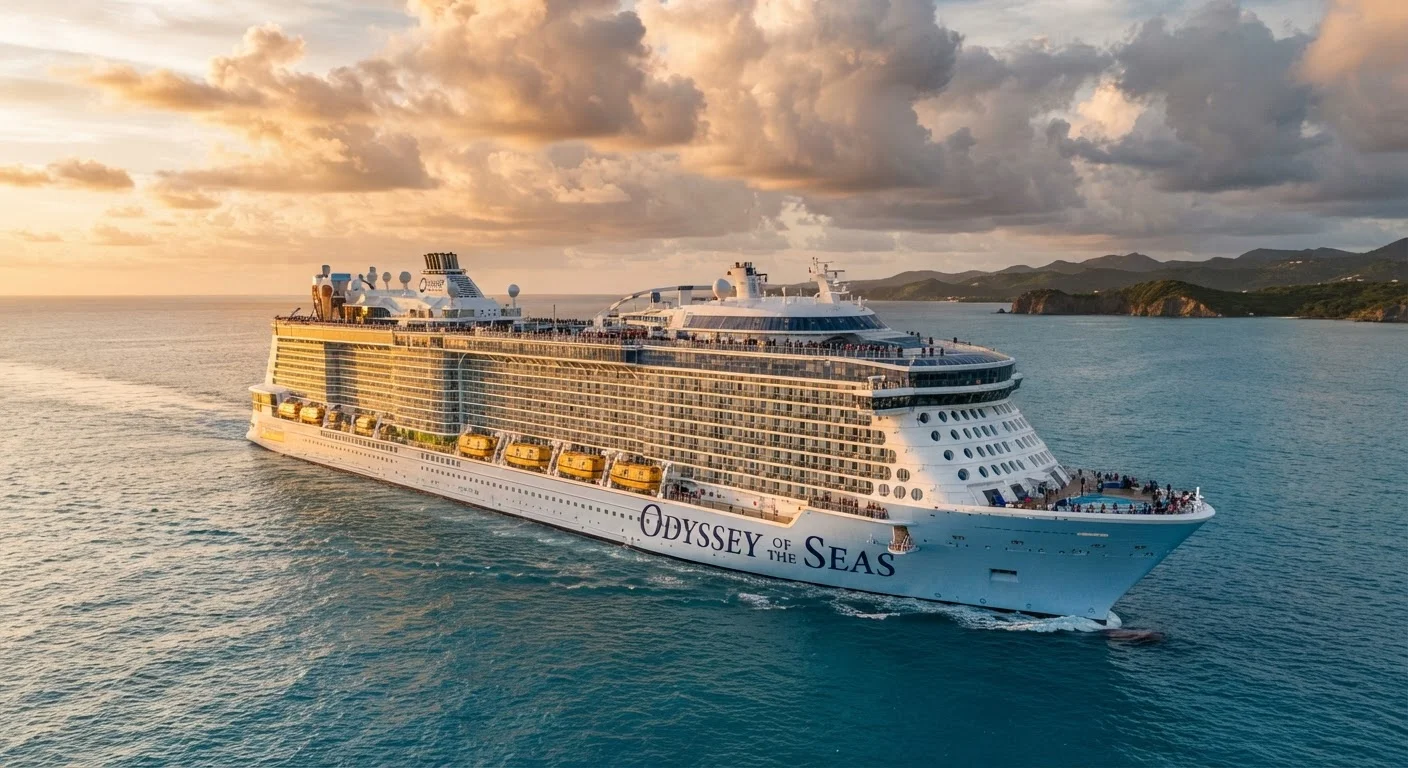


Why Chronic Conditions Require Extra Planning at Sea
Ocean travel offers genuine appeal for people managing chronic health conditions — predictable schedules, no daily packing, and controlled environments. But the same features that make cruising comfortable can create unexpected complications when a medical situation arises. Ships operate far from shoreside hospitals, and the quality of onboard medical facilities varies considerably between vessels.
The checklist below is designed to help passengers with ongoing health conditions — whether cardiovascular disease, diabetes, autoimmune disorders, respiratory conditions, or mobility impairments — prepare systematically before they sail. It is organized into planning phases and should be worked through alongside your own healthcare team. This article is for general informational purposes and is not a substitute for personalized medical advice from a qualified professional.
The type of ship you choose also matters. Expedition cruises and traditional ocean cruises operate in fundamentally different environments — remote polar or jungle itineraries place passengers much farther from emergency care than Caribbean or Mediterranean routes. Understanding that distinction early shapes every other decision.
Medical Consultation (6–8 Weeks Before Departure)
Medication and Equipment Preparation
Onboard Medical Facility Research
Accessibility and Physical Logistics
Medical Consultations and Documentation
The single most consequential step any traveler with a chronic condition can take is scheduling a dedicated pre-cruise appointment with their primary care physician or specialist — not a rushed question tagged onto a routine visit. Bring the cruise line's medical questionnaire if one exists, your full itinerary, and a list of all current medications with dosages.
Documentation is equally important. Customs agencies in many countries require written proof of medical necessity for controlled substances and certain injectables. Some cruise lines ask passengers with significant health conditions to obtain physician clearance before boarding, and failing to have paperwork in order can result in denied boarding. Verify the specific requirements of every port country on your itinerary — entry regulations vary and can change.
Denied Boarding Is a Real Risk
Some cruise lines reserve the right to deny boarding to passengers whose medical conditions they determine could not be safely managed on that voyage. This determination is typically made at the pier, not before departure. To reduce this risk, disclose your condition honestly when booking, complete any required health questionnaires thoroughly, and obtain physician clearance documentation in advance. Surprises at embarkation are rarely resolved in the passenger's favor.
When it comes to insurance, standard travel policies frequently exclude pre-existing conditions unless a waiver is purchased within a defined window after initial trip deposit. Cruise-specific travel insurance addresses scenarios — medical evacuation by helicopter or tender vessel, for instance — that general policies may not cover at all. Review policy language carefully, and consult a licensed insurance professional about your particular situation before purchasing.
Onboard Medical Facilities: What to Realistically Expect
Most large ocean cruise ships maintain an onboard medical center staffed by at least one physician and several nurses. These facilities are typically equipped to handle stabilization, common illnesses, fractures, and cardiac events at a basic level — but they are not hospitals. Advanced imaging, surgical suites, and specialist consultations are generally unavailable. Smaller ships, including expedition vessels, may carry only a nurse or a physician's assistant.
Passengers should request specific information from the cruise line about the medical staffing and equipment on their assigned vessel before booking. Ask whether dialysis services are available if relevant, whether refrigeration for insulin or biologics is assured, and what the evacuation protocol is for the specific itinerary. This information is rarely volunteered proactively.
Onboard Medical Care Has Real Limits
Cruise ship medical centers are stabilization facilities, not hospitals. They generally cannot perform surgery, provide specialist consultations, or offer extended critical care. Passengers with conditions that could rapidly deteriorate — advanced heart failure, poorly controlled diabetes, active cancer treatment — should discuss candidly with their physician whether a sea voyage is appropriate and what the realistic evacuation timeline looks like for their planned itinerary.
Tender Ports and Accessibility
A significant number of cruise itineraries include ports where passengers must transfer from the ship to shore via small tender boats. This process often involves stepping between moving vessels and can be inaccessible for passengers using mobility devices or with limited balance. The cruise line is not always obligated to provide an alternative, meaning you may miss port stops you've paid to visit. Verify every port's embarkation method before booking.
It is also worth reviewing common misconceptions about cruising, including the widely held but inaccurate belief that onboard medical care is comparable to a shoreside urgent care clinic. The reality depends almost entirely on the ship and the line operating it.
Physician's Pre-Travel Letter
Official documentation of your diagnosis, medications, and device needs for customs, cruise lines, and onboard medical staff.
Medication Supply with Buffer Stock
An extended medication supply beyond trip length, split across bags, ensures continuity if luggage is lost or the itinerary is delayed.
Cruise Line Medical Services Contact
Direct contact with the cruise line's health or special needs department allows you to verify onboard facilities before committing to a booking.
Cruise-Specific Travel Insurance Policy
A policy that covers pre-existing conditions and medical evacuation addresses risks that standard travel policies typically exclude.
Accessible Deck Plan
A detailed ship diagram showing elevator placement, accessible routes, and cabin layout helps assess whether the vessel suits your mobility needs.
International Prescription Documentation
Generic-name prescription copies help port-based pharmacies fill replacements if your medication supply is lost or damaged abroad.
Accessibility, Medication Logistics, and Final Checks
Accessibility accommodations on cruise ships are not uniform. The Americans with Disabilities Act applies to ships that embark from U.S. ports, but enforcement and interpretation vary. Request accessible cabin documentation in writing, obtain deck plans showing elevator locations, threshold heights, and pool lift availability. If a motorized scooter is required, confirm in advance that the ship can accommodate it and that shore excursion operators can as well — many tender ports are not scooter-accessible.
Medication supply planning deserves equal attention. Most travel health advisors recommend carrying at least a full extra supply beyond the trip length, divided between carry-on and checked luggage to guard against loss. Temperature-sensitive medications need documented refrigeration guarantees, not just a verbal assurance. For passengers on anticoagulants or other time-sensitive drug schedules, time zone changes mid-cruise require a specific adjustment plan discussed with their prescribing physician ahead of departure.
Consider also the physical demands of your chosen itinerary. A chartered yacht versus a large cruise ship involves very different physical environments — boarding methods, stability at sea, gangway configurations — and what works comfortably on one vessel may be challenging on another. Once aboard, maintaining whatever activity routine is appropriate for your condition, and managing stress effectively, can make the experience significantly better. General wellness resources on mental wellness strategies and staying active while traveling may provide useful background as you plan.
This article is intended for general informational purposes only and does not constitute medical, insurance, or legal advice. Always consult a qualified healthcare provider before making decisions about travel with a chronic health condition.