
The Core Difference: What Each Type of Cruise Is Built Around
At its most fundamental level, the divide between expedition and traditional cruising comes down to a single question: is the ship the destination, or is the ship simply how you get there?
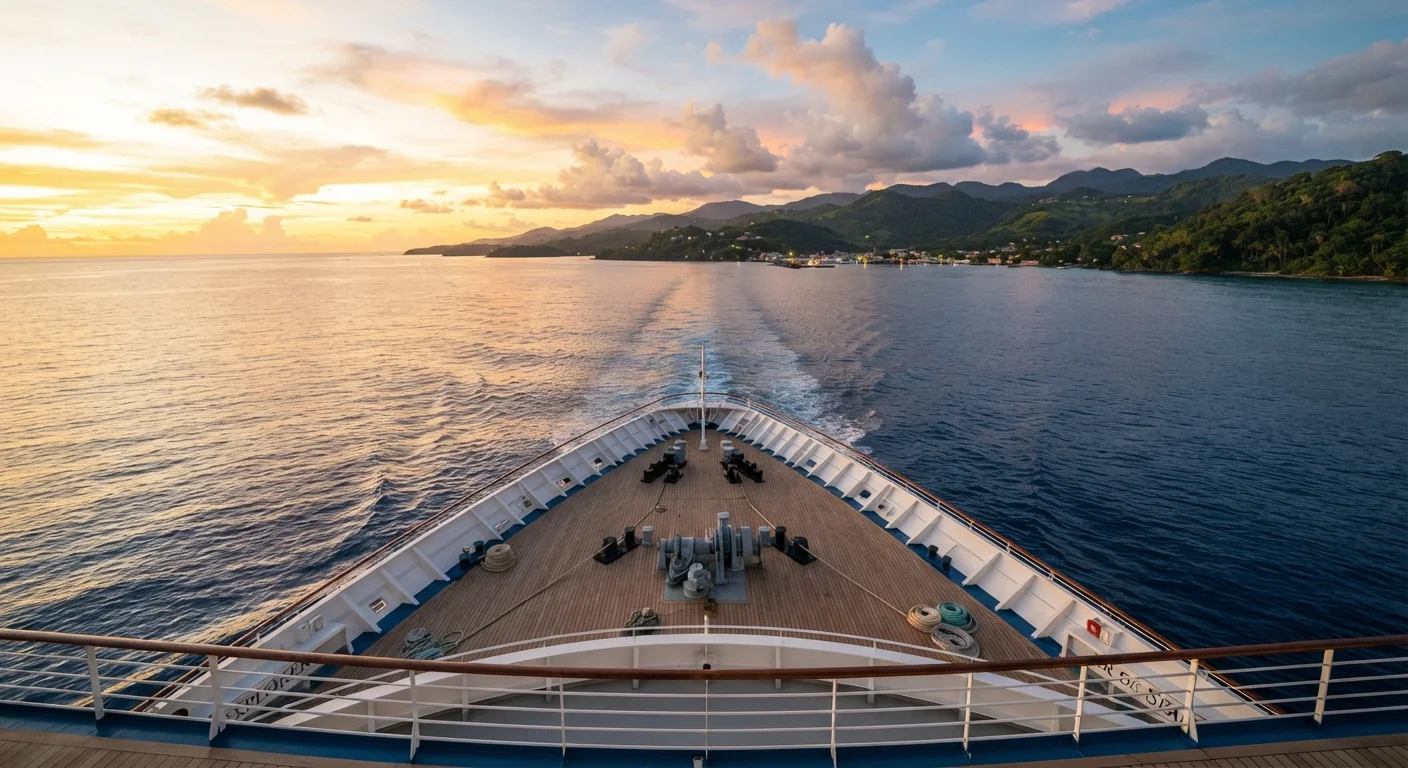
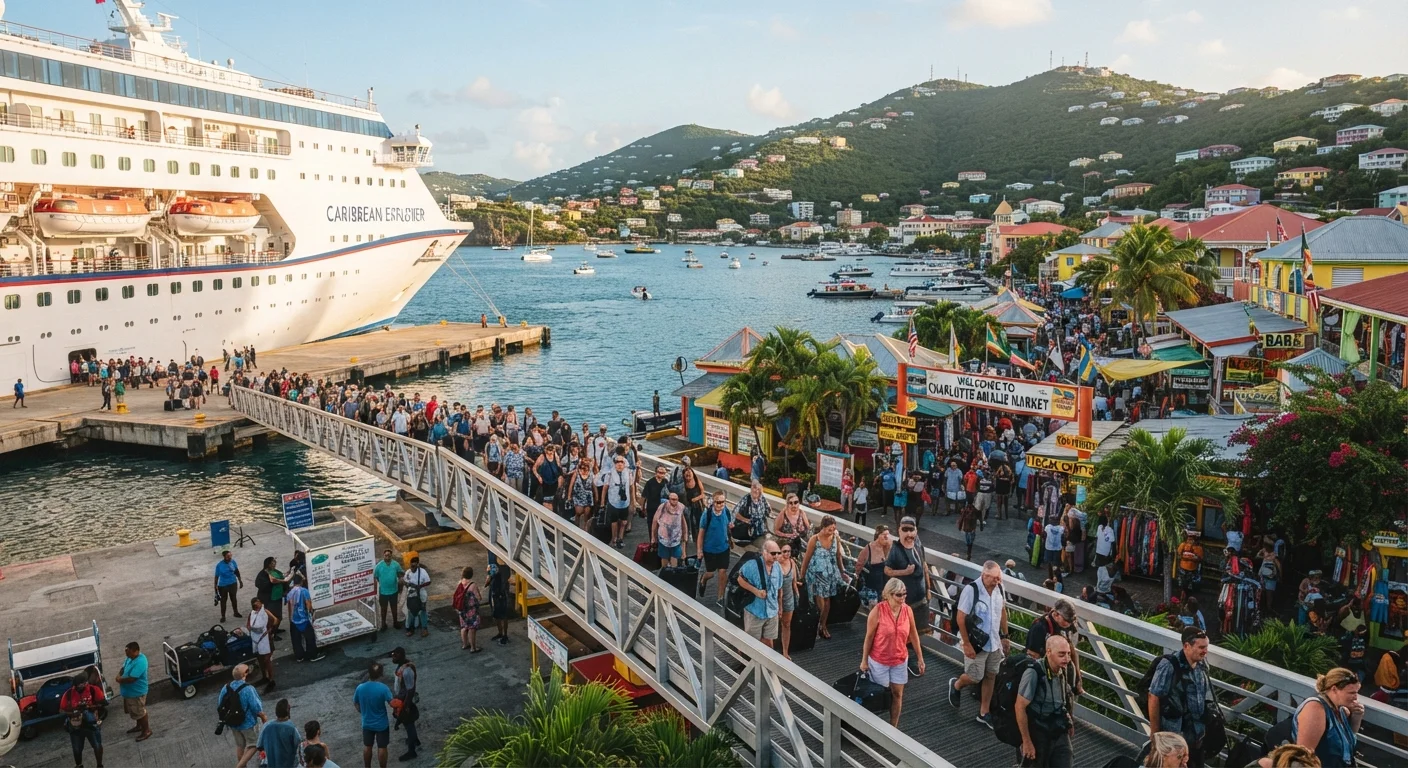
Traditional ocean cruising — the kind offered by mainstream carriers on large vessels — treats the ship itself as a resort. Broadway-style shows, multiple restaurant concepts, pools, spas, casinos, and structured daily schedules fill the hours between ports. The destinations matter, but the onboard experience is equally central to the product. If you're new to cruising, this structure is usually where most travelers begin.
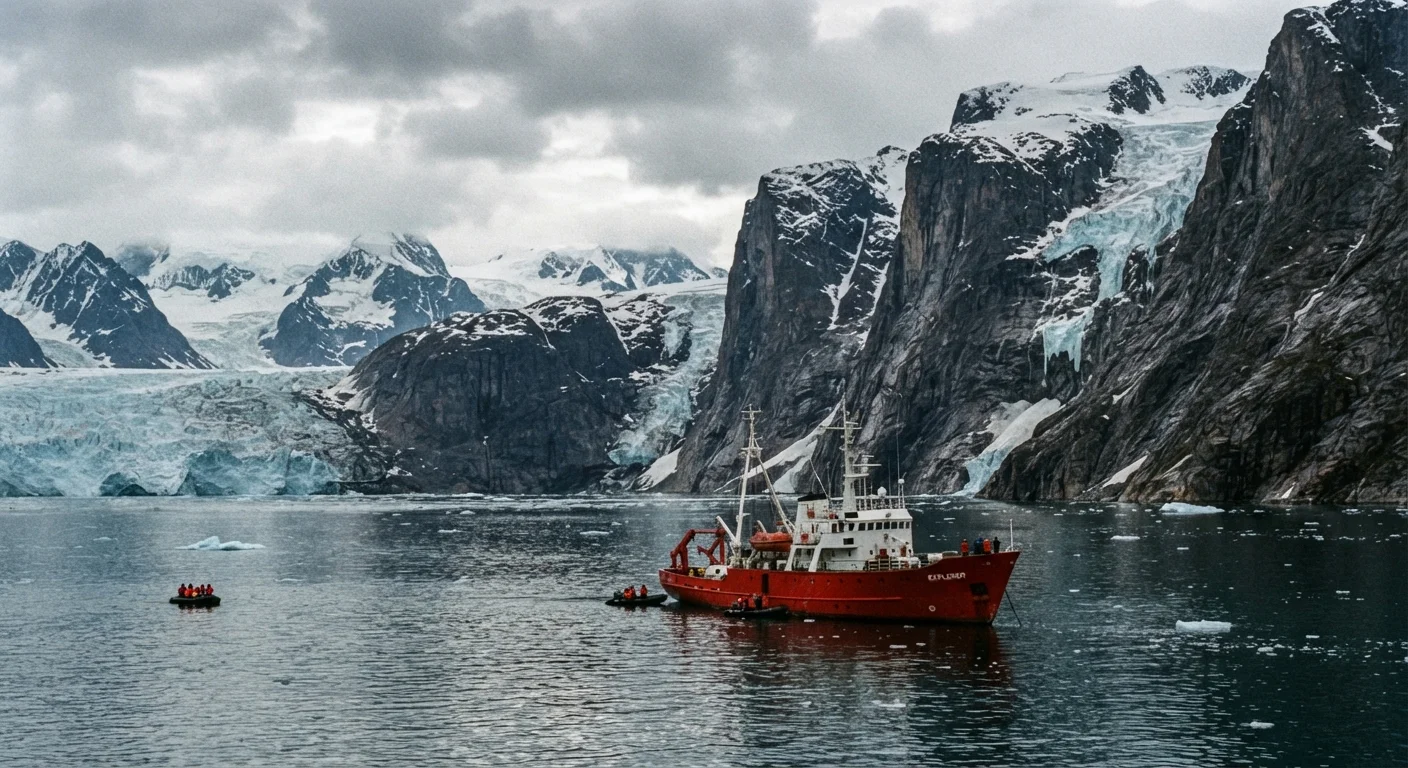
Expedition cruising operates on the opposite principle. The ship is a vessel — often a small, ice-strengthened one — designed to deliver passengers to places that large ships simply cannot reach: sub-Antarctic islands, Arctic archipelagos, remote fjords, uninhabited coastlines. Onboard life is deliberately modest compared to mainstream ships, because the experience happens largely off the ship, guided by naturalists, marine biologists, ornithologists, and local experts.
Ship Size, Access, and What That Means in Practice
Ship size is the most consequential practical difference between these two styles of travel. Traditional cruise ships frequently carry anywhere from 2,000 to over 5,000 passengers. Expedition vessels commonly carry between 50 and 500 guests, with many of the most remote itineraries operating ships at the lower end of that range.
That scale difference is what unlocks access. Zodiacs — inflatable motorized landing craft — can ferry small groups directly onto beaches, ice floes, or remote shorelines where there are no docks at all. Larger ships are limited to ports with infrastructure to receive them. For a deeper look at how port operations work across cruise types, understanding shore excursions from the passenger's perspective adds useful context.
| Expedition Cruising | Traditional Ocean Cruising | |
|---|---|---|
| Typical ship capacity | 50–500 passengers | 1,000–5,000+ passengers |
| Destination types | Remote wilderness, polar, uninhabited coastlines | Major ports, resort cities, established routes |
| Onboard amenities | Modest; functional over luxurious | Extensive; pools, spas, shows, casinos |
| Expert programming | Core product; daily naturalist-led content | Optional add-on enrichment lectures |
| Itinerary flexibility | High; weather and wildlife can alter plans | Low; structured schedule, fixed port calls |
| Relative per-day cost | Generally higher | Highly variable; often lower base fare |
| Shore access method | Zodiac landings, no dock required | Established port infrastructure |
The trade-off is significant. Smaller ships mean fewer amenities, more exposure to weather-driven itinerary changes, and a more communal, less private onboard environment. Expedition travel embraces unpredictability — a rare wildlife sighting or favorable ice conditions might cause a captain to alter course entirely, which is often celebrated rather than lamented.
Programming, Education, and the Role of the Expedition Team
One of expedition cruising's defining characteristics is the staff-to-guest ratio among subject-matter experts. A dedicated expedition team — typically including naturalists, historians, geographers, or scientists relevant to the destination — leads daily lectures, guided landings, and on-deck briefings. This educational layer is built into the voyage cost and shapes the entire experience.
Traditional cruises offer enrichment programming too — destination talks, cooking demonstrations, cultural performances — but these are generally optional add-ons to a primarily leisure-focused structure. The programming complements the destination rather than driving the itinerary.
Match Your Expectations to the Format
Before booking an expedition voyage, ask operators specifically what a typical day looks like, how many landings are scheduled, and what happens when weather prevents them. Expedition itineraries are genuinely subject to change, and travelers who embrace that unpredictability tend to find the experience more rewarding than those who expect a fixed schedule. If predictability matters to you, a traditional cruise structure may be a better fit.
For travelers drawn to immersive, knowledge-led exploration, expedition cruising shares more DNA with cultural immersion travel than with mainstream sea voyages, even though the environments are often wilderness rather than populated communities.
Cost Structure and What You're Paying For
Expedition cruises typically carry a substantially higher per-day cost than mainstream ocean cruises, and that gap widens significantly for polar or remote itineraries. This reflects smaller ships, specialized staff, complex logistics in remote regions, and often the inclusion of gear like parkas, rubber boots, and guided landings that would cost extra elsewhere.
Traditional cruising is far more variable in price — base fares can appear modest, though port fees, gratuities, specialty dining, beverages, and shore excursions can add meaningfully to the final cost. Repositioning cruises represent one niche within traditional cruising where pricing tends to be more favorable for longer voyages.
~50–500
Typical expedition ship passenger capacity
Expedition vessels are intentionally small to access remote areas and maintain manageable landing group sizes.
2,000–5,000+
Passengers on large traditional cruise ships
Major ocean cruise vessels require established port infrastructure and cannot access wilderness or shallow-draft destinations.
Whatever the format, verifying travel insurance coverage is worth doing carefully before any ocean voyage. Cruise travel insurance works differently from standard policies, and expedition itineraries in remote regions raise specific questions about medical evacuation coverage that travelers should address before departure.
This article provides general travel information only. Prices, availability, itineraries, and conditions vary and should be verified directly with operators and official sources before making any travel decisions.