
Understanding Charter Types Before You Commit
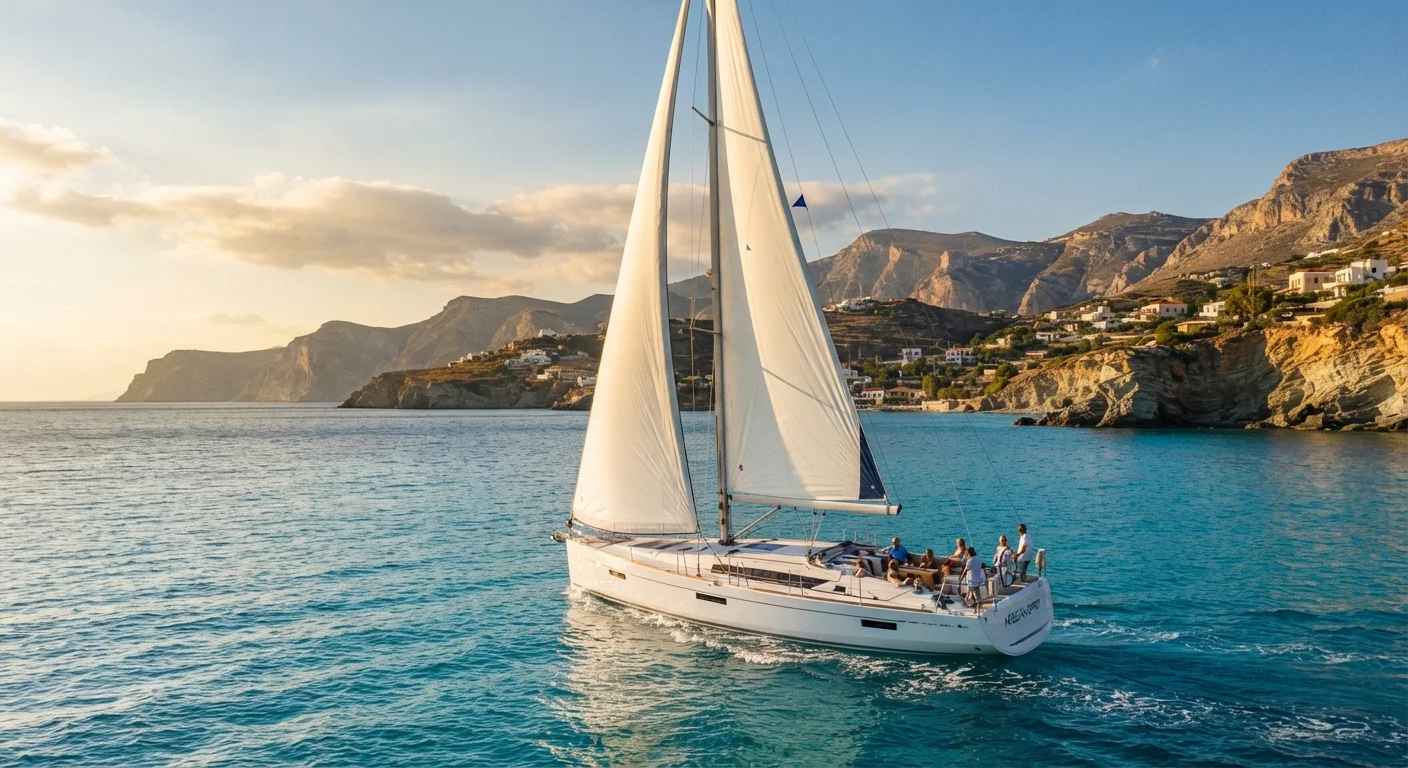
The sailing charter market broadly divides into two categories, and choosing the wrong one early can shape — or derail — the entire experience. A bareboat charter means you lease the vessel and sail it yourself, with no captain or crew provided. A crewed charter includes at minimum a professional skipper, and often a full crew with a cook. Between these poles sit hybrid options: a skipper-only add-on for bareboats, or crewed catamarans that allow guests to participate in sailing as much or as little as they wish.
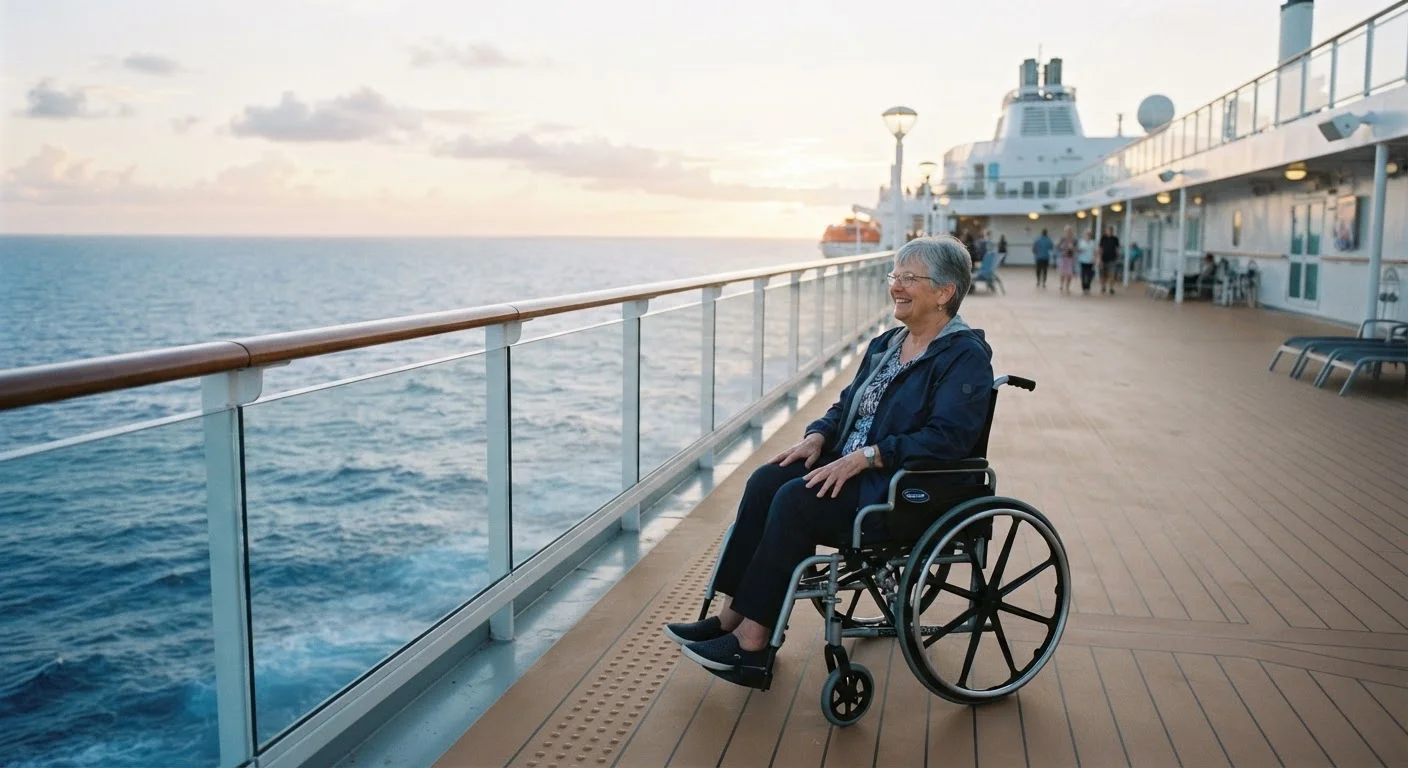
If you're weighing a charter against a structured cruise vacation, our comparison of private charters and cruise ships walks through how those experiences differ in cost, privacy, and day-to-day flexibility.
For first-timers drawn to the bareboat route, the critical question is credentials. Most reputable charter companies require documented proof of competency — typically a nationally or internationally recognized sailing certification (such as an ASA or RYA qualification), a sailing résumé listing offshore experience, and sometimes a checkout sail conducted by the company's local base manager. Requirements vary by company and sailing region, so confirm specifics directly with the operator well before booking.
Crewed Charters Are Not Just for Non-Sailors
Experienced sailors sometimes choose crewed charters in unfamiliar regions specifically because a local skipper brings knowledge of anchorages, currents, and seasonal patterns that no guidebook fully captures. It's a legitimate strategic choice, not a fallback.
What You'll Need Before You Start: Prerequisites and Tools
Getting organized early saves significant frustration. Before contacting any charter company, assemble your documentation and think through your group's logistics.
What you will need
Cruising pilot book or sailing guide
Provides detailed route information, anchorage data, local regulations, and hazard notes for your sailing region.
Offline navigation app (e.g., chart plotter software with downloaded charts)
Ensures navigation capability if cellular or internet access is unavailable offshore.
Waterproof document holder
Keeps passports, vessel papers, charter contracts, and insurance documents accessible and protected aboard.
Handheld VHF radio
Provides backup communications capability independent of the vessel's fixed radio.
Provisioning spreadsheet or planning app
Helps calculate and organize food, water, and supply quantities for the planned duration of the charter.
Step-by-Step: Planning Your Charter from First Inquiry to Departure
Define your group, dates, and sailing region
Start with the practical constraints: how many people are traveling, what sailing experience exists in your group, and which region appeals. The Caribbean, Mediterranean, and Pacific Northwest each have distinct sailing seasons, anchorage cultures, and regulatory environments. Matching the region to your group's experience level is more important than chasing a dream destination.
Gather and verify your sailing documentation
If pursuing a bareboat charter, compile your sailing certifications, offshore logbook hours, and any radio operator credentials (a VHF radio license is required in many jurisdictions). Discrepancies between your stated experience and what documentation shows can result in a denied checkout or a mandatory skipper add-on at extra cost.
Research and shortlist charter companies
Look for operators affiliated with recognized industry associations, and read charter-specific review platforms rather than general travel sites. Pay attention to how recently reviews were posted — fleet condition and service standards can shift over time. Request a full vessel specification sheet before making any commitment.
Review the charter agreement carefully
The charter contract governs everything: delivery and return conditions, damage deposit terms, cancellation policy, late return fees, and what constitutes a valid insurance claim. Have a clear understanding of what voids coverage. If any clause is unclear, ask the company to explain it in writing before signing.
Plan your route and provisioning
Work from pilot charts and cruising guides for your region to map a realistic itinerary. Overambitious routes are a common beginner mistake — factor in weather windows, rest days, and provisioning stops. For crewed charters, provisioning is often coordinated through the base; for bareboats, you'll typically shop at the base marina or arrange delivery. Build a detailed meal and supply list ahead of time to avoid paying premium marina-store prices.
Arrange travel logistics and pre-departure briefing
Flights, ground transfers, and pre-charter accommodation should be booked with the understanding that your vessel check-in time is fixed — typically mid-afternoon on the first day. The departure briefing covers safety equipment locations, engine operation, navigation electronics, and local regulations. Take it seriously and ask questions; you're responsible for the vessel from that moment forward.
Budgeting Honestly: What the Base Rate Doesn't Cover
Charter pricing is rarely all-inclusive. The quoted base rate typically covers the vessel only. On top of that, charterers are generally responsible for an advance provisioning allowance (APA) — a prepaid fund (often 25–35% of the charter fee on crewed trips) drawn down for fuel, marina fees, water, and provisioning. On bareboat trips, these costs are managed directly by the crew. At the end of the voyage, gratuity for a professional crew is standard practice, commonly ranging from 10–20% of the charter fee, though amounts are at the charterer's discretion.
Travel insurance and supplemental marine insurance deserve serious attention. Charter companies carry their own hull insurance, but the damage deposit — which can run into the thousands of dollars — is your liability if the vessel sustains damage during your charter. Dedicated charter insurance products exist that can cover or reduce this exposure; discuss options with a licensed insurance professional before signing a contract.
If health is a planning consideration for any member of your group, our guide to ocean travel with a chronic health condition covers what to think through before any extended time at sea.
Read the Damage Deposit Terms Closely
The damage deposit on a charter vessel can be substantial — sometimes several thousand dollars held against a credit card for the duration of the trip. Standard charter insurance does not always cover this liability automatically. Speak with a licensed insurance professional about charter-specific coverage options before your departure date.