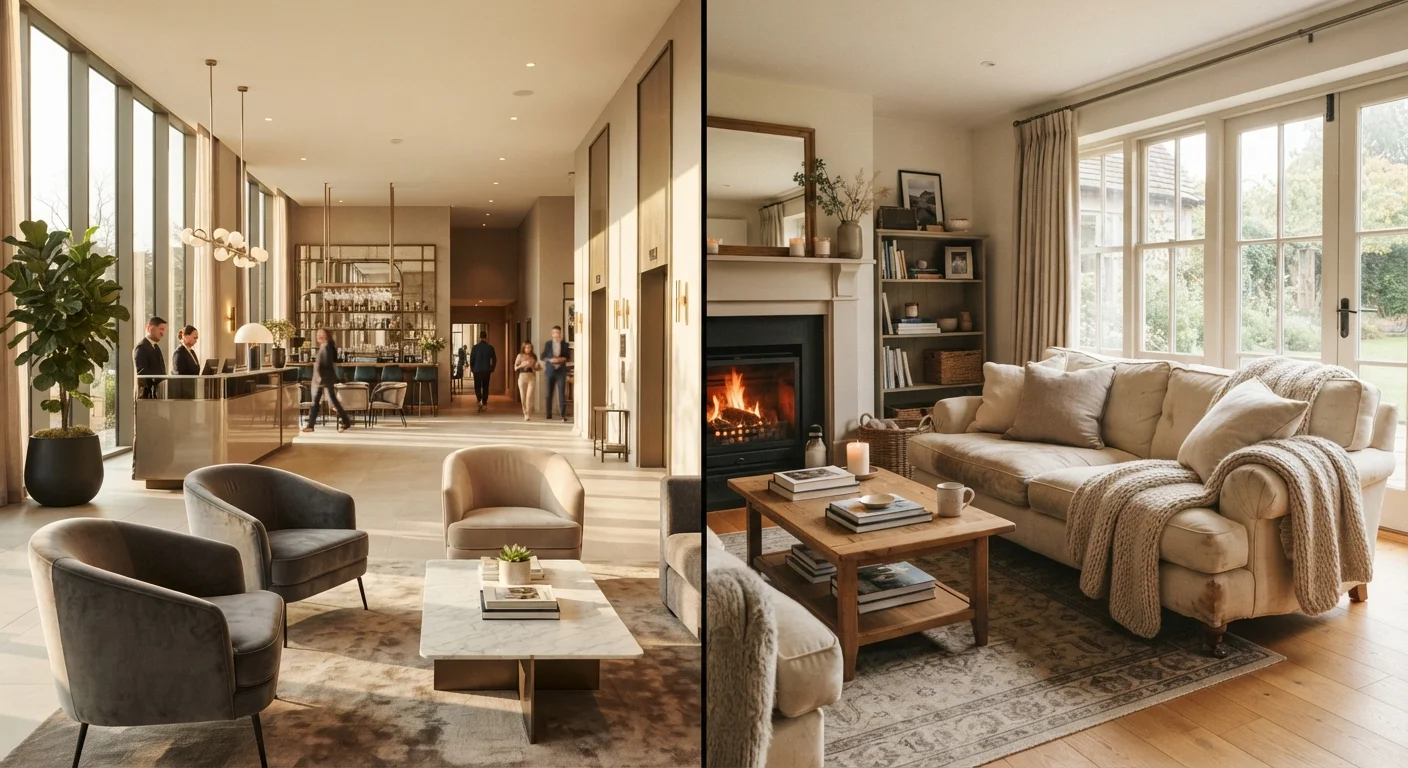

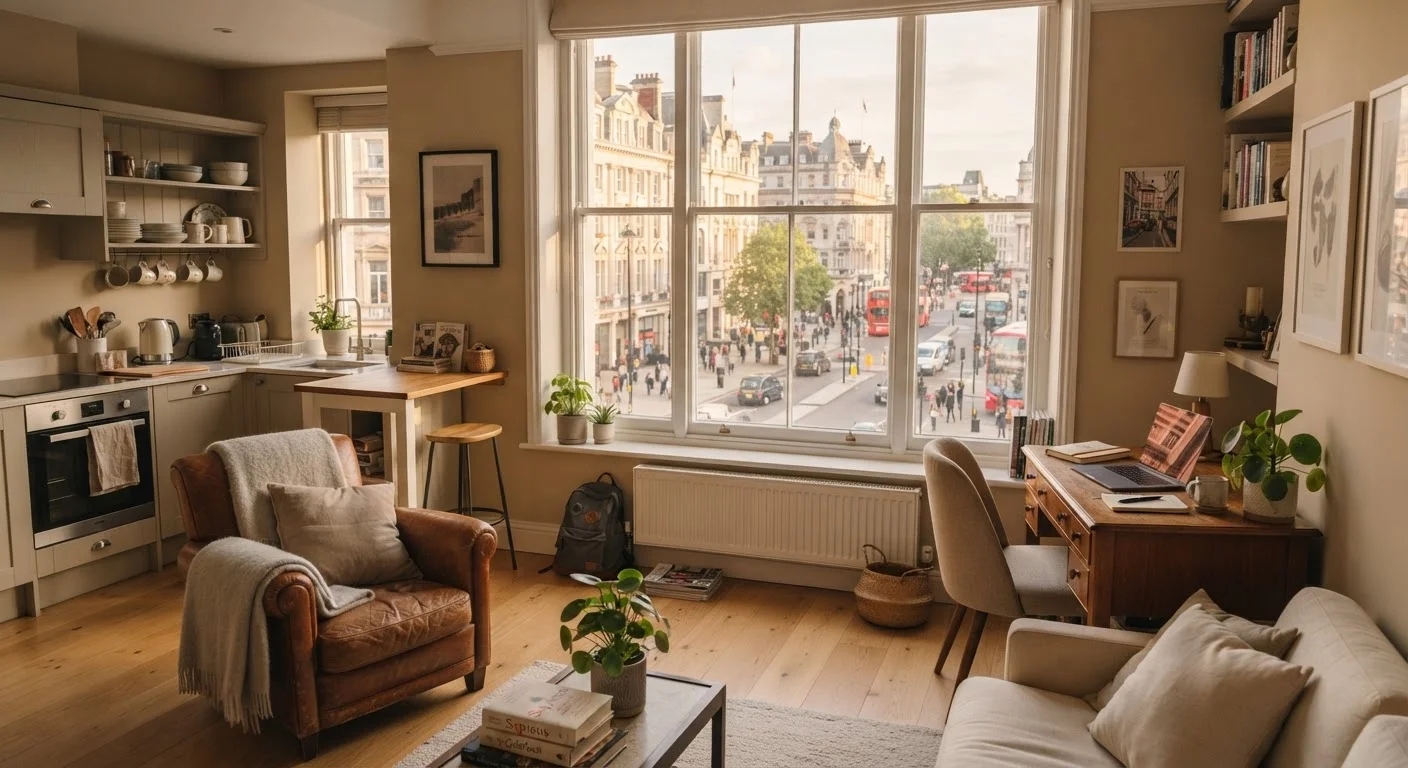
Why Extended Stays Are a Different Category Entirely
Booking a room for two nights and booking one for three weeks are fundamentally different decisions, even when the building looks identical on a booking platform. When you're staying somewhere for an extended period — generally understood as two weeks or longer — the criteria that matter most shift in ways that catch many travelers off guard.
A hotel that earns glowing reviews for a weekend escape may feel claustrophobic and expensive by week two. Meanwhile, a modestly styled serviced apartment with a functioning kitchen and reliable Wi-Fi can become a genuinely comfortable base of operations. The difference isn't always obvious from photos.
Extended stays are increasingly common: remote workers taking advantage of location flexibility, families relocating temporarily, patients near treatment centers, and project-based professionals all find themselves needing accommodation that bridges the gap between a hotel and a home. The accommodation industry has developed distinct product categories to serve them — but navigating those options requires understanding what actually changes when time stretches out.
What Counts as an 'Extended Stay'
The term 'extended stay' is used inconsistently across the lodging industry. Some properties define it as seven nights or more; others use 28 nights as the threshold that triggers lease-like conditions or different tax treatment. When researching options, clarify how each property defines and prices extended stays, since the category affects everything from housekeeping schedules to deposit requirements.
Accommodation Types Worth Considering
The landscape of long-stay accommodation includes several distinct formats, each with different trade-offs.
Standard Hotels with Extended-Stay Programs
Many mid-scale and upscale hotel brands operate extended-stay tiers or sister properties specifically designed for longer visits. These typically include in-room kitchenettes, weekly housekeeping rather than daily, and negotiated weekly or monthly rates. They offer the reliability of a managed property but often in a more residential floor plan than a standard guest room.
Aparthotels
Aparthotels combine hotel-style services — front desk, security, sometimes a gym or pool — with apartment-style units that include separate sleeping and living areas and a full or partial kitchen. They're designed for the guest who wants independence during the stay but doesn't want to troubleshoot maintenance issues alone. This format is common in major cities and is worth exploring before defaulting to a traditional hotel. For a broader look at how accommodation categories compare, this breakdown of accommodation types can help clarify the distinctions.
Serviced Apartments
Serviced apartments function more like furnished rentals with periodic housekeeping included. They tend to offer more living space per dollar than aparthotels and often feel more like genuine homes. The trade-off is that service levels vary considerably between operators, and the booking process can require more direct communication than a standard platform reservation.
Short-Term Rental Platforms
Listings on home-rental platforms can work well for extended stays, particularly when a host offers monthly discounts and the listing has a strong track record of verified reviews. The key difference from weekend rentals is that you're assessing the space for livability, not just comfort during a short visit. A side-by-side comparison of hotels and vacation rentals is useful context when weighing these options.
When evaluating a serviced apartment or aparthotel remotely, request a video walkthrough specifically of the kitchen and the desk setup — these are the two spaces that make or break a long stay, and marketing photos routinely flatter them.
Photos are selected to highlight the most attractive angles. Kitchen countertop depth, drawer storage, and chair ergonomics aren't captured in standard listings but become daily frustrations when you're actually living there.
Search for reviews from guests who explicitly mention stay lengths similar to yours — a reviewer who stayed two nights and a reviewer who stayed three weeks are assessing entirely different things about the same property.
Noise levels, Wi-Fi reliability under sustained use, and the quality of kitchen equipment only surface meaningfully in extended-stay reviews, not in weekend snapshots.
What to Prioritize When Staying for Weeks
The amenities that drive short-stay decisions — rooftop pool, stylish lobby, turndown service — matter far less when you're settling in for a month. Here's what moves up the priority list:
- Kitchen access: The ability to prepare even simple meals dramatically reduces daily costs and gives you control over diet and schedule. A full-size refrigerator, stovetop, and microwave are the baseline; a dishwasher and oven become genuinely useful after the first week.
- In-unit laundry or reliable on-site laundry: Weekly laundering is a logistical reality, and dragging bags to an outside laundromat gets old fast. In-unit washer-dryer combinations are a significant upgrade for extended stays.
- Workspace: A proper desk and chair, with strong and stable internet connectivity, matters far more than lobby aesthetics if you're working remotely or handling any business during your stay.
- Neighborhood livability: When you're based somewhere for weeks, the surrounding block becomes part of your daily life. Proximity to grocery stores, pharmacies, transit stops, and green space carries a weight it doesn't have on a short trip. Before committing to any destination for an extended period, reading the local tourism and infrastructure landscape is time well spent.
- Noise and light control: A street-facing room that's charming for one night becomes a source of chronic sleep disruption over three weeks. Ask about window insulation, blackout curtains, and HVAC noise.
Non-Refundable Rates Carry More Risk Long-Term
For short stays, a non-refundable rate often represents acceptable risk in exchange for a lower price. For a multi-week reservation, the same structure means you could forfeit a substantial sum if your plans change. Always confirm the cancellation and modification terms before accepting a discounted long-stay rate.
Negotiating Terms and Understanding Costs
Extended stays often unlock pricing structures that don't appear automatically on booking platforms. Weekly rates are commonly 10–25% below the equivalent nightly rate multiplied out; monthly rates can represent even greater reductions, though this varies by property type, season, and market.
It's worth contacting properties directly rather than relying solely on platform pricing. A reservation manager can often offer terms — meal credits, late checkout, parking inclusion — that aren't surfaced in an online booking flow.
Understand the cost structure before committing. Some serviced apartments charge separately for utilities, parking, or Wi-Fi on stays beyond a certain length. Others include everything in a flat rate. The checklist of questions to ask before booking applies here with extra urgency: for an extended stay, a misunderstood fee structure compounds into a real budget problem.
Ask About Monthly Rates Directly
Many properties don't display their best long-stay pricing on booking platforms — these rates are negotiated directly. Call or email the property before booking online and mention the expected length of your stay. You may find significantly better terms than what appears on a listing page.
Cancellation and modification policies also take on new significance. A non-refundable rate that's acceptable for a two-night stay represents a much larger financial exposure when it covers a month. Look carefully at what flexibility you retain if your plans change, and weigh that against the savings a committed rate offers.
Practical Questions to Ask Before You Commit
Beyond the standard reservation checklist, extended stays warrant a more thorough inquiry. Some questions to raise directly with the property:
- Is housekeeping included, and at what frequency? What does it cover — linens, full cleaning, or just trash removal?
- What is the policy on having guests visit during the stay?
- Are there any usage restrictions — on cooking, for instance, or noise hours — that differ from a short stay?
- How are maintenance issues handled, and what's the typical response time?
- Is there a deposit, and under what conditions is it returned?
- What happens if the property needs to relocate you mid-stay due to maintenance or overbooking?
If you're new to booking longer-stay accommodation after years of short trips, the fundamentals covered in this hotel booking guide offer a useful baseline before layering in extended-stay considerations.
Ultimately, choosing accommodation for an extended stay is closer to renting a temporary home than selecting a hotel room. Treat it with the same level of due diligence — visit virtually through video calls if possible, read recent reviews specifically from long-stay guests, and verify every practical detail before handing over a deposit.
30–40%
Potential savings with monthly vs. nightly rates
Industry data from extended-stay lodging operators suggests monthly rates can run 30–40% below the equivalent nightly rate accumulated over the same period, though this varies significantly by market and property.
2 weeks+
Threshold where kitchen access becomes a priority
Hospitality researchers and extended-stay operators consistently cite the two-week mark as where in-room cooking facilities shift from a convenience to a meaningful factor in guest satisfaction.