

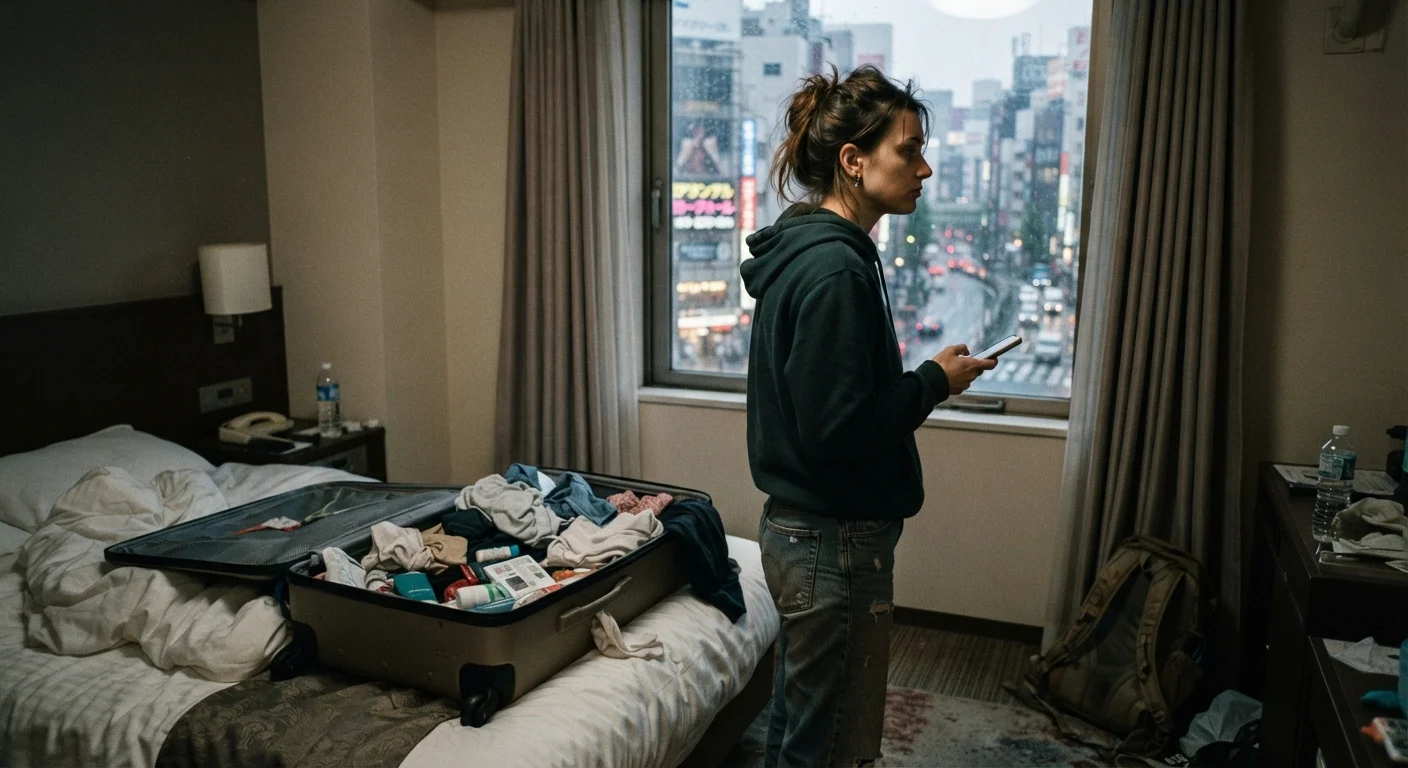
The Gap Between Expectation and Reality
Accommodation disappointment rarely comes from bad luck. More often, it traces back to decisions made weeks before arrival — a listing skimmed too quickly, a policy left unread, or a map never consulted. The good news is that most of these missteps follow recognizable patterns, which means they're largely preventable.
Whether you're booking a budget hostel or a beachfront resort, the habits that protect you are the same: slow down, verify specifics, and read past the headline. Our guide for first-time hotel bookers walks through the foundational steps before you even reach the mistakes covered here.
Trusting the listed location description without checking a map.
Why it happens: Phrases like "city center adjacent" or "minutes from the beach" are marketing language, not measured distances. Travelers often accept them at face value when excited about a deal.
Ignoring the cancellation policy until it's too late to use it.
Why it happens: Cancellation terms are typically buried in booking flow or summarized in small print, and travelers focused on price and photos rarely pause to read them in full.
Relying solely on listing photos to judge a room.
Why it happens: Professional photography, wide-angle lenses, and selective staging make rooms appear larger, brighter, and more recently renovated than they are. Listings are under no obligation to show the least flattering angles.
Overlooking mandatory fees that aren't included in the displayed rate.
Why it happens: Resort fees, destination charges, parking fees, and Wi-Fi charges are frequently excluded from the nightly rate shown during search. The total only appears at checkout — if you reach that step.
Reading reviews selectively and ignoring consistent negative patterns.
Why it happens: It's human nature to weight positive reviews more heavily when you're hoping a property will work out. Travelers also tend to dismiss negative reviews as outliers without looking for repetition.
Assuming a booking platform's description is identical to what the property offers directly.
Why it happens: Third-party platforms sometimes display outdated amenity lists, old photos, or room categories that no longer exist. Travelers assume the platform is current when it may not be.
What to Do Before You Confirm
Avoiding accommodation disappointment isn't about distrust — it's about asking the right questions at the right moment. Before confirming any reservation, take time to verify what matters most to your specific trip: transfer times, noise environment, what the cancellation window actually allows, and what fees aren't reflected in the displayed rate.
Third-Party Booking Services Add Complexity
When you book through an online travel agency rather than directly with the property, disputes about charges, cancellations, or room changes often require navigating both the platform's policy and the hotel's policy simultaneously. This can extend resolution time significantly. Understand which entity holds your reservation before you need to modify or cancel it. Our piece on why travelers end up worse off after using a booking service covers what can go wrong in this channel.
The questions worth asking before booking any accommodation form a practical checklist for exactly this stage. And if you're leaning on online reviews to make the call, it's worth understanding how to read them critically — our piece on evaluating hotel reviews without being misled explains which signals to trust and which to discount.
Travel, at its best, rewards preparation. The accommodations that genuinely delight travelers are rarely discovered by chance — they're the result of decisions made with clear eyes and a few deliberate extra minutes spent asking the right questions.