
How Each Approach Works
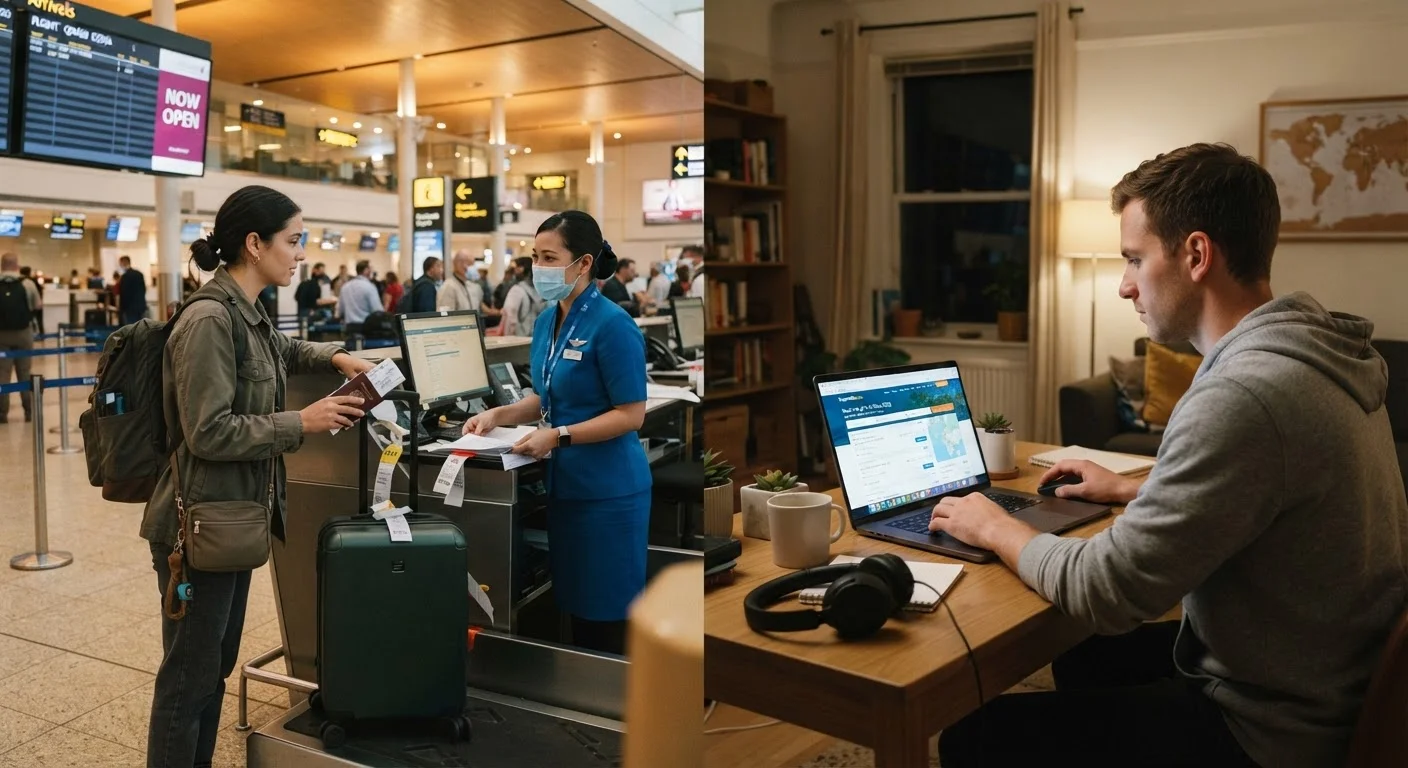
Booking directly means going straight to an airline's website or app, or reserving a hotel room through the property's own reservation system. You interact solely with the supplier — the airline sets the terms, the hotel manages the room, and any post-booking changes go through them directly.
Using a travel service means routing your booking through an intermediary. This could be an online travel agency (OTA) like Expedia or Booking.com, or a more hands-on option like a full-service travel agency or independent advisor. The service aggregates options, handles the transaction, and typically acts as the first point of contact if something needs adjusting. For a fuller picture of how these service types differ from each other, see this breakdown of agencies, platforms, and advisors.
| Criterion | Direct Booking | Travel Service |
|---|---|---|
| Loyalty points earned | Full credit, typically | Reduced or none (varies) |
| Customer support on disruption | Direct with supplier | Via intermediary first |
| Price transparency | Clear, fewer added fees | Service/platform fees may apply |
| Multi-component trip planning | Manual, time-intensive | Consolidated in one place |
| Access to exclusive rates | Possible (direct-only deals) | Possible (contracted group rates) |
| Destination expertise | None from supplier | Available via advisors |
| Cancellation flexibility | Set by supplier directly | Subject to intermediary terms |
Where Direct Booking Has a Clear Edge
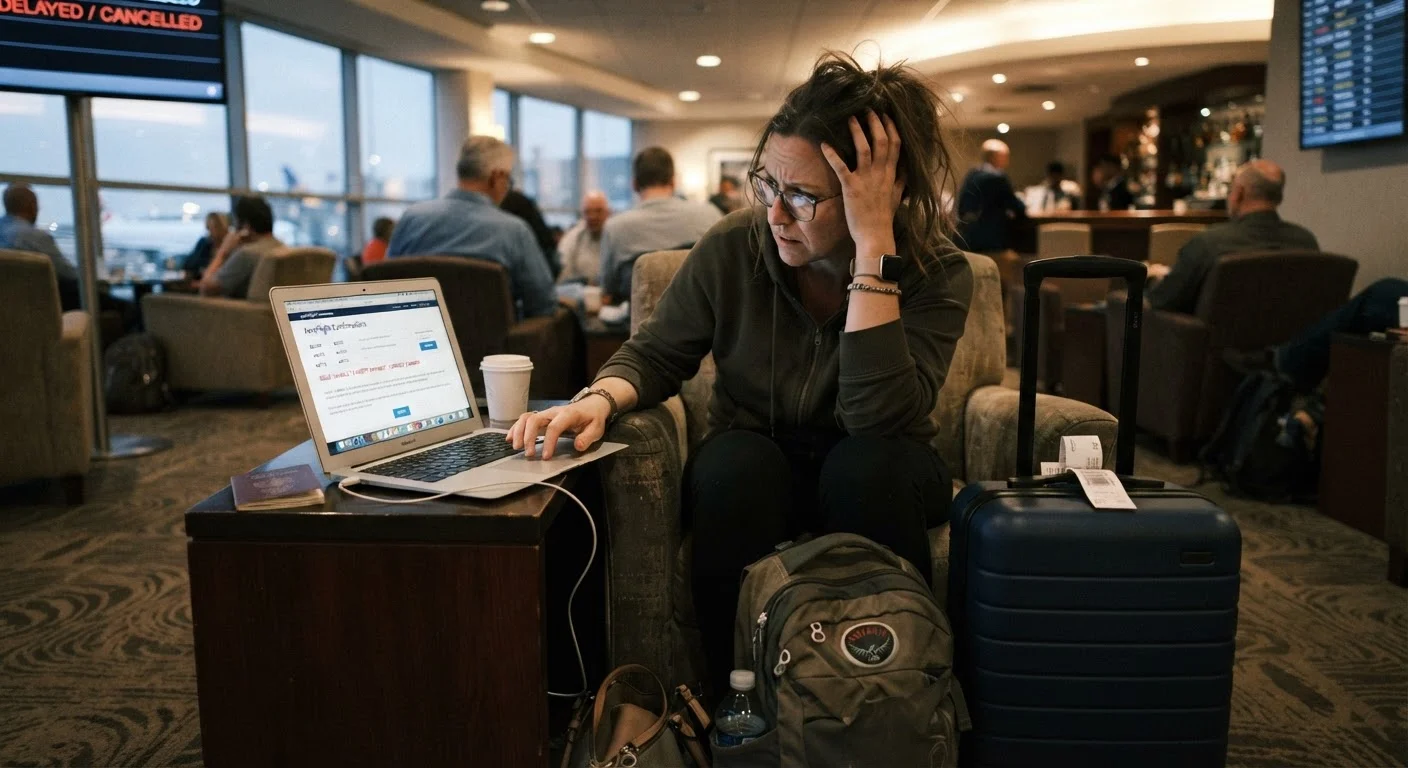
The strongest argument for booking directly is what happens when your plans change. Airlines and hotels can modify, rebook, or waive fees on direct reservations more readily than they can for third-party bookings, which are bound by the intermediary's contract terms. If your flight is canceled and you booked through an OTA, the airline may direct you back to the OTA — adding time and friction to an already stressful situation.
Loyalty programs are another concrete advantage. Most airline and hotel programs credit points only — or at a higher rate — when you book directly. Over time, that gap in earned rewards can add up to free nights, seat upgrades, or lounge access that third-party bookings simply don't unlock.
~50%
Hotel bookings made directly with properties
Industry estimates suggest roughly half of hotel reservations are made through direct channels, though the share varies significantly by property type and traveler segment.
3–5%
Typical OTA commission on hotel bookings
Online travel agencies generally charge hotels a commission ranging from around 15–25%, costs that can influence room rates and available inventory across channels.
Price parity rules have narrowed some gaps, but direct booking channels sometimes offer exclusive rates, room types, or add-ons not listed on third-party platforms. Hotels, in particular, often hold back certain inventory for direct reservations.
Where a Travel Service Earns Its Place
The calculus shifts when travel becomes more complex. A week-long trip to a single city is easy to self-book; a two-week itinerary spanning four countries with a river cruise, multiple rail legs, and a group of ten travelers is another matter entirely. Travel services exist partly to absorb that planning burden.
OTAs make comparison shopping faster, displaying dozens of flight and hotel combinations in a single search. For travelers who don't have the time or inclination to visit five airline websites and compare fare class restrictions, that aggregation has real practical value. Some services also carry group negotiating power, accessing contracted rates that aren't publicly listed.
Beyond logistics, some travel services — particularly specialized advisors — carry destination expertise that's difficult to replicate through independent research. Understanding how OTAs differ from traditional agencies can help you identify which type of service fits a specific trip. That distinction matters: the right advisor for an African safari is a very different resource than a generalist OTA.
Booking Channel Affects More Than Price
The channel you use to book can affect what rate class your ticket falls into, which rooms are available, and what policies apply to changes. Two reservations at the same hotel for the same dates and price may carry different cancellation terms depending on whether one was booked directly and the other through a third party. Always read the specific terms attached to your reservation, not just the headline rate.
It's worth noting that travel services don't guarantee better outcomes. Common pitfalls include miscommunication, hidden restrictions, and misaligned expectations — problems that can be harder to untangle when a third party holds your reservation.
Making the Call for Your Next Trip
Neither approach is universally superior — the right choice depends on the trip, the traveler, and the specific trade-offs each situation involves. A useful rule of thumb: the simpler and more familiar the trip, the more direct booking tends to serve you well. The more moving parts involved, the more a coordinated service can justify the added layer.
For accommodations specifically, the hotels and accommodations hub offers deeper guidance on what to consider when choosing where to stay, independent of how you book. And if you're weighing lodging types altogether, hotels versus vacation rentals adds another dimension worth considering before committing.
Whatever channel you use, read the cancellation and change policies before completing any reservation. Understanding what you're agreeing to — not just the price — is the most durable piece of travel booking advice regardless of where you book.
This article is for general informational purposes only. Prices, policies, loyalty program terms, and service offerings vary by provider and change over time. Always verify current details directly with airlines, hotels, or travel services before booking.