
The Naming Problem: Why Terminology Misleads Buyers
Walk into most dealerships and you'll hear the phrase "extended warranty" used to describe products that are, legally and functionally, vehicle service contracts. The distinction isn't pedantic — it changes what protections apply to you as a buyer.
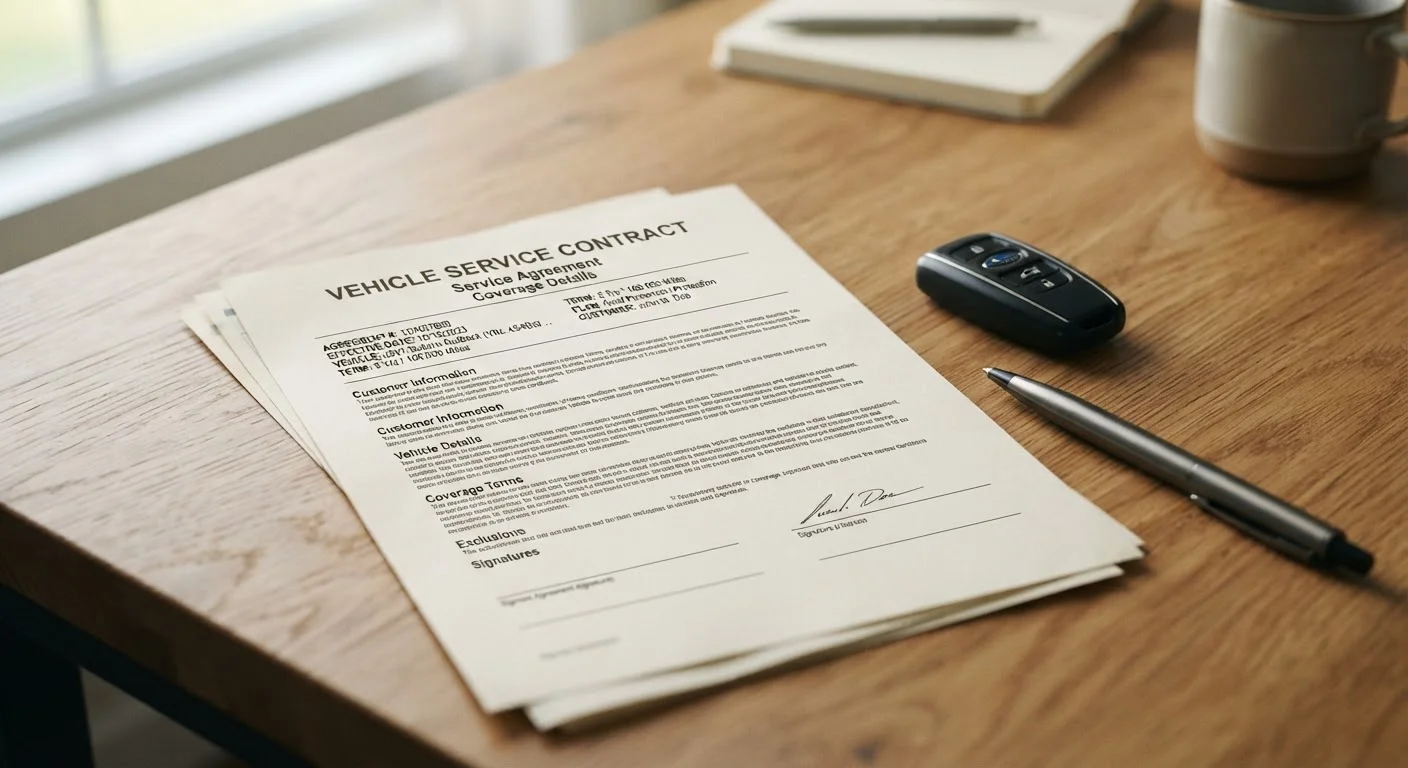
A true extended warranty is offered by the original manufacturer and extends factory coverage beyond the original term. A vehicle service contract (VSC) is an optional, fee-based agreement sold by a dealership, automaker's financial arm, or a third-party administrator. Both can cover mechanical breakdowns, but their legal standing, oversight, and claim processes differ substantially.
Dealers rarely volunteer this distinction, so buyers frequently assume they're getting something closer to manufacturer coverage than they actually are. Understanding which product you're being offered is the necessary first step before evaluating whether it makes financial sense.
Federal Oversight of Warranties vs. Service Contracts
The Magnuson-Moss Warranty Act governs written warranties on consumer products sold in the U.S., including vehicles. However, vehicle service contracts are specifically excluded from its warranty provisions and are instead regulated differently — often at the state level. Some states treat VSCs as insurance products, requiring administrators to hold an insurance license. Knowing your state's rules can affect your recourse if a dispute arises.
Exclusionary vs. Inclusions-Based Plans: The Coverage Gap
Coverage structures fall into two broad categories, and the difference determines far more than most buyers realize.
- Exclusionary plans (sometimes called "bumper-to-bumper" plans) cover all mechanical and electrical components except those specifically listed as excluded. These tend to offer broader protection but still carry meaningful carve-outs.
- Inclusions-based plans (named-component plans) cover only the parts explicitly listed in the contract — typically powertrain components like the engine, transmission, and drivetrain. If a part isn't named, it isn't covered.
When evaluating any plan, spend more time reading the exclusions section than the coverage highlights. Common exclusions across both plan types include:
- Routine maintenance (oil changes, fluid flushes, tire rotations)
- Wear-and-tear items (brake pads, rotors, belts, hoses, wiper blades, tires)
- Pre-existing conditions identified before the contract's effective date
- Damage from accidents, flooding, misuse, or lack of documented maintenance
- Infotainment systems, upholstery, and cosmetic components
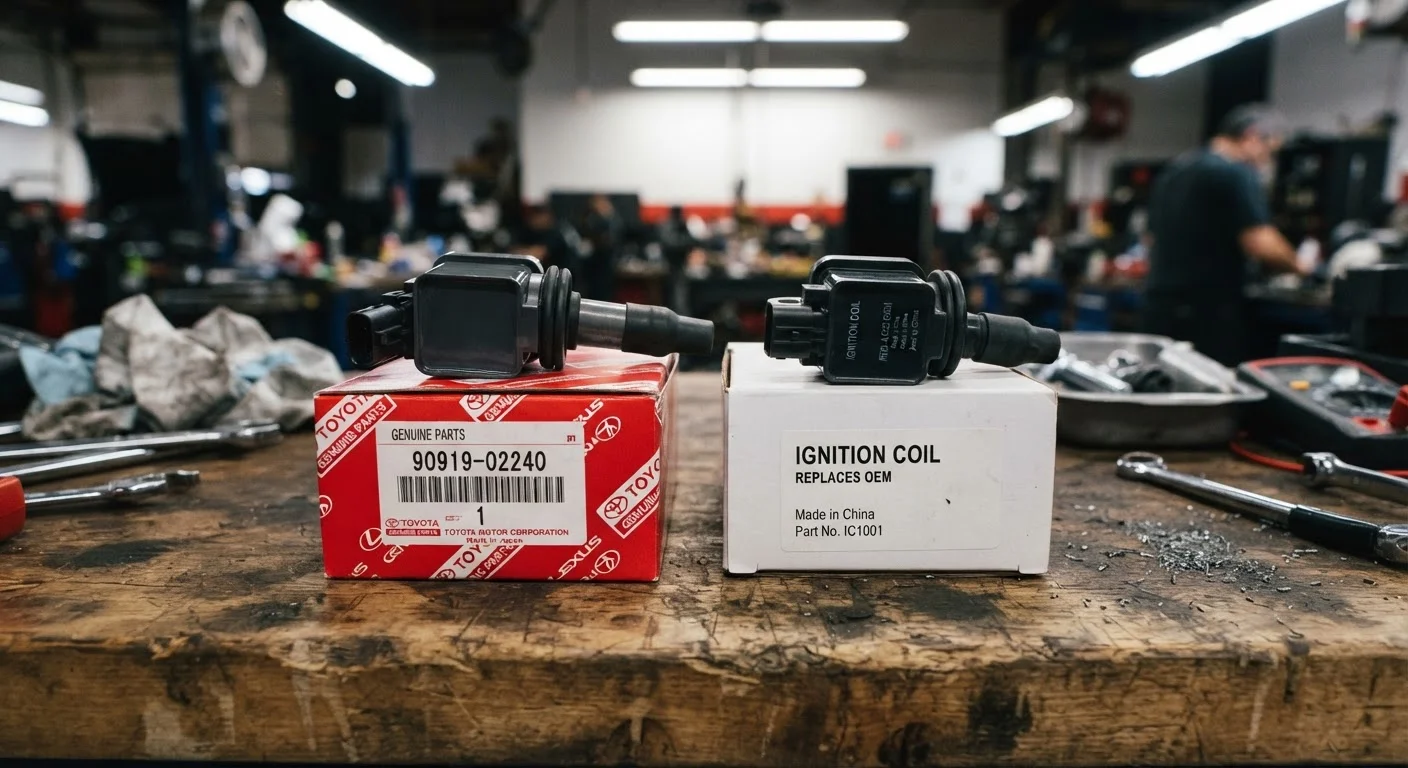
Understanding how parts are sourced also matters. Some contracts specify OEM parts; others permit aftermarket alternatives. See how those decisions play out in our OEM vs. aftermarket parts breakdown.
55%
VSC buyers who report not using their contract
Consumer Reports has noted in surveys that a majority of extended warranty purchasers never file a claim, raising questions about value relative to cost for many buyers.
$1,200–$3,000+
Typical VSC cost range for a used vehicle
Plan pricing varies widely based on vehicle age, mileage, coverage tier, and term length; these figures represent commonly cited ranges in automotive consumer literature.
Who Backs the Contract — and Why It Matters
The administrator behind a service contract shapes how smoothly claims are handled. There are three main categories:
- Manufacturer-backed plans — sold by the automaker or its finance division. Claims are typically processed through franchised dealerships, and the financial backing of the automaker provides a degree of stability.
- Dealer-administered plans — sold by the dealership, which may self-insure or pass the risk to a third-party underwriter. If the dealership closes, coverage may be at risk unless an independent insurer underwrites it.
- Third-party VSCs — sold by independent companies, sometimes directly or through dealerships. Quality varies widely; check whether the plan is backed by a licensed insurance company, which provides more consumer protection if the administrator fails.
If you're considering a certified pre-owned vehicle, note that CPO programs often include a manufacturer-backed limited warranty — but that coverage is still distinct from a separately purchased service contract and carries its own set of exclusions.
Always Verify Administrator Backing Before Signing
Ask the seller directly whether the service contract is underwritten by a licensed insurance company. Request the name of the insurer and verify their license status through your state's insurance commissioner website. This single step can protect you if the VSC administrator goes out of business before your contract term ends.
Claims, Deductibles, and the Fine Print That Changes the Equation
Even when a covered repair occurs, the out-of-pocket experience depends on several contract details:
- Deductible structure
- Contracts may charge a per-visit deductible (one payment per shop visit regardless of how many repairs are made) or a per-repair deductible (a separate charge for each individual repair). Per-visit is generally more favorable for consumers.
- Repair authorization
- Most contracts require prior authorization before repairs begin. Skipping this step — even in an emergency — can result in a denied claim. Keep the contract's claims number accessible.
- Rental and towing reimbursement
- Some plans include rental car coverage or towing allowances; many do not, or cap reimbursements at low daily rates. These are in the contract's schedule of benefits — not the marketing summary.
- Cancellation and refund terms
- VSCs can often be canceled for a prorated refund, though cancellation fees may apply. Review cancellation terms before signing, especially if you plan to sell the vehicle before the contract term ends.
This article provides general informational guidance about vehicle service contracts and extended warranties. It is not legal, financial, or insurance advice. Coverage terms vary by provider and state. Consult the actual contract documents and, where appropriate, a licensed insurance or consumer protection professional before making purchasing decisions.