
What OEM and Aftermarket Actually Mean
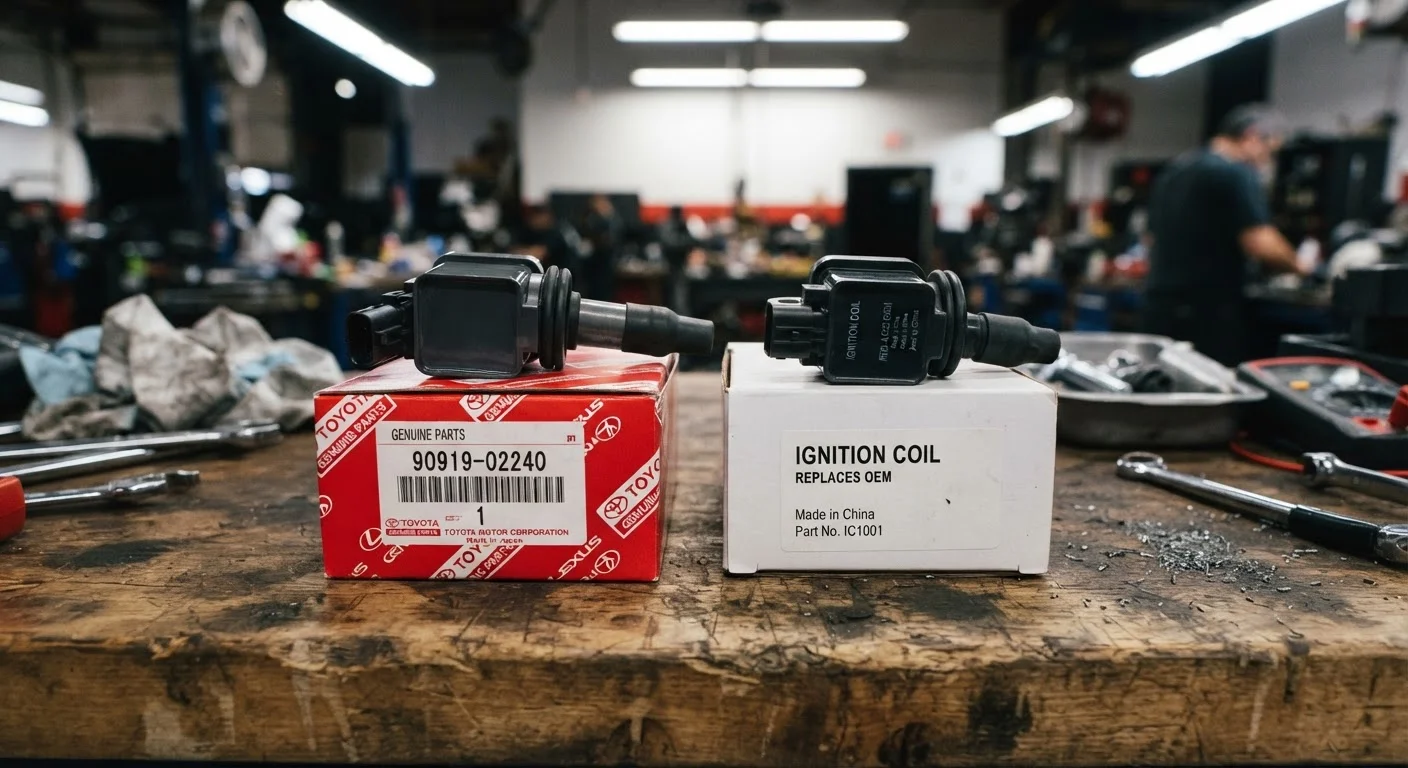
OEM stands for OEM. These are parts produced by — or under direct contract for — the vehicle's manufacturer, built to the exact specifications used on the assembly line. When you buy an OEM brake rotor, you're getting the same component, or its precise equivalent, that came with the vehicle originally.
Aftermarket parts are produced by third-party companies independent of the vehicle manufacturer. The category is broad: it ranges from budget parts with minimal quality controls to premium components engineered to match or exceed OEM standards. That variation is the central challenge consumers face when navigating this choice.
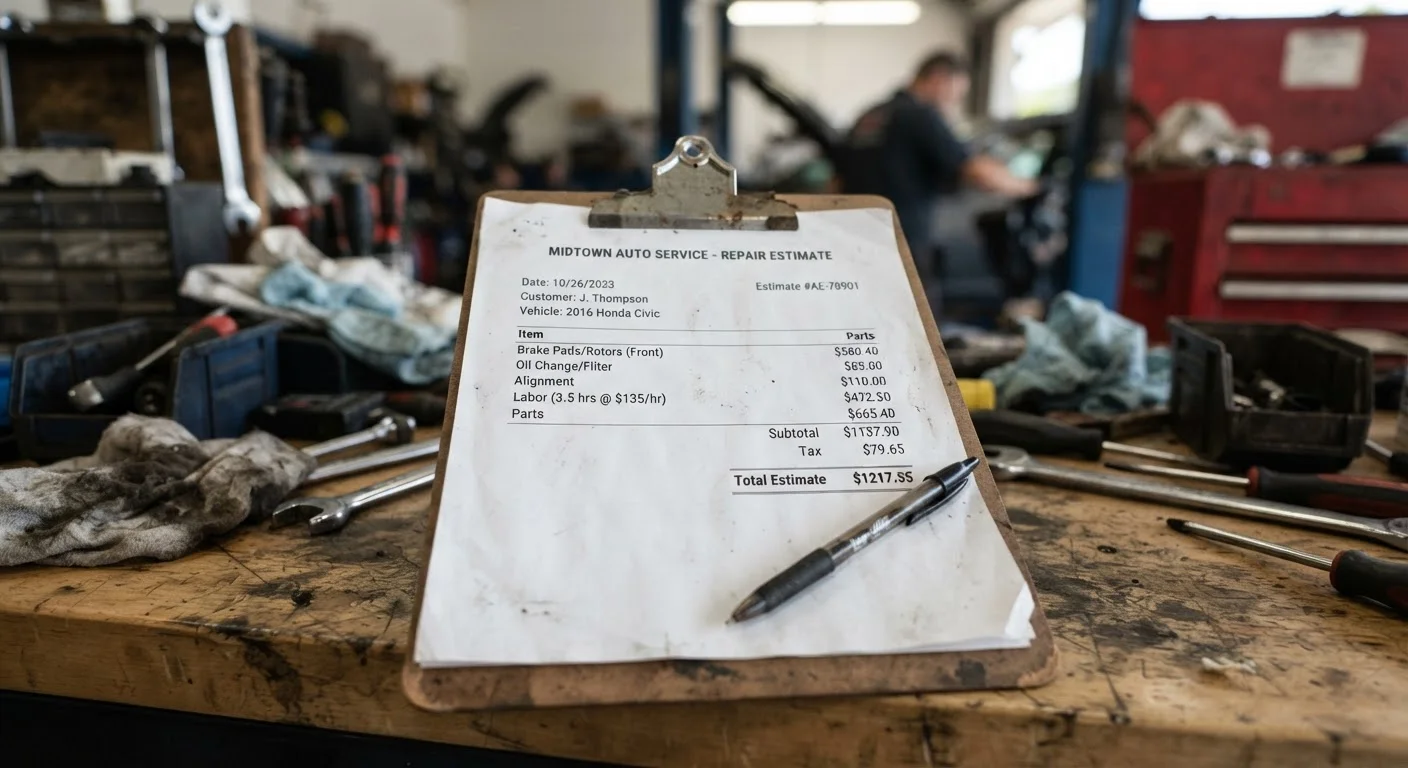
Both types are legal, widely available, and routinely used by dealerships and independent repair shops alike. The decision between them involves trade-offs in cost, fit, quality assurance, and how the repair interacts with any remaining warranty on your vehicle. See our guide to reading a repair estimate to understand how shops typically quote each type.
Head-to-Head: Key Differences That Matter
The practical differences between OEM and aftermarket parts come into focus when you compare them across the criteria that affect real repair decisions.
| Criterion | OEM Parts | Aftermarket Parts |
|---|---|---|
| Fit and compatibility | Guaranteed factory fit | Varies; high-quality brands usually match |
| Typical price point | Higher (often 20–60% more) | Lower to comparable |
| Quality consistency | Uniform; manufacturer-controlled | Wide range; brand-dependent |
| Warranty risk | No risk to factory warranty | Low risk under federal law; read terms |
| Availability for older models | Discontinued as models age | Often available long after OEM cutoff |
| Performance upgrades possible | No — matches factory spec only | Yes — specialty brands offer upgrades |
| Best for safety-critical parts | Preferred choice | Acceptable with reputable brands only |
One factor the table can't fully capture is the internal variation within the aftermarket category. A part from a well-established, ISO-certified aftermarket supplier behaves very differently from a low-cost import with no documented quality standard. Asking your mechanic which aftermarket brand they're sourcing — and why — is a reasonable question before authorizing any repair.
Warranty Implications: What Federal Law Actually Says
A common misconception is that using aftermarket parts automatically voids a vehicle warranty. In the United States, the Magnuson-Moss Warranty Act generally prohibits manufacturers from voiding a warranty simply because a non-OEM part was used — unless the manufacturer can demonstrate that the aftermarket part caused the specific failure in question.
That said, nuances exist. Some manufacturer warranties do specify OEM-only requirements for certain systems, and dealers may scrutinize repairs more closely when aftermarket parts are involved. If your vehicle is still under the original factory warranty, it's worth consulting your warranty documentation or a qualified mechanic before choosing aftermarket alternatives for any significant repair.
The Magnuson-Moss Warranty Act — A Key Protection
Enacted in 1975, this federal law governs written warranties on consumer products, including vehicles. It generally prevents manufacturers from conditioning warranty coverage on the use of specific branded parts unless those parts are provided free of charge. If a manufacturer claims an aftermarket part voided your warranty, they typically must show a direct causal link between that part and the failure being claimed. Consulting a licensed mechanic or attorney familiar with consumer protection law can help if a warranty dispute arises.
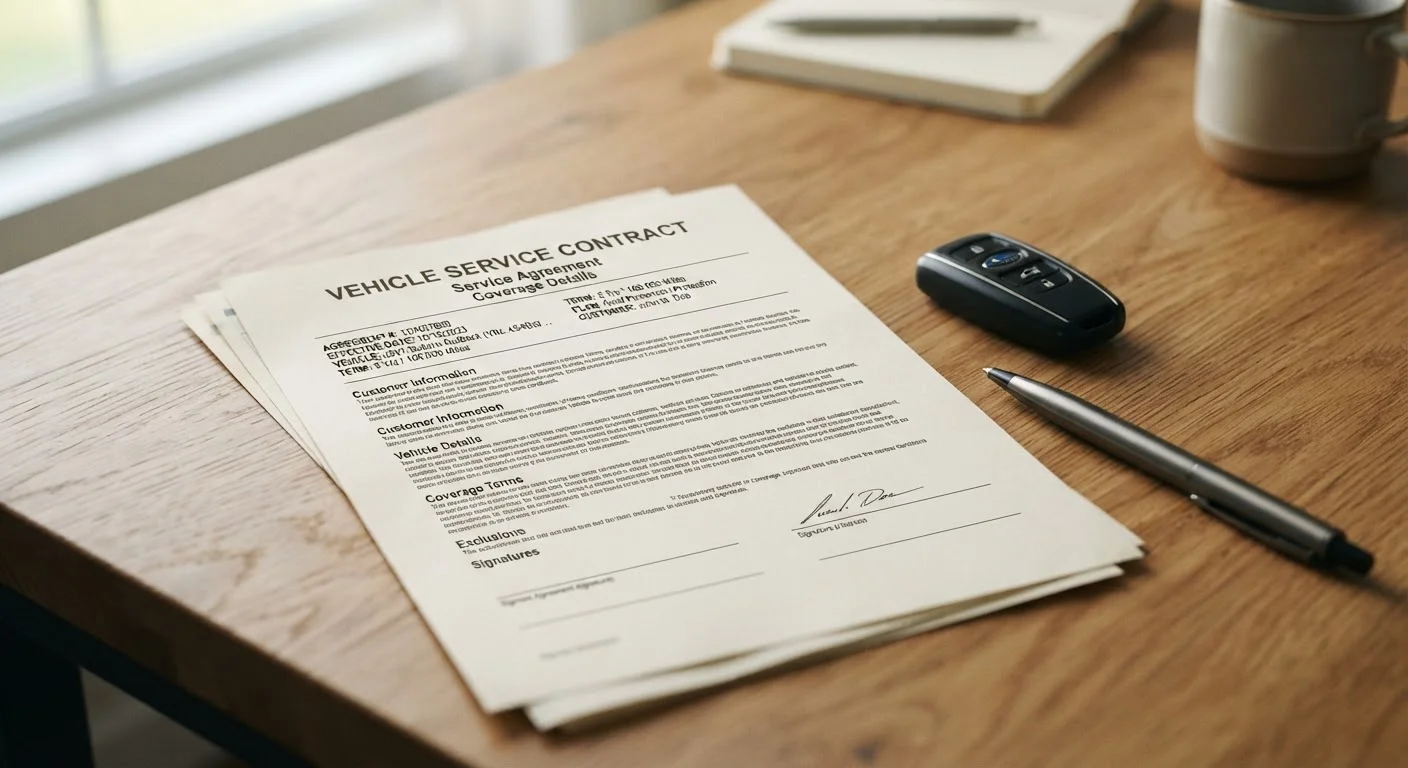
For vehicles with extended warranties or service contracts, the terms can differ significantly from factory coverage. Our breakdown of extended warranties and service contracts explains what to look for in the fine print.
Long-Term Cost: Where the Real Calculation Lives
Upfront price is only one dimension of cost. A lower-priced aftermarket part that requires replacement twice as often ultimately costs more than a pricier OEM component that lasts the life of the vehicle. Labor is often the largest line item in any repair, so a part that fails prematurely doubles your labor costs as well — not just your parts cost. Our guide to mechanic labor rates explains why that labor cost varies by shop type.
20–60%
Typical OEM price premium over aftermarket
Industry estimates from repair trade publications suggest OEM parts commonly carry a 20–60% price premium over comparable aftermarket alternatives, though the gap varies by part type and vehicle make.
~70%
Share of collision repairs using aftermarket parts
The Automotive Body Parts Association has indicated that a significant majority of collision repairs in the U.S. involve at least some aftermarket components, reflecting their widespread acceptance in the repair industry.
For older vehicles where the total car value is modest, this calculus can tilt differently. If the vehicle is worth less than the cost of premium repairs, quality aftermarket parts may represent a more rational allocation of funds. Classic vehicle owners face a related but distinct challenge — OEM parts for discontinued models often simply don't exist, making aftermarket sourcing the only practical path. Thinking about parts costs in the context of total ownership expenses is explored further in our total cost of ownership overview.