
How Charging Actually Works Day to Day
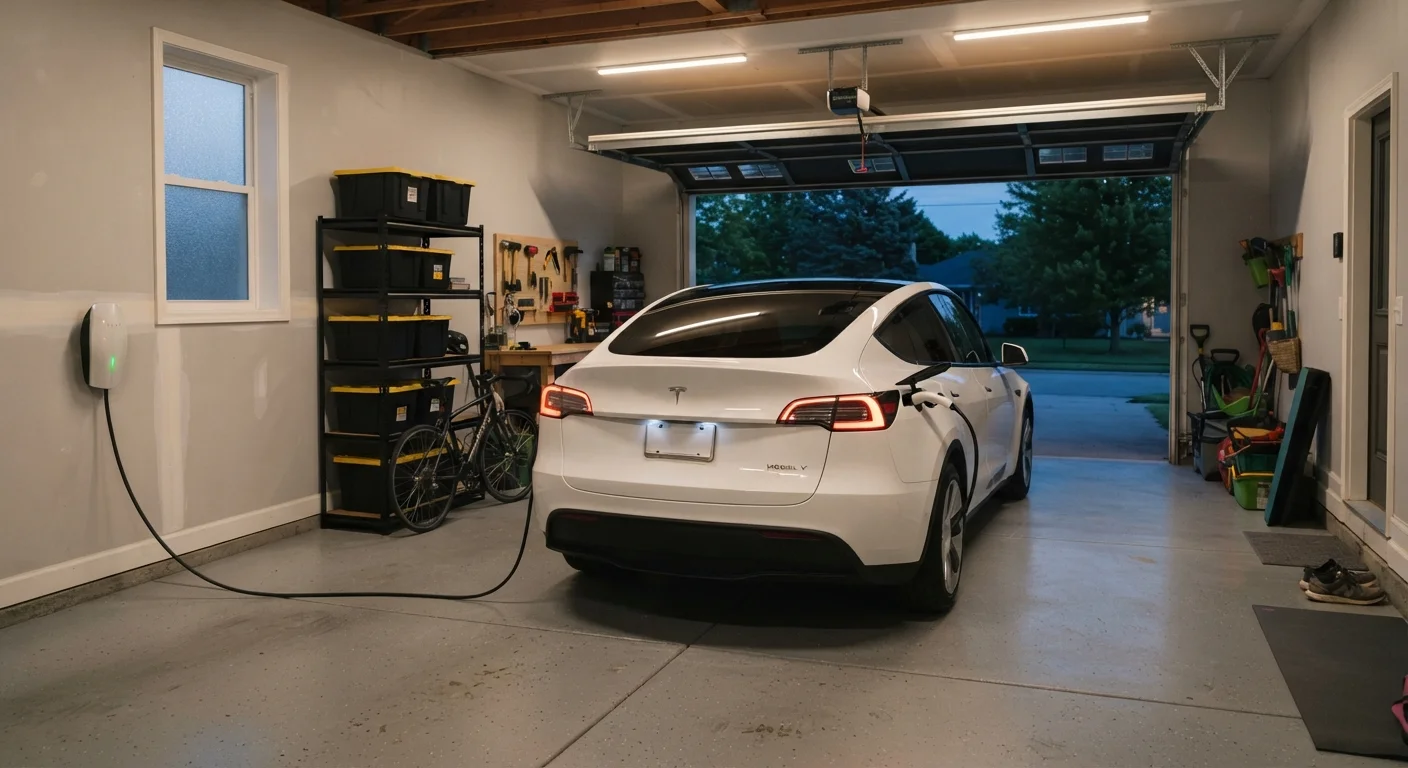
For most EV owners, daily charging happens at home — typically overnight using either a standard 120-volt household outlet (Level 1) or a dedicated 240-volt Level 2 charger. Level 1 adds roughly 3–5 miles of range per hour, which works for low-mileage commuters but can fall short if you regularly drive 50-plus miles daily. Level 2 equipment, which requires professional installation, adds approximately 20–30 miles per hour of charging and is the practical standard for home use.
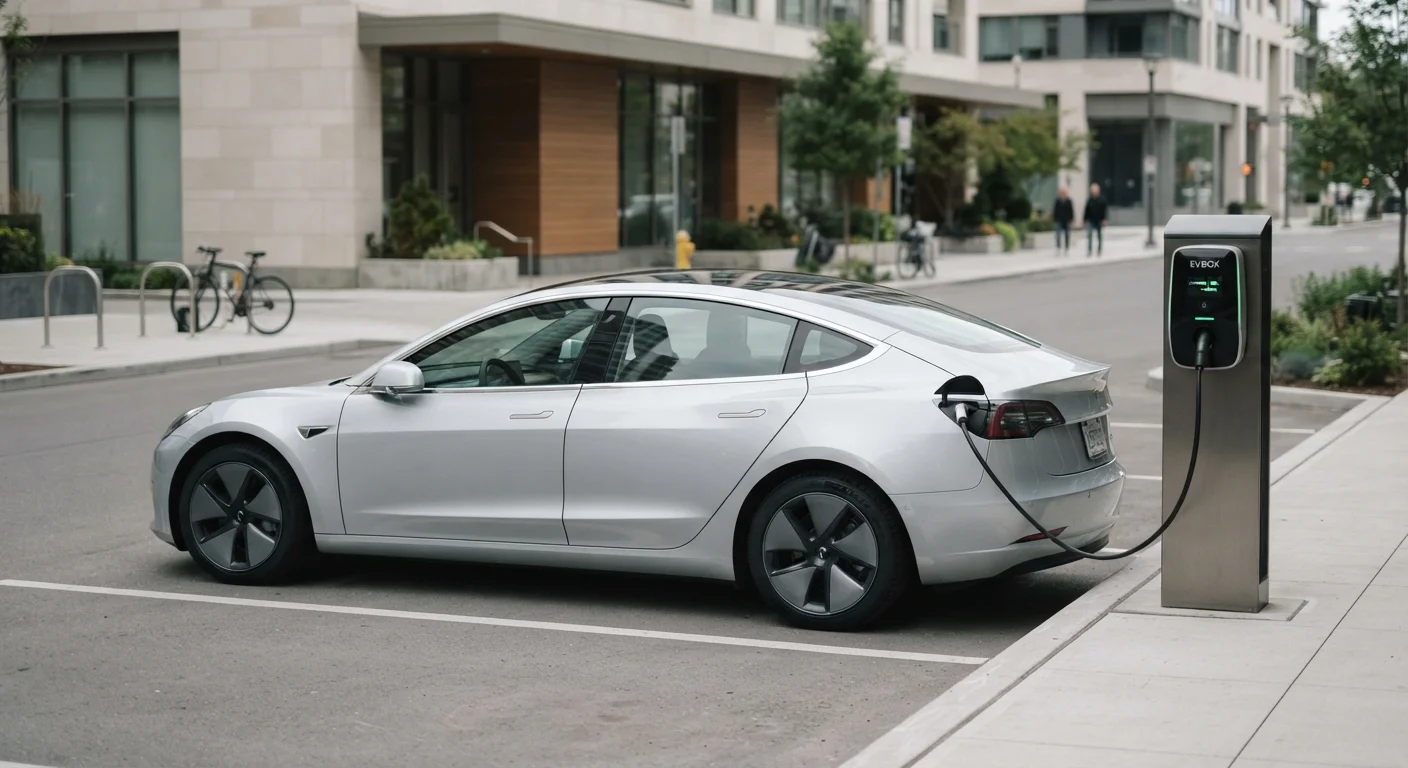
Public DC fast chargers — sometimes called Level 3 — can add significant range in 20–45 minutes depending on the vehicle and charger output. However, access varies considerably by region, and high-demand locations can involve wait times. Understanding the core technology behind EVs helps clarify why charging speed varies between vehicles and charger types.
Renters and apartment dwellers face a genuine challenge: without a dedicated parking space and landlord cooperation, consistent home charging may not be feasible. This is one of the most important practical factors to evaluate before purchasing.
Range in the Real World
Manufacturers and regulators publish estimated range figures, but real-world results depend on variables the official tests don't fully replicate. Cold weather is the most significant factor — battery chemistry is sensitive to temperature, and range can drop 20–40% in freezing conditions. Running the cabin heater compounds this effect because EVs don't generate waste engine heat the way combustion vehicles do.
20–40%
Range reduction in freezing temperatures
Testing by organizations including AAA has found that cold weather can reduce EV range by 20–40% compared to moderate conditions.
~80%
EV owners who primarily charge at home
U.S. Department of Energy data consistently shows that the large majority of EV charging sessions occur at the owner's residence rather than at public stations.
Level 2
Most common home charging standard
240-volt Level 2 chargers are the practical home standard, adding roughly 20–30 miles of range per hour compared to Level 1's 3–5 miles per hour.
Highway driving at sustained high speeds also reduces range faster than city driving — the opposite of how many drivers instinctively expect. Regenerative braking, which recaptures energy during deceleration, makes stop-and-go traffic relatively efficient for EVs. Payload, roof racks, and terrain all play roles as well. This mirrors the gap between official and real-world figures found in conventional vehicles, a dynamic explored in our piece on why fuel economy figures are estimates.
Practically, most drivers adapt by maintaining a comfortable buffer — say, planning routes that don't push the battery below 20% — rather than relying on maximum advertised range.
Advantages of EV Ownership
Electric vehicles carry genuine practical advantages that accumulate meaningfully over time. Charging at home during off-peak hours often costs less per mile than gasoline, though actual savings depend on local electricity rates and driving habits. Routine maintenance is reduced because EVs have no oil changes, fewer brake replacements (thanks to regenerative braking), and simpler drivetrains with fewer wear components.
Lower per-mile fuel cost for many drivers
Charging at home, especially during off-peak hours, typically costs less per mile than gasoline, though this depends on local electricity rates and how much you drive.
Reduced routine maintenance requirements
No oil changes, fewer brake services due to regenerative braking, and a simpler drivetrain mean fewer scheduled service visits over the vehicle's life.
Smooth, responsive performance
Electric motors deliver torque immediately, producing linear, quiet acceleration that many drivers find more pleasant than a combustion engine's power curve.
Home charging is convenient for daily commuters
Waking up to a full charge every day eliminates routine gas station stops, which adds up to meaningful time savings for predictable commuters.
Zero tailpipe emissions during operation
For drivers concerned about local air quality or environmental impact, EVs produce no direct exhaust emissions, though the overall emissions picture depends on the regional electricity grid.
The driving experience also differs in ways many owners find appealing: instant torque delivery produces smooth, responsive acceleration, and the absence of engine noise makes for a quieter cabin. For households evaluating the total cost of ownership, lower fuel and maintenance expenses can partially offset a higher purchase price over several years.
Drawbacks and Practical Limitations
EV ownership introduces friction points that gas vehicle drivers don't encounter. Long-distance travel requires deliberate charging stops — not a dealbreaker, but a different kind of trip planning than pulling into any gas station. Public charging networks are expanding, but reliability and speed remain inconsistent in many parts of the country.
Long-distance travel requires deliberate planning
Road trips must account for charging stop locations, charger availability, and added time — a fundamentally different experience from refueling a gas vehicle in minutes at any highway exit.
Home charging not accessible for everyone
Apartment renters, condo owners, and those without dedicated parking may lack a reliable way to charge at home, making EV ownership significantly more complicated.
Range declines in cold weather
Battery performance degrades in low temperatures, with some vehicles losing 20–40% of their rated range in freezing conditions — a serious consideration in northern climates.
Public charging reliability is inconsistent
While networks are expanding, non-functioning chargers, speed limitations, and wait times at busy stations remain real-world friction points depending on region.
Higher upfront purchase price on many models
EVs often carry a higher sticker price than comparable gas vehicles, and while total cost of ownership may balance over time, the initial outlay can be a barrier.
Battery degradation affects long-term range
Lithium-ion batteries gradually lose capacity over years and charging cycles, potentially reducing available range — and battery replacement remains a significant cost if needed outside warranty.
Battery degradation is another long-term consideration. Lithium-ion batteries lose some capacity over years of cycling, meaning the range available to a five-year-old EV may be somewhat less than when new — though most manufacturers offer battery warranties. Replacement costs remain high, though prices have been declining. If you're comparing EV ownership against alternatives, our overview of hybrid and plug-in hybrid options covers how those technologies bridge some of these gaps.
Battery Warranty Coverage Varies
Most EV manufacturers offer separate battery warranties — commonly 8 years or 100,000 miles — that cover significant capacity loss. Coverage terms, thresholds, and what qualifies as a warrantable defect differ by manufacturer. Review the specific warranty documentation for any vehicle you're considering, and factor this into long-term ownership calculations.
Before You Decide: What to Evaluate
The single most important question is whether your home situation supports reliable charging. If yes, EV ownership becomes considerably more practical. If not, the public charging network needs to serve your routine — which it may or may not do adequately depending on where you live and work.
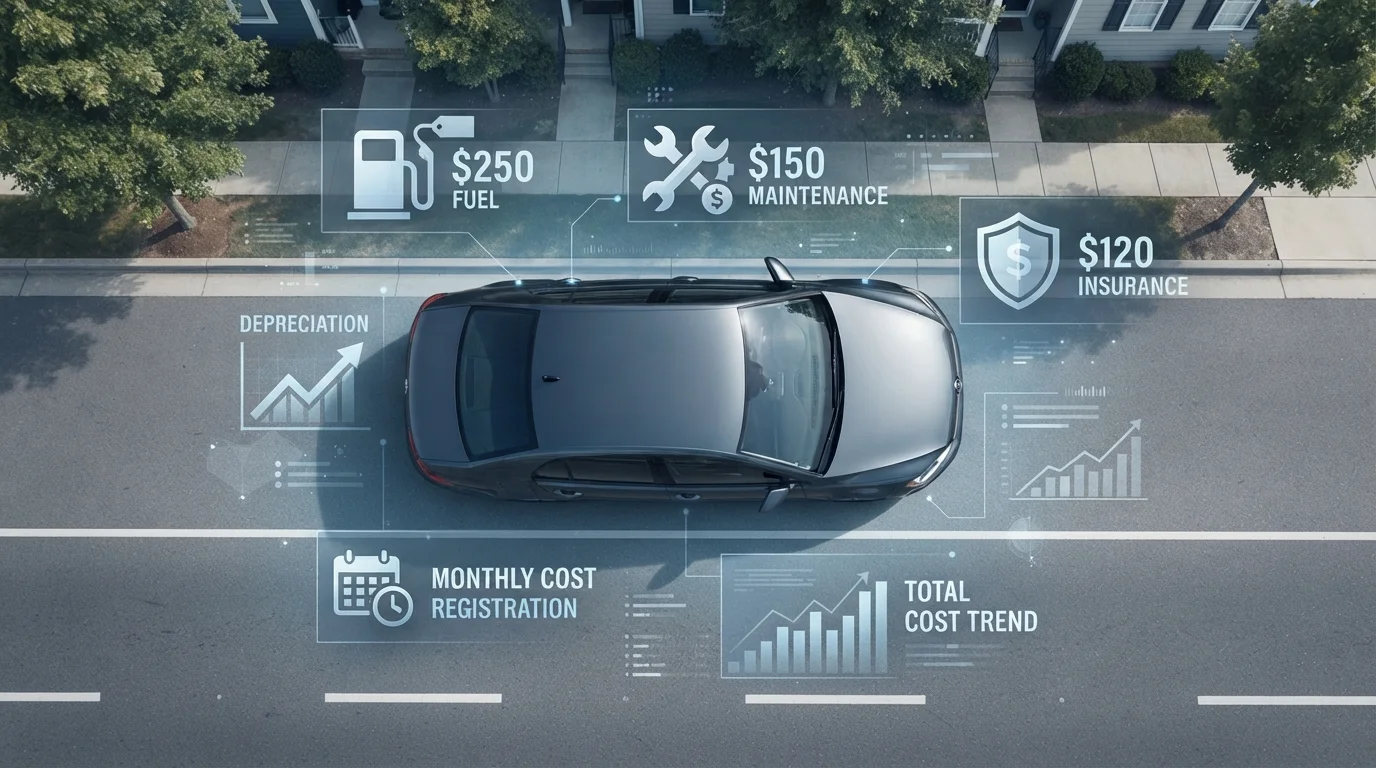
Beyond charging, evaluate your typical driving patterns. If most days are within 100 miles and occasional long trips are manageable with planning, an EV likely fits. If you regularly drive long distances spontaneously or in regions with sparse charging infrastructure, the friction is higher. A structured approach to vetting the full picture — reliability data, resale values, insurance costs — is covered in our guide on researching a car before you buy.
EV ownership is neither universally superior nor inherently impractical. It's a different mode of vehicle ownership that fits some lifestyles well and others less so.