

How Each Method Works
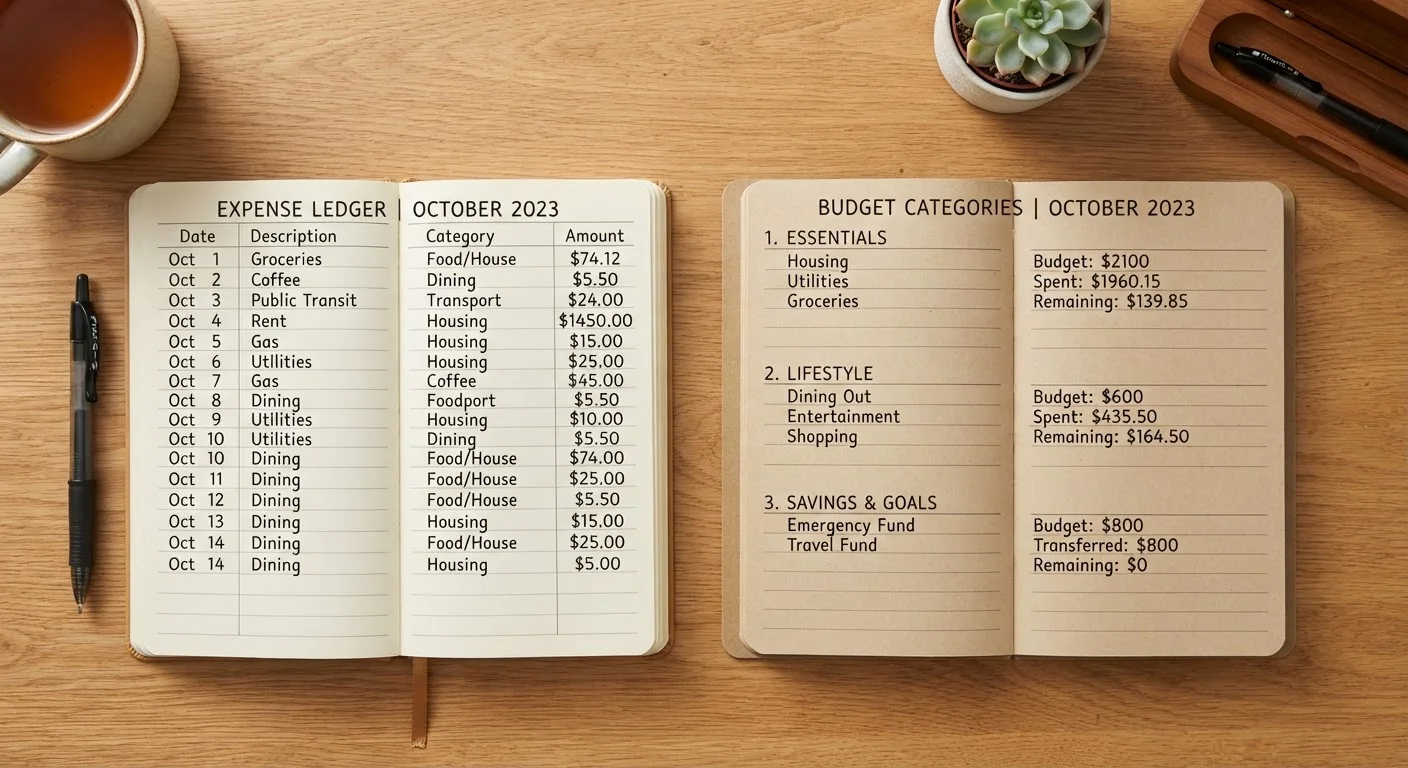
Zero-based budgeting starts with your total monthly income and requires you to allocate every dollar to a specific category — housing, groceries, utilities, savings, debt payments, and so on — until the balance reaches zero. This doesn't mean spending everything; it means every dollar has an assigned purpose, including money directed toward savings or an emergency fund. The process is typically repeated from scratch at the start of each month.
The 50/30/20 rule, a framework popularized in personal finance literature, divides after-tax income into three buckets: roughly 50% toward needs (housing, utilities, food, transportation), 30% toward wants (dining out, entertainment, subscriptions), and 20% toward savings and debt repayment. There's no line-by-line tracking — just a high-level check that your spending falls within each percentage band.
For a deeper look at how these frameworks fit into a broader savings strategy, see savings strategies worth knowing.
| Criterion | Zero-Based Budgeting | 50/30/20 Rule |
|---|---|---|
| Setup time | 30–60 minutes per month | Under 15 minutes |
| Ongoing tracking | Line-by-line, ongoing | Category-level checks |
| Flexibility with income changes | High — rebuilt each month | High — percentages scale automatically |
| Visibility into spending | Very detailed | Broad overview only |
| Best income type | Variable or irregular | Stable, predictable |
| Learning curve | Moderate to steep | Low |
| Savings intentionality | Explicitly assigned | 20% target, less granular |
Where Each Method Excels — and Falls Short
Zero-based budgeting's main strength is visibility. By accounting for every dollar, you're far more likely to notice a forgotten subscription, a creeping grocery bill, or money that previously vanished without explanation. Research on financial behavior consistently suggests that awareness of spending is a key driver of behavior change. The trade-off is time: building a zero-based budget properly can take 30 to 60 minutes each month and requires ongoing transaction tracking.
The 50/30/20 rule trades granularity for simplicity. Because it uses percentages rather than fixed dollar amounts, it scales naturally with income changes. However, the broad category definitions can mask problems — technically staying within 50% on "needs" while still spending unwisely on individual items. High cost-of-living areas can also make the 50% needs target difficult to hit without squeezing other categories.
The 50/30/20 Rule in High-Cost Areas
In cities where housing alone can consume 40% or more of take-home pay, fitting all needs into 50% becomes challenging. If your cost of living makes the standard percentages unrealistic, consider adjusting the ratios — for example, 60/20/20 — while keeping the underlying logic intact. The percentages are a starting guide, not a fixed rule. Tracking actual spending for one month first can help you set realistic targets for your specific situation.
If rigidity is a concern, explore the honest trade-offs of strict budgeting before committing to either approach.
Choosing the Right Framework for Your Situation
The most effective budgeting method is ultimately the one you'll sustain. Zero-based budgeting tends to suit those with variable income — freelancers, hourly workers, or anyone whose monthly cash flow shifts — because it demands a fresh assessment each period. It's also valuable for households actively working to pay down debt or build an emergency fund quickly, since it maximizes intentionality around every dollar.
The 50/30/20 rule works well for salaried earners with predictable expenses who want a framework that doesn't require weekly maintenance. It's a strong starting point for anyone new to budgeting. If you're building your first spending plan, this plain-English guide to building a monthly budget from scratch walks through the process step by step. You can also use the monthly budget setup checklist to make sure nothing is missed before you lock in your plan.
~33%
Americans with a detailed household budget
Gallup polling has found that roughly one-third of U.S. adults report maintaining a detailed household budget, suggesting most people manage finances without a formal system.
20%
Savings and debt target in the 50/30/20 framework
The 50/30/20 rule dedicates a full fifth of after-tax income to building savings and reducing debt, a meaningful target for long-term financial stability.
Whichever method you choose, the most common pitfall is abandonment. Understanding why budgets fail within three months can help you anticipate and avoid the habits that derail progress.
This article is for general informational purposes only and does not constitute personalized financial advice. Consider consulting a licensed financial professional for guidance tailored to your individual circumstances.