

Why Credit History Matters
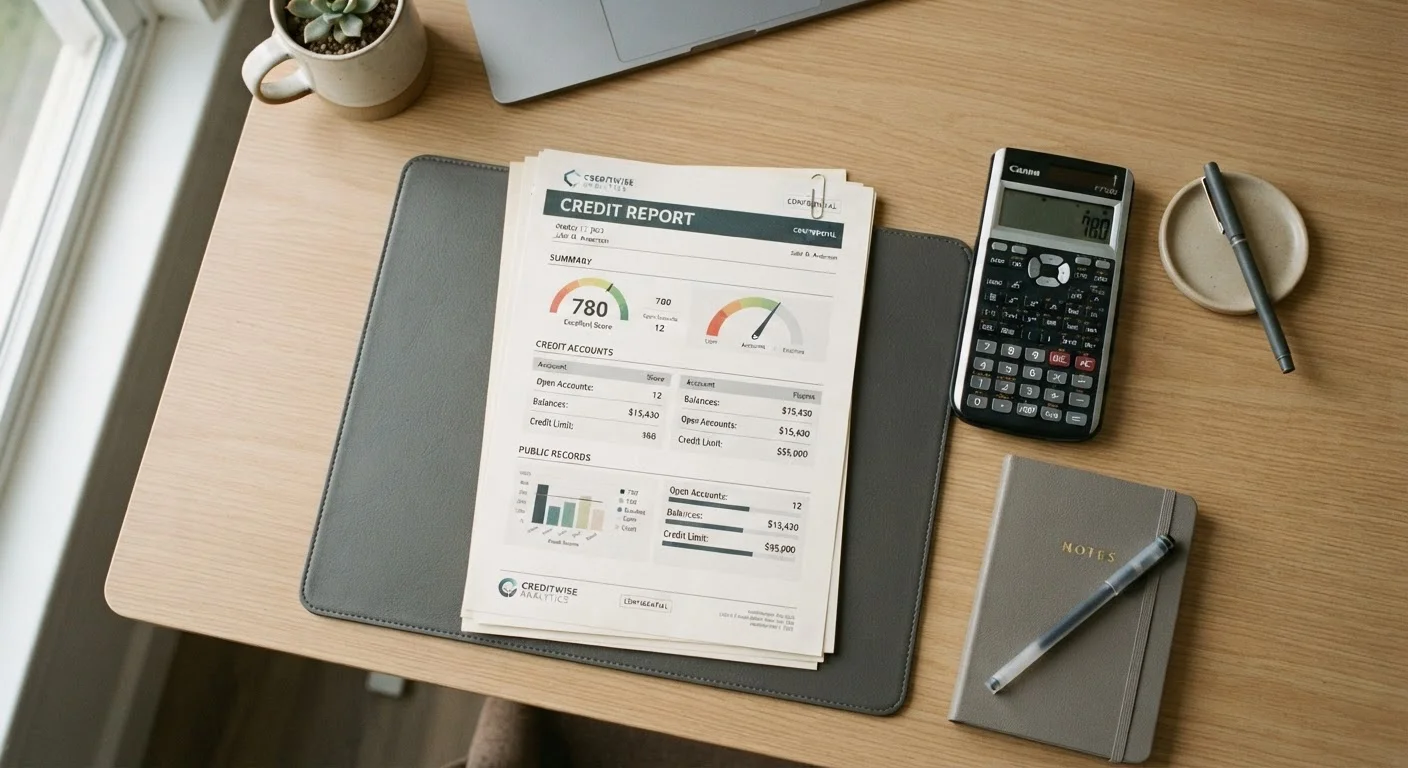
A credit history is essentially a track record that lenders, landlords, and sometimes employers use to gauge how reliably a person manages financial obligations. In the US, this record is maintained by three major credit bureaus — Equifax, Experian, and TransUnion — and is summarized into a credit score that typically ranges from 300 to 850.
Having no credit history — sometimes called being "credit invisible" — is not the same as having bad credit, but it creates a practical problem: without any track record, most lenders have no basis for extending credit. The result is that common financial milestones, such as renting an apartment, financing a car, or qualifying for a personal loan, become harder or more expensive to navigate.
Building a credit profile from scratch is a solvable problem. It takes time and consistent behavior, but the path is well-defined. Pairing this effort with a solid budgeting foundation will set you up even more effectively — see our guide to building your first monthly budget for a complementary starting point.
How Credit Scores Are Built
Credit scores are calculated from the information in your credit report. The FICO score, the most widely used model in US lending decisions, weighs five categories:
- Payment history (35%): Whether you pay on time is the single largest factor.
- Amounts owed / credit utilization (30%): How much of your available credit you're currently using.
- Length of credit history (15%): The age of your oldest and newest accounts, and the average age across all accounts.
- Credit mix (10%): Whether your file includes different types of accounts (revolving credit, installment loans).
- New credit (10%): Recent applications for new credit, each of which may trigger a hard inquiry.
For someone starting from zero, the first two factors are the most actionable. Paying on time and keeping balances low relative to your credit limit are the highest-leverage behaviors in the early stages of building a profile.
Credit utilization ratio
The percentage of your total available revolving credit that you're currently using. A lower ratio generally signals responsible borrowing to lenders.
Hard inquiry
A credit check triggered when you apply for new credit. It may cause a small, temporary dip in your score and remains on your report for up to two years.
Secured credit card
A credit card backed by a cash deposit you provide upfront. It functions like a regular card but is easier to qualify for when you have no credit history.
Credit-builder loan
A loan designed specifically to help people establish credit. The borrowed amount is held in a savings account while you make payments, which are reported to credit bureaus.
Credit invisible
A term used to describe someone who has no credit file at the three major bureaus — meaning lenders have no record on which to base a lending decision.
Authorized user
A person added to someone else's credit card account who can use the card but is not legally responsible for the debt. Their credit report may reflect the account's history.
First Tools for Establishing Credit
When you have no credit history, only a handful of products are realistically accessible. These are the most practical starting points:
Secured Credit Cards
A secured card requires a cash deposit — typically $200 to $500 — that usually becomes your credit limit. The deposit protects the issuer, which is why approval criteria are more flexible. Use the card for small, routine purchases and pay the full balance each month. The activity is reported to the credit bureaus just like a regular card.
Credit-Builder Loans
Offered by many credit unions and community development financial institutions, a credit-builder loan works in reverse from a conventional loan: the lender holds the borrowed amount in a secured account while you make monthly payments. Once the loan is paid off, you receive the funds. The payment history is reported to the bureaus, building your profile over the loan term.
Becoming an Authorized User
If a family member or trusted person with good credit adds you as an authorized user on their account, that account's history may appear on your credit report. This approach carries no risk to you financially, though it does depend on the primary cardholder's behavior — their late payments can affect your report too.
Confirm Bureau Reporting Before Applying
Not every secured card or credit-builder product reports to all three major credit bureaus. Before opening any account for the purpose of building credit, confirm that the issuer reports to Equifax, Experian, and TransUnion. An account that isn't reported won't help your credit file, regardless of how responsibly you use it.
Habits That Help Your Profile Grow
Opening the right account is just the beginning. The behaviors you maintain over the following months and years are what actually build a strong credit file.
- Pay on time, every time. Even one missed payment can have a disproportionate negative effect on a thin file. Setting up autopay for at least the minimum payment is a reliable safeguard.
- Keep utilization low. Aim to use no more than 30% of your credit limit at any point in the billing cycle — lower is generally better. If your limit is $300, try to keep your balance below $90.
- Avoid unnecessary applications. Each credit application can trigger a hard inquiry. In the early stages, opening one account and demonstrating reliability is more valuable than accumulating several accounts quickly.
- Monitor your report regularly. You're entitled to free credit reports from each bureau. Reviewing them periodically helps you spot errors or unfamiliar accounts, both of which can affect your score.
Once your profile is more established, it's worth reading about common credit score myths that can lead people to make counterproductive decisions.
Common Early Mistakes to Avoid
The credit-building process is straightforward, but a few missteps can slow progress significantly.
Applying for Multiple Cards at Once
Each application generates a hard inquiry. Submitting several applications in a short period signals risk to lenders and can temporarily lower an already thin score. Choose one product carefully and give it time to work.
Maxing Out a Secured Card
Even if you pay it off, repeatedly carrying a balance close to your limit pushes your utilization ratio high. Lenders reviewing your report see a snapshot of your balance at the time of reporting, not just your final payment.
Ignoring the Account Entirely
Inactivity can lead issuers to close accounts, which removes available credit from your profile. Small, regular charges — even just one per month — keep the account active.
Before taking on any new debt beyond your starter account, it is worth asking yourself some honest questions about readiness. Our article before you take on new debt offers a useful self-assessment framework.
This article is for general informational and educational purposes only and does not constitute personalized financial or credit advice. Individual results will vary. Consider consulting a qualified financial professional for guidance specific to your situation.