

Why This Checklist Matters Before You Borrow
Debt is a financial tool. Like any tool, its value depends entirely on how — and whether — it's used appropriately. A mortgage can build equity; a high-interest personal loan for discretionary spending can set a household back years. The difference often comes down to the questions you ask before borrowing, not after.
This checklist is designed to help you pause and think clearly before committing to any new debt obligation — whether that's a credit card, auto loan, personal loan, or financing offer. It won't make the decision for you, but it will surface the questions that matter most. Work through it honestly, ideally alongside your monthly budget so you're grounded in real numbers.
Focus on Total Cost, Not Just Monthly Payments
Lenders and financing offers often emphasize the monthly payment because a smaller number feels more manageable. However, a low monthly payment spread over a longer term can result in significantly more interest paid overall. Always calculate the full repayment amount — principal plus all interest and fees — before agreeing to any loan terms. This is one of the most important numbers in any borrowing decision.
What You'll Need to Work Through This Checklist
Before you begin, gather a few key items so your answers are based on fact, not estimates. Having this information at hand will make the process faster and more useful.
Recent pay stubs or income statements
Used to verify your actual monthly take-home income for cash flow calculations.
Current monthly budget or expense tracker
Needed to confirm whether a new payment fits your existing spending plan.
Most recent credit report
Allows you to check your credit standing and verify accuracy before applying for new credit.
Statements for all current debts
Required to calculate your current debt-to-income ratio accurately.
Loan offer documents or term sheets
Used to review APR, fees, repayment period, and total cost of borrowing.
Calculator or spreadsheet
Helps compute total repayment amounts, monthly payment impact, and debt-to-income ratios.
The Checklist: Questions to Ask Before Taking on New Debt
Work through each group in order. The earlier groups address foundational readiness; the later ones get into the specifics of the loan or credit product itself. If you find yourself hesitating on several items in the first two groups, that's meaningful information worth sitting with before proceeding.
Budget & Cash Flow Readiness
Purpose & Necessity of the Debt
Understanding the Full Cost of Borrowing
Your Credit & Existing Debt Load
Risk & Repayment Scenarios
Borrowing Under Emotional or Time Pressure
Some of the most costly borrowing decisions are made under urgency — a limited-time offer, a stressful life event, or social pressure. If you feel rushed to decide, that is itself a signal to slow down. A legitimate lender will not penalize you for taking a few days to review terms and run your own numbers. Decisions made under pressure tend to skip the steps in this checklist that matter most.
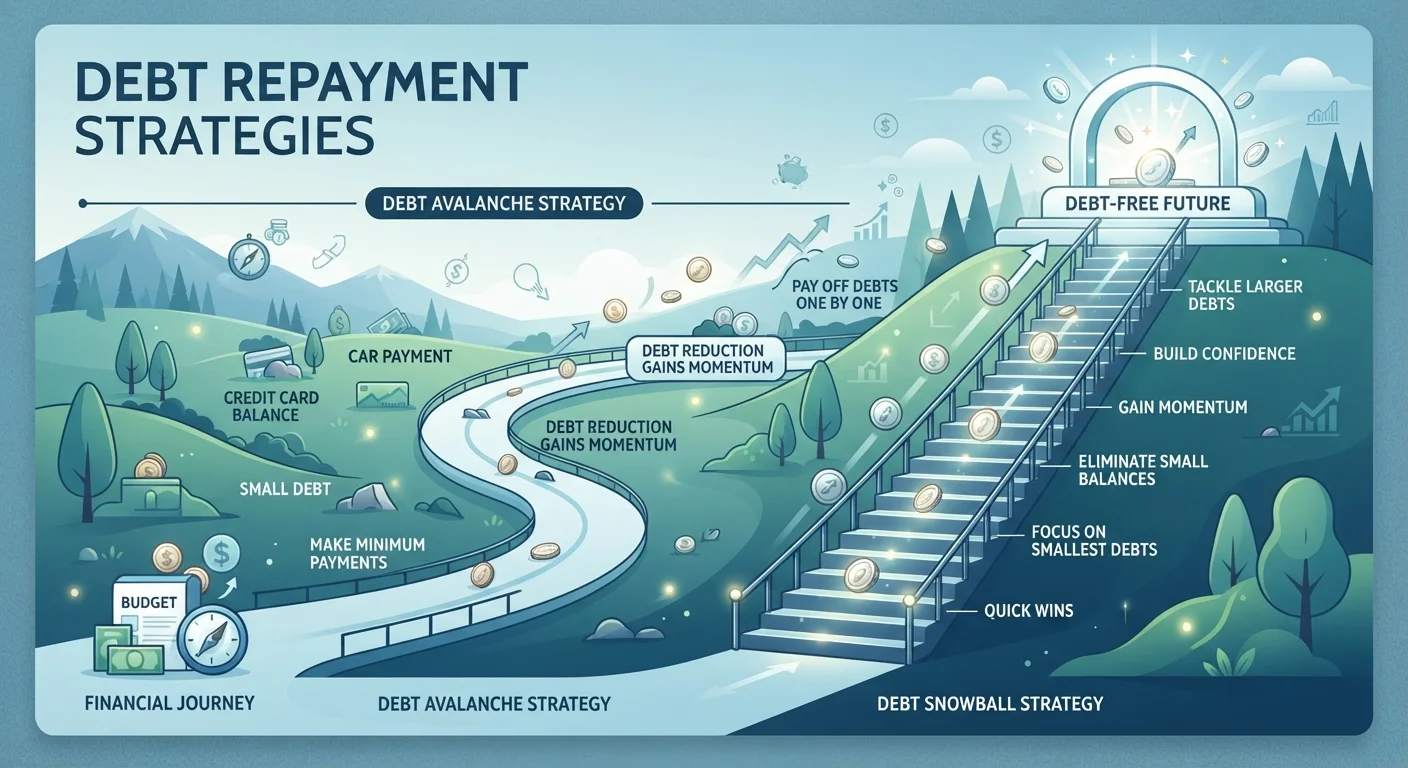
If you're carrying significant existing balances, it's worth reading about debt payoff strategies before layering on additional obligations. And if you're considering debt consolidation specifically, compare your options — personal loans and credit cards carry meaningfully different structures and costs.
For readers building credit for the first time, the questions in this checklist may highlight gaps worth addressing first. See our practical guide to building credit from zero before pursuing credit products with unfavorable terms.
This article is for general informational and educational purposes only. It does not constitute personalized financial, legal, or tax advice. Consult a qualified financial professional before making decisions about borrowing or debt management specific to your situation.