
What a Credit Report Actually Contains
A credit report is a structured record of your credit history, compiled by one of the three major nationwide credit bureaus: Equifax, Experian, and TransUnion. Each bureau maintains its own version of your report, and the data can differ slightly between them — which is why reviewing all three matters.
The report is not a score. Credit reports and credit scores are two distinct things — the report is the raw record; the score is a calculation derived from it. Understanding what each section of the report contains helps you catch errors, understand how lenders see you, and respond to any negative entries strategically.
Personal Information Section
The first section of a credit report is identifying data — your full legal name, current and past addresses, date of birth, Social Security number (partially masked), and sometimes employer information. This section is not used in credit scoring, but it is critical for identity verification.
Review this section carefully for names you don't recognize, addresses where you've never lived, or employers you've never worked for — these can signal identity theft or a mixed file (where another consumer's data has been merged into your report).
Accounts Section: The Core of Your Report
The accounts section — sometimes labeled "tradelines" — is the most substantive part of your report. It lists every credit account associated with you: credit cards, mortgages, auto loans, student loans, and other installment or revolving accounts. For each account, the report typically shows:
- Creditor name and account number (partially masked)
- Account type (revolving, installment, open)
- Date opened and current status (open, closed, paid)
- Credit limit or original loan amount
- Current balance
- Payment history — usually a month-by-month grid showing on-time, late, or missed payments
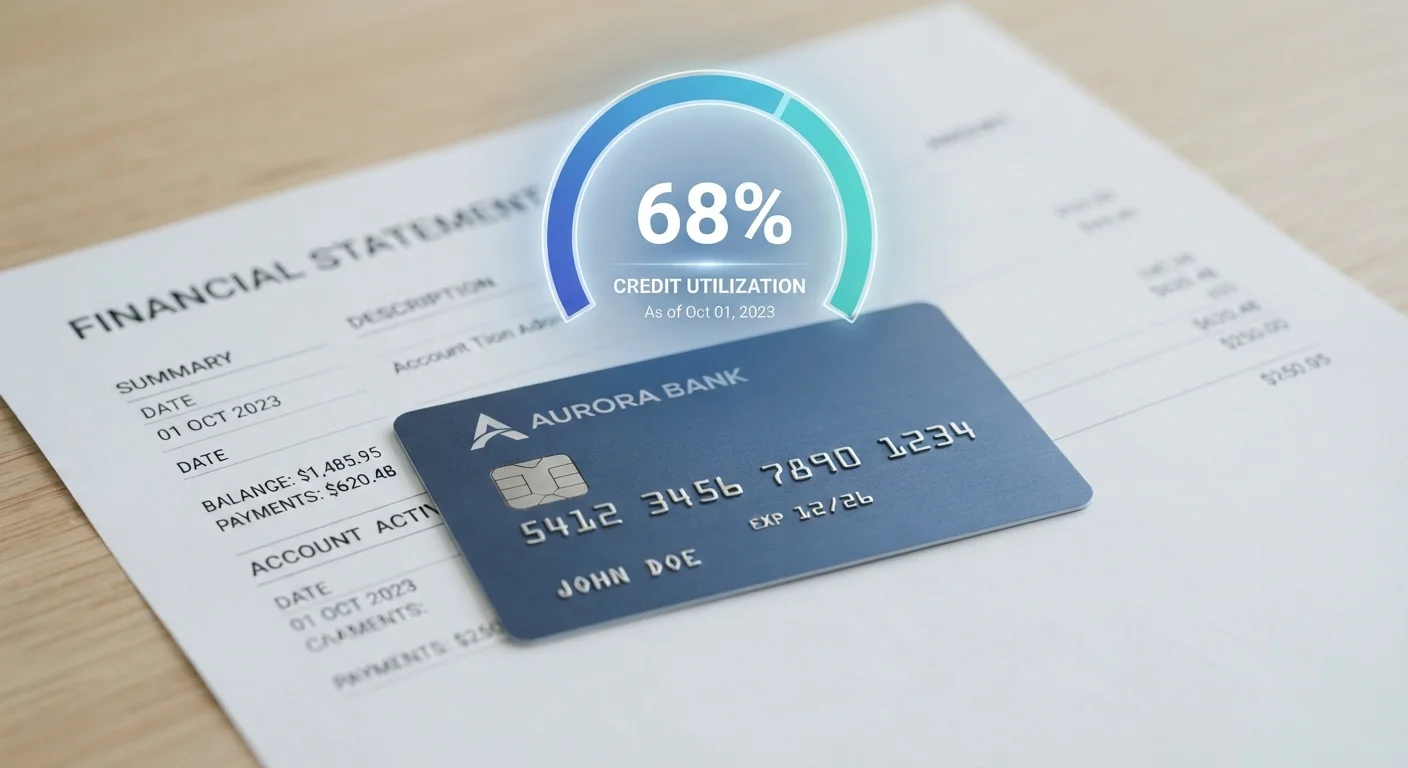
Payment history is the single most influential factor in most credit scoring models. A 30-day late payment can remain on your report for up to seven years from the original delinquency date. Credit utilization — the share of revolving credit you're using — is also visible here through your balances relative to your limits.
Inquiries Section: Hard vs. Soft
The inquiries section records who has accessed your credit report and why. There are two types:
- Hard inquiries occur when you apply for new credit — a lender pulls your report as part of an application decision. These appear on your report and can modestly affect your score. They typically remain visible for two years.
- Soft inquiries occur for background checks, pre-approval screenings, or when you check your own report. They do not affect your score.
Understanding the difference between hard and soft inquiries matters when you're planning to apply for credit. Multiple hard inquiries in a short window for the same loan type (mortgage or auto) are generally treated as a single inquiry by scoring models — a practice known as rate-shopping tolerance.
Public Records and Collections
This section records serious negative events. Historically it included bankruptcies, civil judgments, and tax liens, though the three major bureaus removed most civil judgments and tax lien data from reports in recent years under updated data quality standards. Bankruptcies remain reportable — Chapter 7 bankruptcies for up to 10 years, Chapter 13 for up to 7 years.
A separate collections subsection lists accounts sent to third-party debt collectors. Charge-offs and collections follow a specific timeline, and understanding it helps you know when a negative entry is scheduled to age off your report — generally seven years from the original delinquency date.
This article is for general informational purposes only and does not constitute financial or legal advice. For guidance on your specific credit situation, consult a qualified financial professional.