

What an Emergency Fund Actually Does
An emergency fund functions as a financial shock absorber. When an unexpected expense hits — a layoff, a burst pipe, an unplanned trip to urgent care — having liquid cash on hand lets you respond without reaching for a credit card or draining retirement savings. That distinction matters enormously: high-interest debt taken on during a crisis often lingers long after the original emergency is resolved.
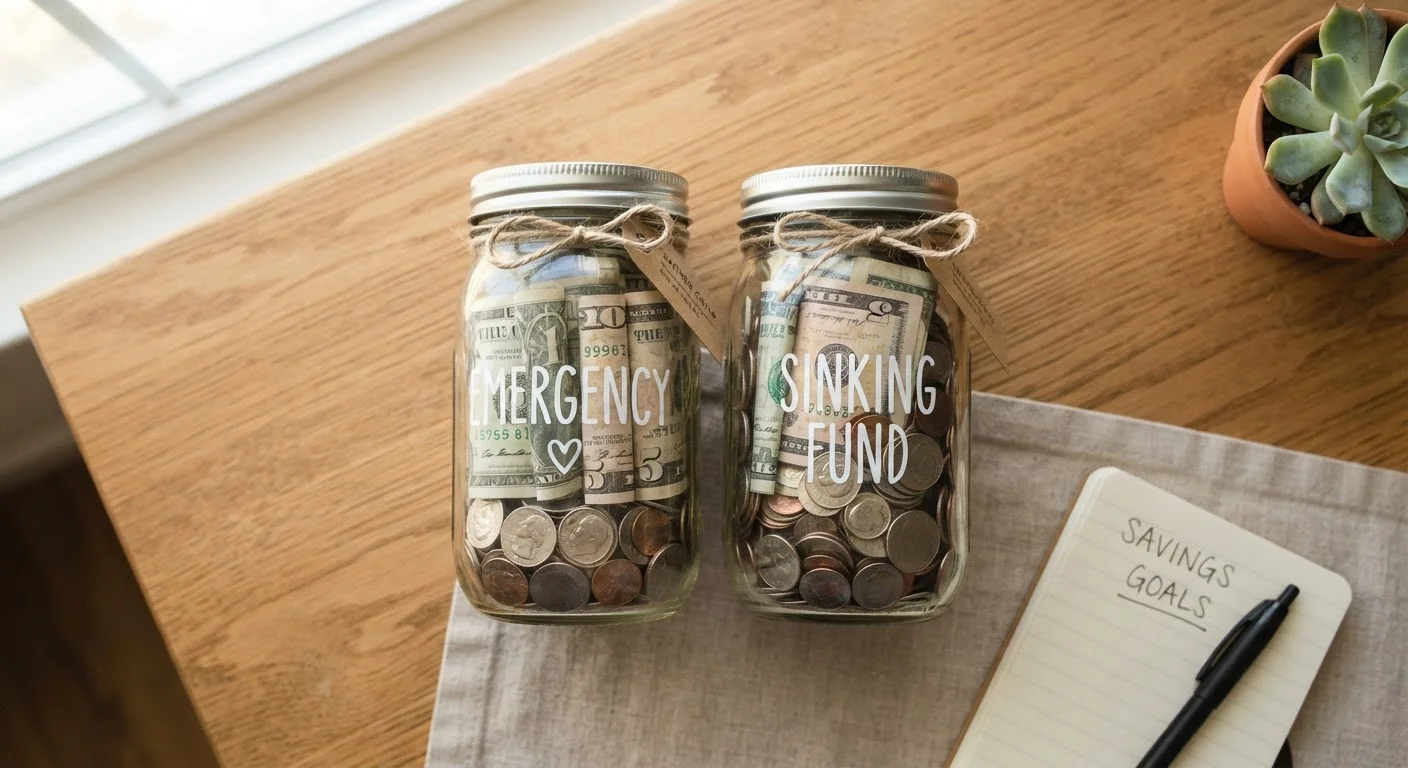
The fund is not a general savings account or a vacation fund. It is a single-purpose reserve. Keeping it mentally and physically separate from your everyday money makes it easier to leave untouched until a real need arises. Many personal finance educators recommend opening a dedicated account at a different institution than your primary checking account — enough friction to discourage casual withdrawals, while still accessible within one to two business days.
For a deeper look at how an emergency fund fits into your broader saving structure, see how sinking funds and emergency funds differ — two tools that are often confused but serve very different roles.
~57%
Americans unable to cover a $1,000 emergency from savings
According to Bankrate's annual emergency savings survey, a majority of U.S. adults would need to borrow or charge a sudden $1,000 expense.
3–6 months
Recommended essential expenses in an emergency fund
This range is the standard guideline cited by major financial education organizations including the Consumer Financial Protection Bureau (CFPB).
$1,000
Suggested starter emergency fund target
Many financial educators recommend a $500–$1,000 initial milestone as a practical first step before tackling other financial goals.
How Much Should You Aim to Save?
The widely cited guideline is three to six months of essential living expenses. Essential expenses means the baseline costs required to keep your household running: rent or mortgage, utilities, groceries, insurance premiums, minimum debt payments, and transportation. It does not mean your full discretionary budget.
Three months is often the starting point for households with stable salaried employment, dual incomes, or strong employer benefits. Six months or more is generally more appropriate for freelancers, self-employed workers, single-income households, or anyone in an industry with historically higher volatility. The logic is straightforward: the less predictable your income, the longer you may need your buffer to last.
Household size and fixed obligations also matter. A single renter with low overhead faces a different calculation than a homeowner with dependents and a mortgage. Running the math on your own essential monthly costs — rather than using a national average — gives you a more actionable target.
Calculate Your Target Using Real Numbers
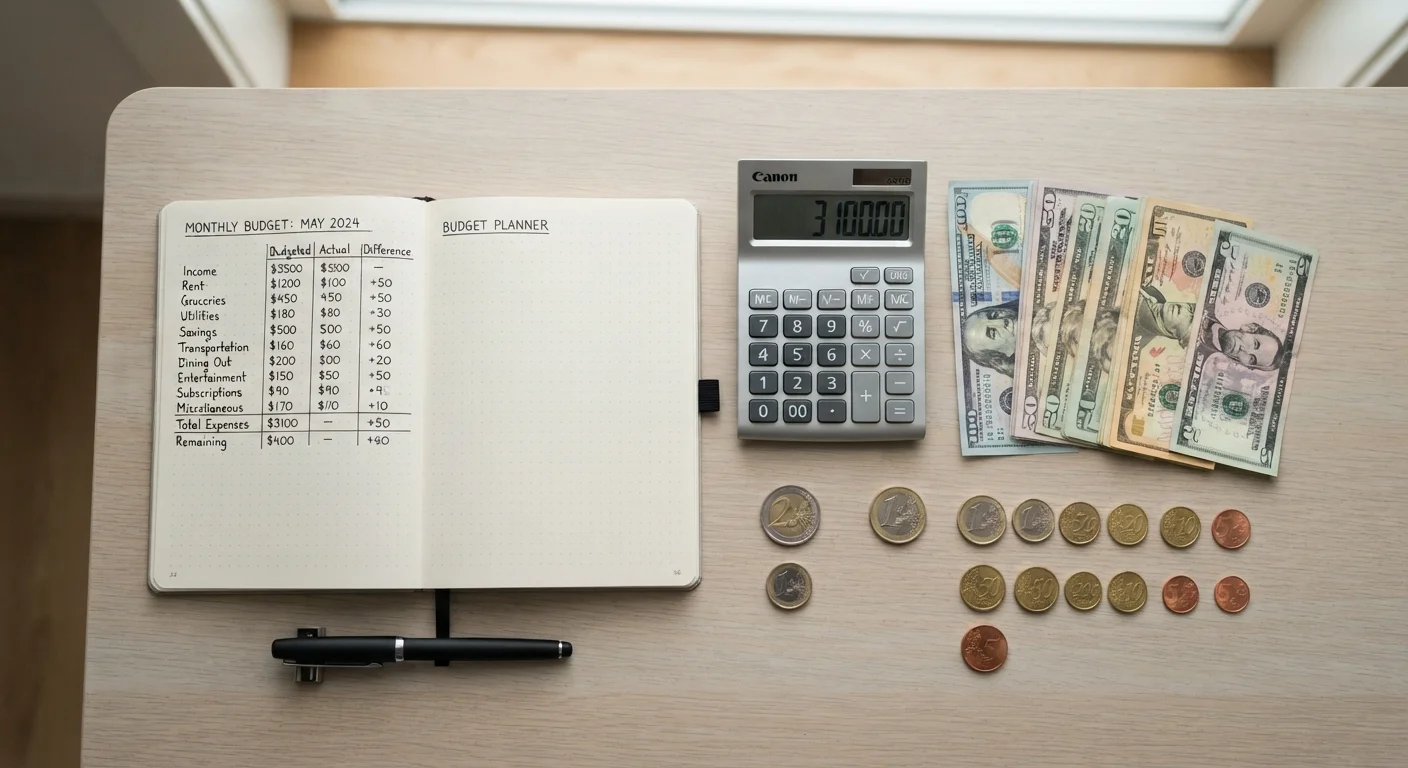
Pull up your last two to three months of bank statements and add up only the non-negotiable costs: housing, utilities, groceries, insurance, minimum debt payments, and transportation. Multiply that figure by three (for a conservative target) or six (for a more protective one). Using your actual numbers rather than an average makes the goal concrete and achievable.
It is worth noting that the "three to six months" rule is a general framework, not a universal prescription. Savings frameworks like the 50/30/20 rule can help you figure out how much of your monthly income can realistically flow toward building this reserve.
Building Your Fund Without Overwhelming Your Budget
Starting small is more effective than waiting for the perfect moment. A starter emergency fund of $500 to $1,000 covers the most common low-level financial shocks — a car repair, a medical copay, a replacement appliance — and provides meaningful peace of mind even before you hit your full target.
Automation is one of the most reliable tools available. Setting up a recurring transfer from your checking account to your emergency fund on payday removes the decision from your monthly routine. Behavioral research consistently suggests that people save more consistently when the action is automatic rather than intentional.
If your income is irregular, saving a percentage of each deposit rather than a fixed dollar amount can be more sustainable. Building a savings plan around real life rather than a theoretical ideal budget is a practical approach that accounts for variable income and uneven months.
Once your emergency fund is fully funded, maintain it as a standing priority — not a goal you check off and forget. Periodic reviews, especially after major life changes like a new job, a move, or a growing household, ensure the fund still reflects your actual expenses.
This article is for general informational and educational purposes only. It does not constitute personalized financial advice. Consult a qualified financial professional for guidance specific to your circumstances.