

How Acute Stress Becomes Chronic
Stress is a normal, even useful biological response. When you face a deadline or a sudden scare, your nervous system activates a cascade of hormones — primarily cortisol and adrenaline — that sharpen focus and mobilize energy. This is the body's acute stress response, and it's meant to be temporary.
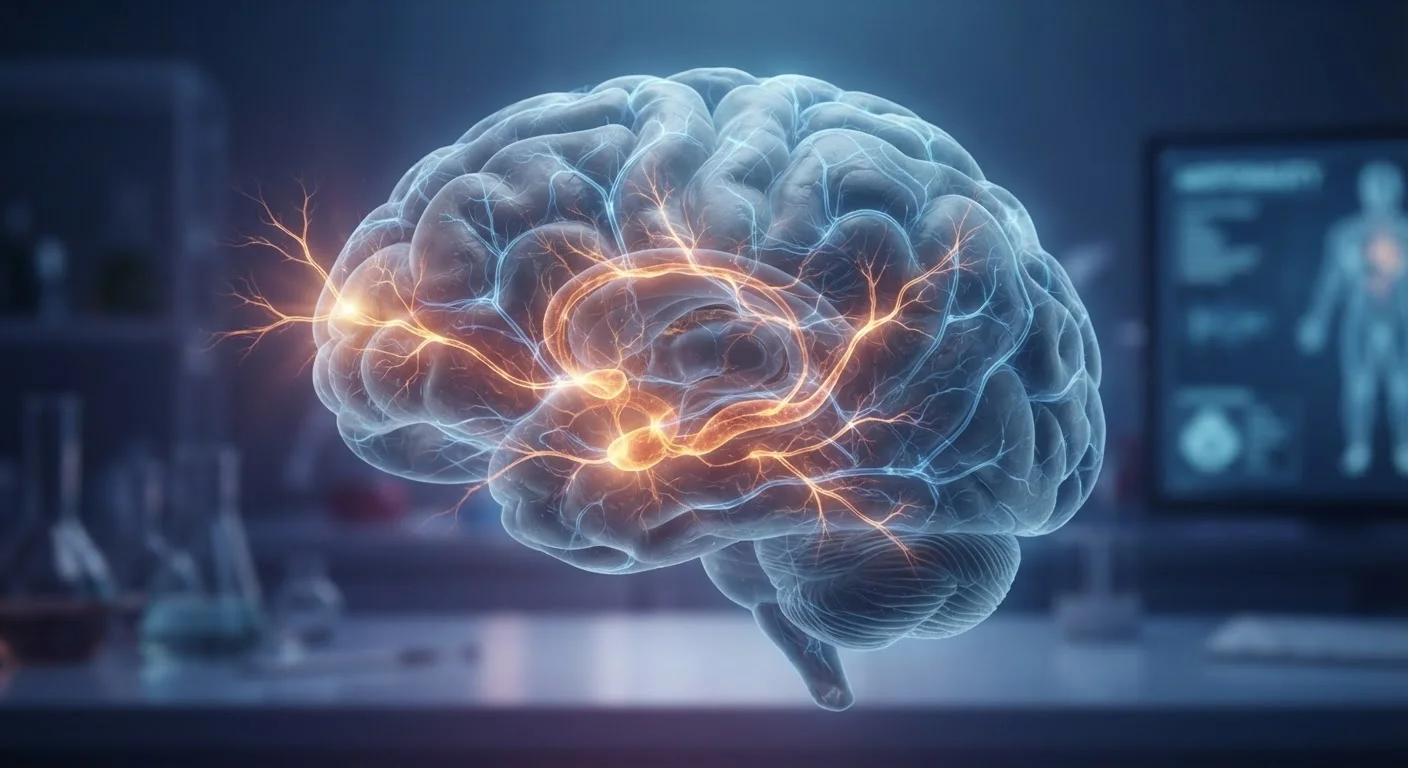
The problem begins when stressors don't resolve. Traffic, financial pressure, relationship conflict, and workplace demands can stack up until the stress response runs nearly continuously. Over time, what was designed as a short-term alarm system stays switched on — and that's when physical and emotional wear begins to compound. Understanding what happens in your brain during stress helps explain why chronic stress can feel so inescapable.
| Primary stress hormones | Cortisol and adrenaline (epinephrine) |
| Chronic stress definition | Stress that persists for weeks or months without adequate recovery (American Psychological Association) |
| Immune impact | Prolonged cortisol elevation suppresses immune cell activity (General endocrinology literature) |
| Burnout recognition | Classified as an occupational phenomenon by the WHO (ICD-11) (World Health Organization, 2019) |
| Sleep disruption link | Chronic stress is associated with delayed sleep onset and reduced REM sleep |
Physical Signals Worth Taking Seriously
The body often registers chronic stress before the mind fully acknowledges it. These physical cues are worth recognizing:
- Persistent fatigue despite sleep: Elevated cortisol disrupts restorative sleep stages, leaving people feeling exhausted even after a full night's rest.
- Frequent headaches or muscle tension: The body braces in response to perceived threat — shoulders tighten, jaw clenches, and temples throb.
- Digestive disturbances: The gut-brain axis is highly sensitive to stress hormones. Bloating, nausea, or irregular bowel habits can signal chronic activation of the stress response.
- Recurring illness: Prolonged high cortisol suppresses immune function, making you more susceptible to colds and slower to recover.
- Changes in appetite: Some people lose interest in food; others find cravings for high-fat or high-sugar foods intensify — both are stress-hormone effects.
77%
Adults reporting physical symptoms of stress
According to an American Psychological Association Stress in America survey, roughly 77% of Americans report experiencing physical symptoms related to stress.
3×
Greater burnout risk with poor sleep
Research published in occupational health literature suggests chronically poor sleepers face substantially higher burnout risk compared to those with adequate rest.
This article is for informational purposes only and is not a substitute for professional medical advice. If you are experiencing persistent physical symptoms, consult a qualified healthcare provider.
Emotional and Behavioral Warning Signs
Chronic stress rarely stays physical. Emotional and behavioral shifts are equally important signals:
Burnout
A state of chronic stress that leads to physical and emotional exhaustion, detachment, and reduced effectiveness. It is recognized by the World Health Organization as an occupational phenomenon.
HPA Axis
The hypothalamic-pituitary-adrenal axis — a central stress-response system in the body that regulates cortisol release. Chronic stress can dysregulate this system over time.
Anhedonia
A reduced ability to feel pleasure or interest in activities that were previously enjoyable. It is commonly associated with chronic stress and mental health conditions such as depression.
Allostatic Load
The cumulative wear and tear on the body from chronic stress and repeated adaptation. High allostatic load is linked to increased risk of cardiovascular and immune problems.
- Irritability or emotional reactivity: Small frustrations trigger outsized reactions — a sign the nervous system's threshold for coping has narrowed significantly.
- Difficulty concentrating: Sustained high cortisol can impair prefrontal cortex function, making focus, decision-making, and memory feel unreliable.
- Withdrawal from activities you used to enjoy: Reduced motivation or pleasure (sometimes called anhedonia) frequently precedes full burnout.
- Cynicism or detachment: A growing sense that effort doesn't matter — particularly common in work-related stress — is a recognized early marker of burnout.
- Increased use of coping shortcuts: Leaning heavily on alcohol, caffeine, or scrolling to decompress can signal that healthier coping reserves are running low.
Interestingly, animals under sustained environmental pressure display some parallel cues — behavioral withdrawal, appetite changes, and heightened reactivity. If you've noticed similar changes in a pet, signs your pet may be stressed offers useful context.
What to Do When You Recognize These Signs
Awareness is the first, most important step. If several of these signals feel familiar, they are worth treating as meaningful information rather than personal weakness.
Evidence-informed strategies that support nervous system regulation include consistent sleep schedules, brief daily movement, social connection, and structured time away from work demands. Mindfulness-based practices have a growing body of research supporting their role in lowering perceived stress and cortisol reactivity when practiced regularly — though results vary by individual and consistency matters more than duration.
Importantly, these signals — especially when clustered or persistent — are a prompt to speak with a healthcare professional. A primary care provider can rule out medical contributors to fatigue or mood changes, and a licensed mental health professional can offer structured support tailored to your circumstances. Early intervention is generally more effective than waiting until burnout is fully established.
The information in this article is for general educational purposes only and does not constitute medical or mental health advice. Please consult a qualified healthcare professional regarding any symptoms or concerns specific to your situation.