
What Is the Gut Microbiome?
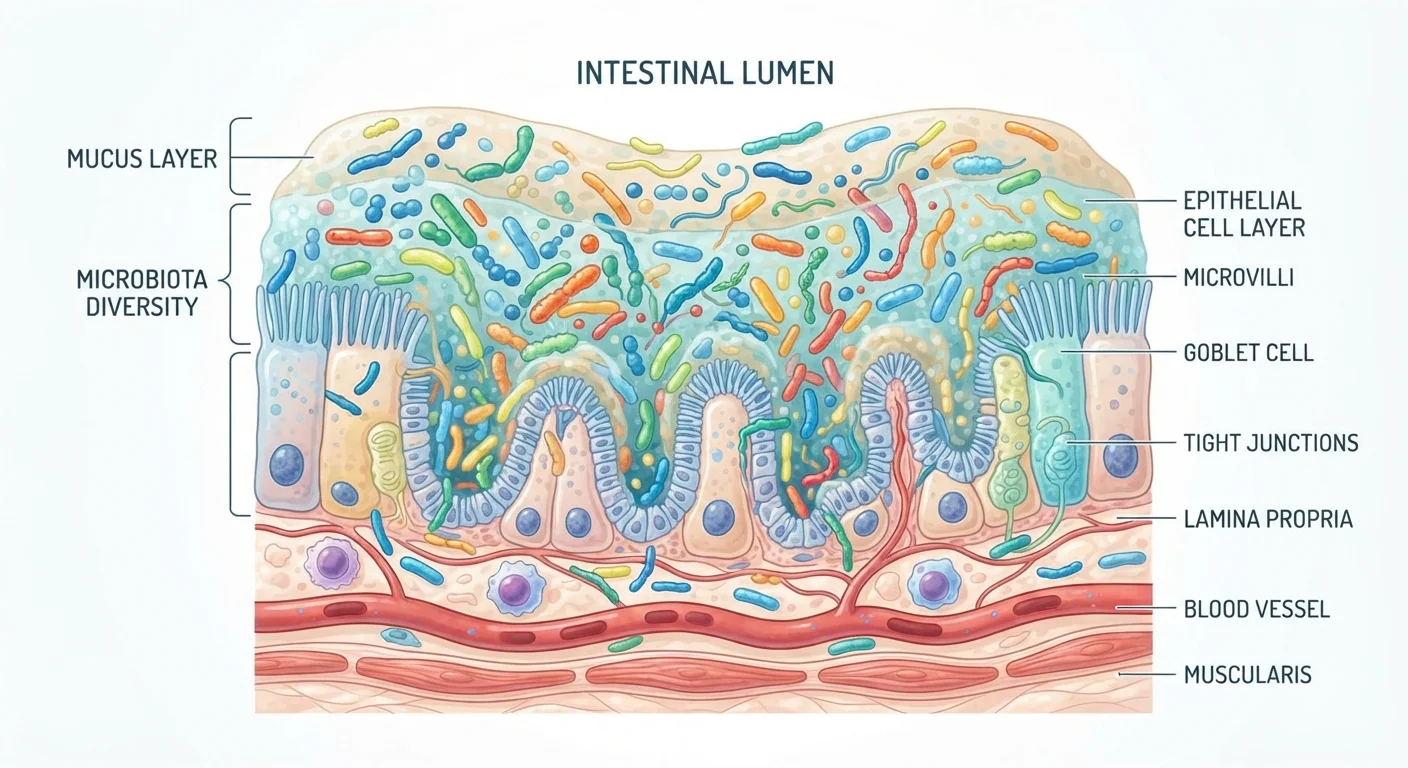
Your digestive tract is home to a remarkable, teeming ecosystem. The gut microbiome encompasses the trillions of bacteria, fungi, viruses, and other microbes that colonize your intestines — particularly the large intestine. Far from being unwanted guests, these organisms perform essential functions that your body cannot accomplish on its own.
Bacteria make up the largest share of this community. Research has identified hundreds of bacterial species in the human gut, and the balance among them shifts constantly in response to what you eat, how you sleep, whether you're stressed, and more. No two people share an identical microbiome, even identical twins show meaningful differences.
Scientists use the term dysbiosis to describe an imbalance in microbial communities — a state associated in research with various health conditions, though causality is often difficult to establish with certainty.
Microbiome Research Is Still Evolving
Much of what we know about the gut microbiome comes from observational studies and animal models, which establish associations but not always causation. Some findings have not yet been replicated in large, rigorous human clinical trials. Treat headlines about microbiome "breakthroughs" with appropriate skepticism, and prioritize guidance from your healthcare provider over any single study.
How the Microbiome Affects Your Health
The gut microbiome's influence extends well beyond digestion. Here's what current evidence supports:
- Digestion and nutrient absorption: Gut bacteria help ferment dietary fiber that human enzymes cannot break down, producing short-chain fatty acids (SCFAs) like butyrate that nourish the cells lining your colon.
- Immune regulation: Approximately 70% of the body's immune cells reside in or near the gut. Microbial communities help calibrate immune responses, potentially influencing susceptibility to infections and inflammatory conditions.
- Vitamin synthesis: Certain gut bacteria produce vitamins B12 and K2, contributing to the body's overall supply.
- The gut-brain axis: Emerging research points to bidirectional communication between the gut and brain via the vagus nerve and chemical signaling. Some studies associate microbiome composition with mood and cognitive function, though this science is still developing and should not be overstated.
~38 trillion
Estimated microbial cells in the human gut
Research published in Cell (Sender et al., 2016) revised earlier estimates, placing microbial cells roughly on par with the number of human cells in the body.
~70%
Of immune cells located near the gut
The gut-associated lymphoid tissue (GALT) represents a major component of the immune system, illustrating the microbiome's potential reach on immune health.
1.5–2 kg
Estimated weight of gut microbial communities
The collective mass of gut microorganisms is frequently cited in microbiome literature as comparable to the weight of the human brain.
Diet: Your Most Powerful Microbiome Tool
Of all the factors that shape the gut microbiome, diet is the most accessible and well-studied. What you eat can shift microbial composition within days, for better or worse.
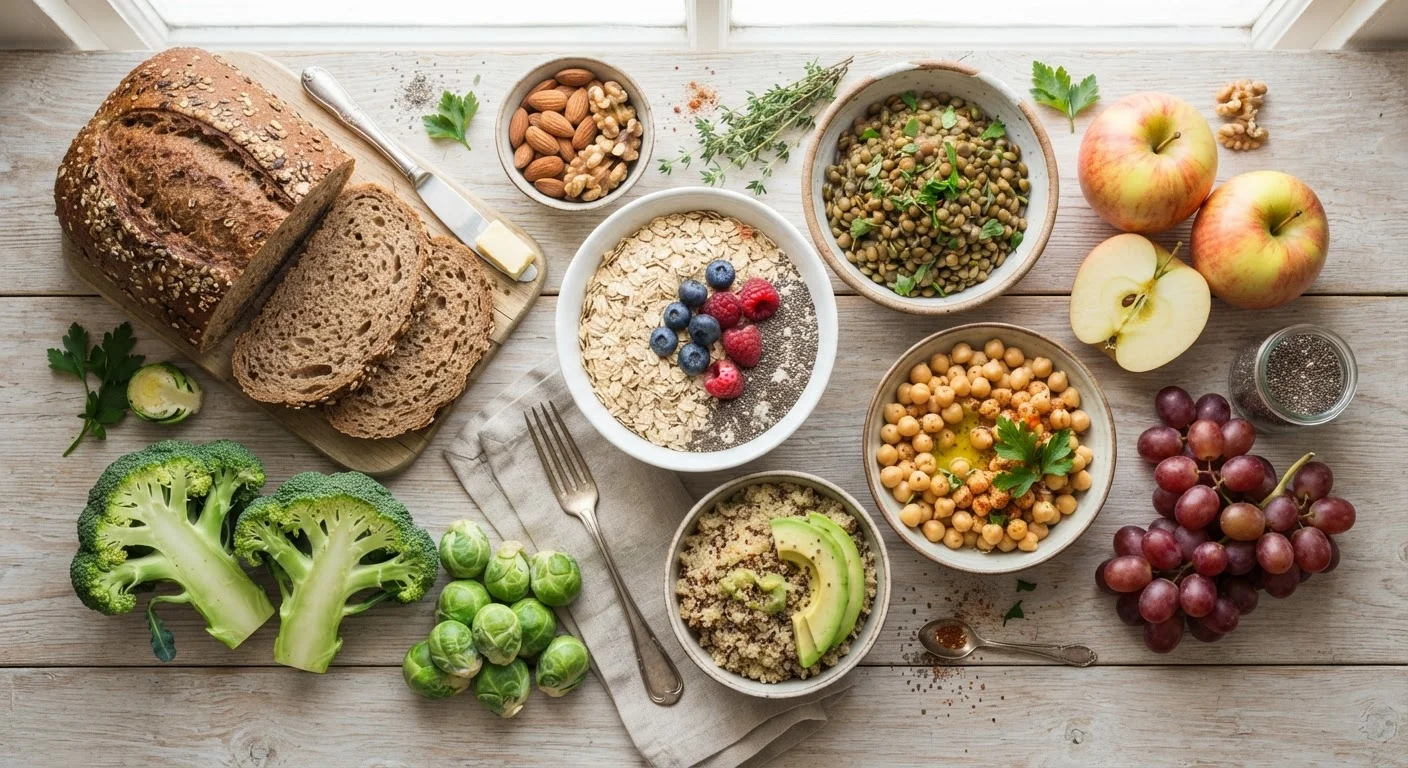
Fiber is the cornerstone. Dietary fiber — found in vegetables, fruits, legumes, and whole grains — serves as fuel for beneficial bacteria. Different fiber types feed different microbial species, which is why variety in plant foods matters more than any single superfood. Learn more about the different types of dietary fiber and their specific roles to understand how fiber choices translate to microbiome support.
Fermented foods like yogurt with live cultures, kefir, sauerkraut, kimchi, and miso introduce live microorganisms into the gut. A 2021 study published in Cell found that a high-fermented-food diet increased microbiome diversity and reduced markers of inflammation in healthy adults — though researchers note that individual responses vary.
Ultra-processed foods, by contrast, tend to be low in fiber and high in additives that some research associates with reduced microbial diversity, though this is an active area of investigation.
Aim for Variety, Not Perfection
Rather than focusing on any single probiotic food or supplement, nutrition researchers generally recommend eating a wide range of plant foods each week. Targeting 30 or more different plant foods weekly — including vegetables, fruits, legumes, nuts, seeds, and whole grains — is a practical goal some researchers associate with greater microbial diversity. This does not need to happen overnight; gradual changes tend to be more sustainable.
Other Factors That Shape Your Microbiome
Diet is influential, but it's not the only lever. Several other lifestyle factors play meaningful roles:
- Antibiotics: These medications can broadly disrupt the microbiome, eliminating beneficial bacteria alongside harmful ones. Use only as directed by a healthcare provider.
- Sleep: Disrupted sleep patterns have been associated with shifts in gut microbial composition in preliminary research.
- Physical activity: Regular exercise is associated with greater microbial diversity in observational studies, independent of diet.
- Stress: Chronic psychological stress can alter gut motility and the gut environment, affecting which microbes thrive.
- Early-life exposures: Mode of birth (vaginal vs. cesarean), breastfeeding, and early antibiotic exposure all appear to influence initial microbiome development with potential long-term effects.
This article is for general informational and educational purposes only and is not a substitute for professional medical advice. Consult a qualified healthcare provider before making significant changes to your diet or starting any supplement.