

Two Types of Fiber, Two Different Jobs
The word "fiber" is often used as though it describes a single nutrient, but it actually covers a broad family of plant compounds. Understanding the two primary categories — soluble and insoluble fiber — makes it easier to see why the nutrient matters so much for overall health.
Soluble fiber dissolves in water to form a thick, gel-like substance as it moves through the digestive tract. This gel slows the pace of digestion, which moderates the rate at which glucose enters the bloodstream. Over time, consistent soluble fiber intake has been associated in multiple studies with modest reductions in LDL (low-density lipoprotein) cholesterol. Oats, barley, apples, citrus fruits, and legumes are particularly rich sources.
Insoluble fiber does not dissolve in water. Instead, it adds bulk to stool and helps food move through the intestines more efficiently. This is the form most directly linked to regularity and a reduced risk of constipation. Whole wheat products, nuts, seeds, and many vegetables supply significant amounts of insoluble fiber.
Most plant foods contain a mixture of both types. This is one reason nutrition professionals consistently emphasize eating a variety of whole plant foods rather than focusing on a single ingredient.
Fiber and Digestive Adjustment
If your current diet is low in fiber, adding large amounts quickly can cause temporary bloating, gas, or cramping. Nutrition professionals generally recommend increasing fiber intake gradually — by a few grams per week — while also increasing water consumption. This allows gut bacteria and digestive processes to adapt more comfortably.
What Fiber Actually Does Inside Your Body
Fiber's influence extends well beyond the digestive tract. Here's a closer look at the mechanisms that make it a consistent focus in nutrition research.
Blood Sugar Regulation
When soluble fiber forms a gel in the gut, it slows the absorption of sugars from a meal. This blunts post-meal blood sugar spikes — an effect that is particularly relevant for people managing blood glucose levels. Research published in peer-reviewed nutrition journals supports the role of high-fiber diets in improving insulin sensitivity over time, though individual responses vary.
Cholesterol and Heart Health
Soluble fiber — especially a type called beta-glucan, found in oats and barley — binds to bile acids in the gut. The body uses cholesterol to make bile acids, so when fiber pulls these acids out through stool, the liver draws on circulating cholesterol to produce more. This process is one established mechanism by which dietary fiber is linked to lower LDL cholesterol levels.
Gut Microbiome Support
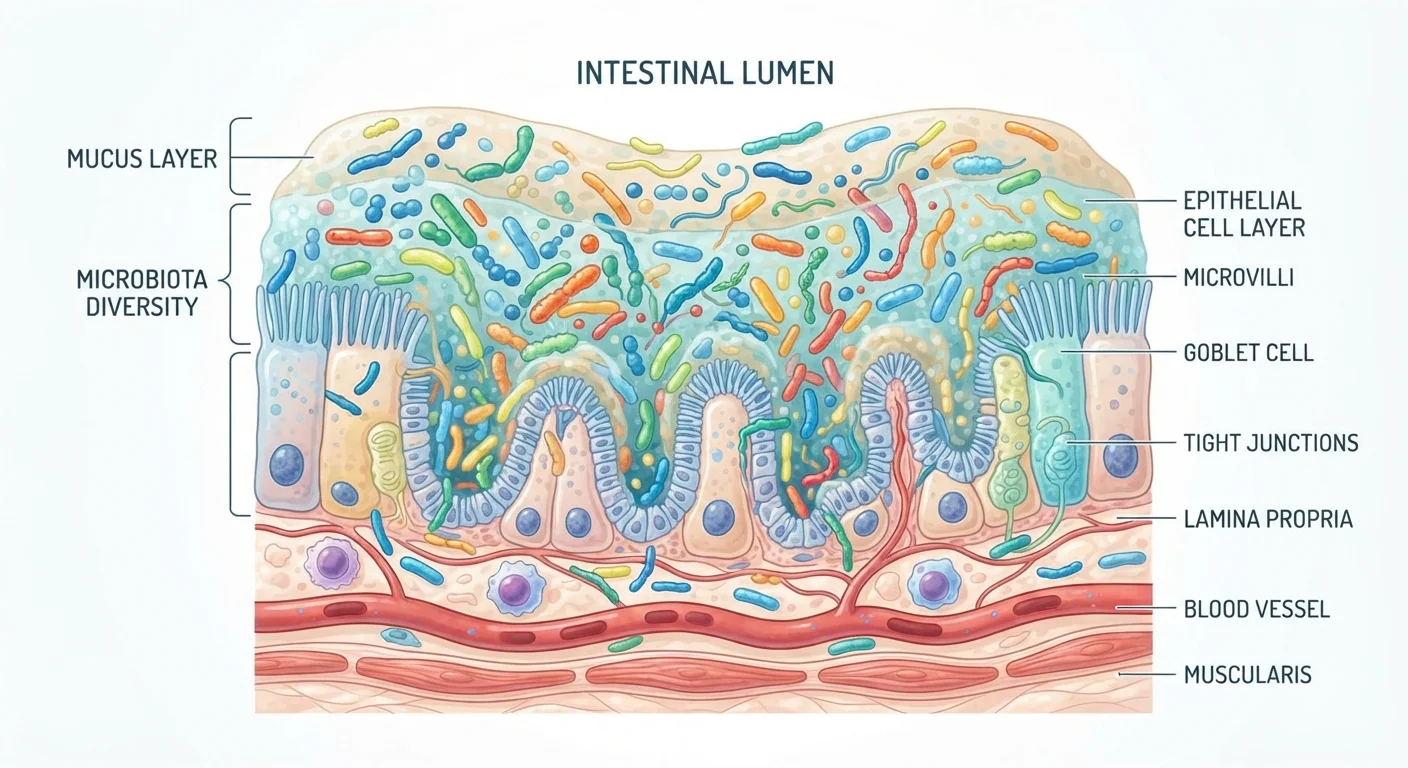
Many fiber types function as prebiotics — meaning they serve as food for beneficial bacteria in the colon. When gut bacteria ferment fiber, they produce short-chain fatty acids that support the intestinal lining and play a role in immune regulation. For a deeper look at this connection, see how diet shapes the gut microbiome.
~5–10g
Average daily fiber intake of most American adults
Surveys consistently show most Americans consume well below the recommended 25–38 grams per day, according to data reviewed by the Dietary Guidelines Advisory Committee.
10–15%
Reduction in LDL cholesterol linked to soluble fiber
Research published in nutrition and cardiology journals suggests regular consumption of soluble fiber sources like oats may reduce LDL cholesterol by roughly 5–10%, with effects varying by baseline levels and intake amount.
25–38g
Recommended daily fiber intake for adults
The U.S. Dietary Guidelines Advisory Committee recommends 25 grams per day for adult women and 38 grams per day for adult men, with amounts declining slightly after age 50.
Reliable Everyday Sources of Fiber
Getting adequate fiber doesn't require specialty products or dramatic dietary overhauls. The most dependable sources are ordinary whole foods available in any grocery store.
- Legumes: Lentils, black beans, kidney beans, and chickpeas are among the most fiber-dense foods by serving. A half-cup of cooked lentils provides roughly 8 grams of fiber.
- Whole grains: Oats, barley, quinoa, and whole wheat bread and pasta retain far more fiber than their refined counterparts. Processing strips away the bran layer where much of the fiber is concentrated.
- Vegetables: Broccoli, Brussels sprouts, carrots, and artichokes offer meaningful fiber per serving and contribute a wide range of micronutrients alongside it.
- Fruits: Apples, pears, berries, and avocados are particularly fiber-rich. Eating fruit whole — rather than juicing it — preserves most of the fiber content.
- Nuts and seeds: Almonds, chia seeds, and flaxseeds contribute both fiber and healthy fats. Chia seeds are especially notable for their soluble fiber content.
The pattern across all high-fiber diets is consistent: they emphasize minimally processed plant foods. This aligns with approaches examined in studies comparing Mediterranean, DASH, and whole-foods dietary patterns, where fiber-rich foods form a common thread.
Read Labels for Whole Grain Fiber Content
When choosing packaged grain products, look for "whole grain" as the first listed ingredient and check the fiber content per serving. A product with at least 3 grams of fiber per serving is generally considered a good source, while 5 grams or more per serving qualifies as an excellent source according to FDA labeling standards. Be cautious of products that add isolated fibers to otherwise refined-grain foods — these may not confer the same benefits as naturally occurring fiber in whole foods.
This article provides general nutrition information and education. It is not a substitute for personalized advice from a registered dietitian or healthcare provider. If you have specific dietary needs or a medical condition, please consult a qualified professional before making significant changes to your diet.