

Why Good Intentions Can Undermine Nutritional Balance
Most people who make changes to their diet do so with genuinely positive goals: more energy, better weight management, reduced disease risk. But nutrition science is nuanced, and some of the most common well-meaning adjustments can quietly work against those same goals. Understanding why these patterns emerge is the first step toward building eating habits that are both healthy and sustainable.
This isn't about blame — dietary missteps usually stem from oversimplified messaging, marketing, or a reasonable attempt to act on incomplete information. The goal here is to illuminate common patterns so you can evaluate your own approach with greater clarity. As always, personal medical or nutritional decisions are best made with guidance from a qualified healthcare professional or registered dietitian.
Eliminating entire food groups without a clear clinical reason.
Why it happens: Popular diets often frame certain food groups — carbohydrates, dairy, legumes — as inherently harmful, leading people to cut them preemptively even without a diagnosed intolerance or condition.
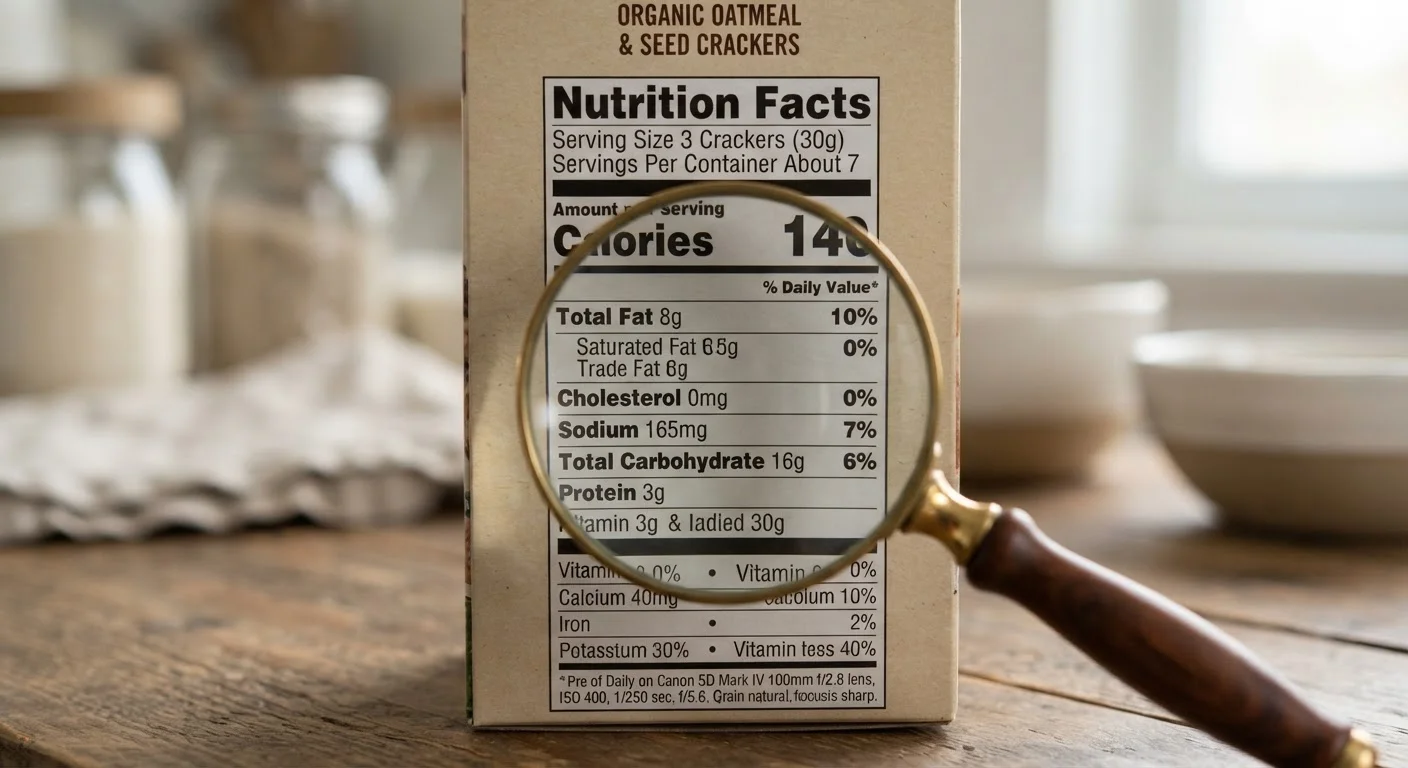
Relying on 'health halo' products without checking the label.
Why it happens: Front-of-package claims like 'organic,' 'natural,' or 'low-fat' can create the impression that a product is nutritionally superior, even when it contains significant added sugars, sodium, or refined ingredients.
Drastically underestimating calories from 'healthy' foods.
Why it happens: Foods like nuts, avocado, olive oil, and granola are genuinely nutrient-dense, but that perception can lead people to consume them in portions that far exceed their needs — assuming that healthfulness negates quantity.
Swapping dietary fat for refined carbohydrates in pursuit of 'low-fat' eating.
Why it happens: Decades of low-fat dietary messaging led many people to replace fat-containing whole foods with low-fat processed alternatives, which often substituted sugar or refined starch to maintain palatability.
Following rigid eating rules that increase stress and guilt around food.
Why it happens: The wellness space often frames eating in moralistic terms — 'clean' versus 'dirty' — which can create anxiety, shame cycles, or disordered patterns, particularly in those predisposed to food-related stress.
What the Research Suggests About Balance and Flexibility
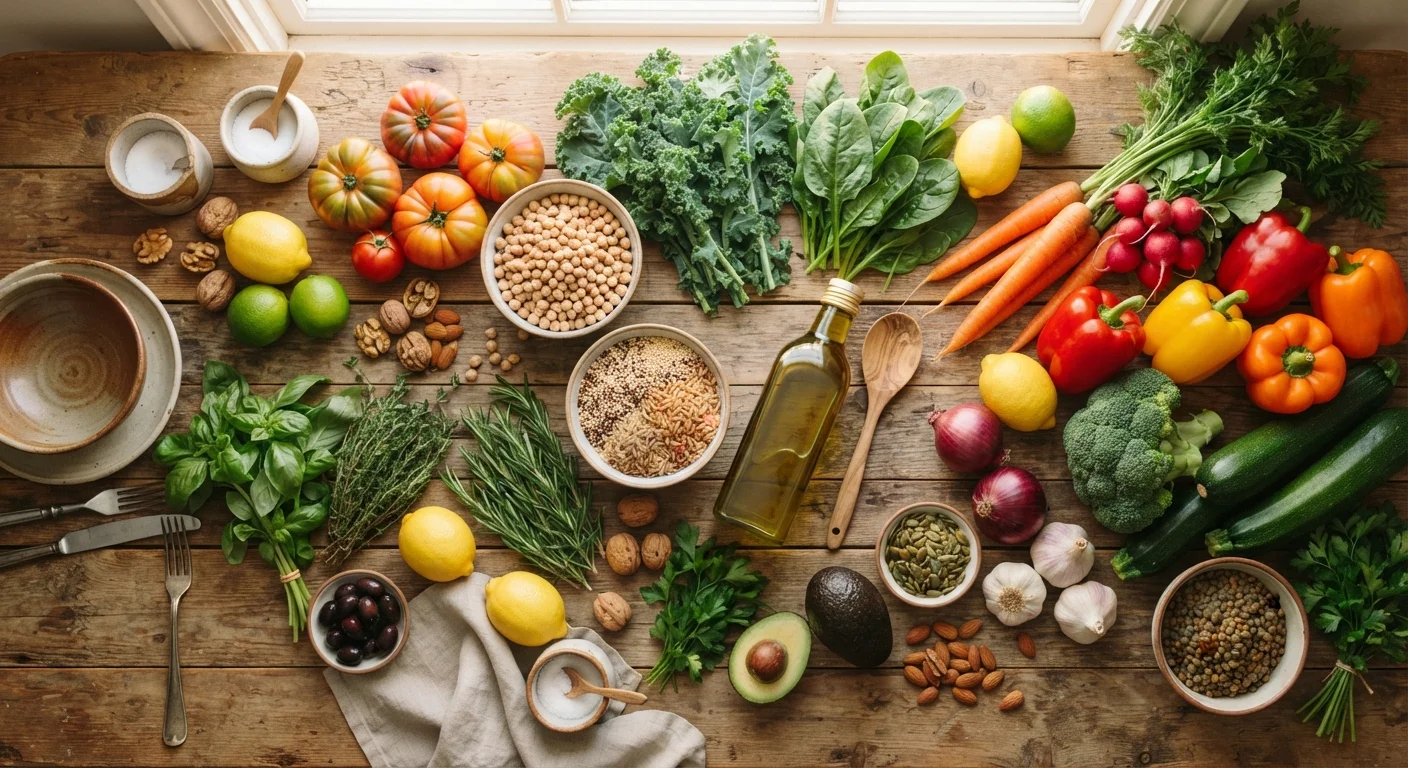
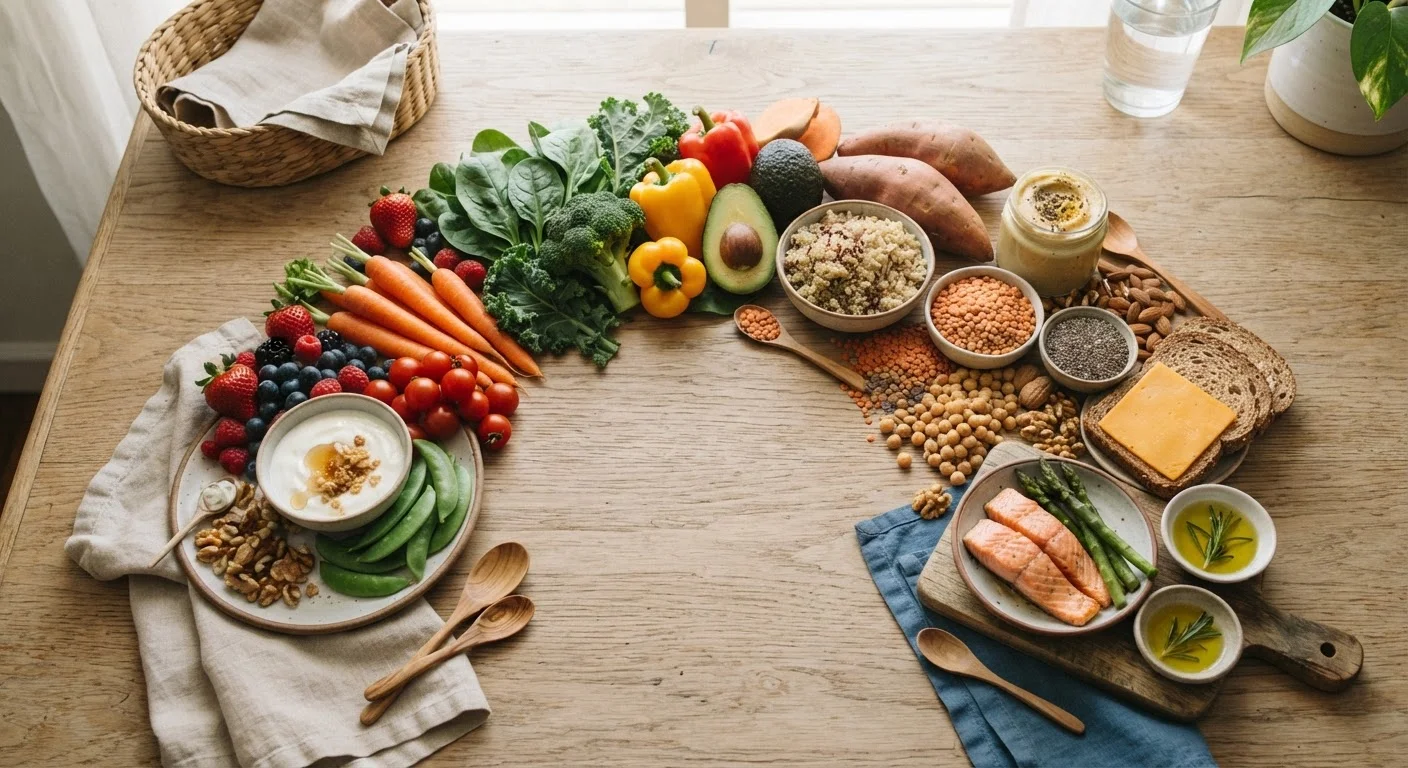
Nutrition researchers increasingly emphasize dietary patterns over individual foods. Rather than focusing on single nutrients — fat, carbohydrates, protein — in isolation, evidence points to the overall quality and variety of what someone eats across time as most predictive of health outcomes. For a useful comparison of well-studied dietary frameworks, see how Mediterranean, DASH, and whole-foods approaches compare.
~80%
Diet quality driven by overall patterns
Nutrition researchers at Harvard's T.H. Chan School of Public Health have noted that overall dietary patterns — rather than individual foods — account for the majority of diet's association with chronic disease risk.
58%
U.S. calories from ultra-processed foods
A study published in the journal BMJ Open estimated that ultra-processed foods account for roughly 58% of total energy intake among U.S. adults, highlighting how processing affects overall diet quality.
It's also worth remembering that nutritional needs shift throughout life. What works well for a young adult may not adequately address the needs of someone in their 60s or 70s. Nutritional requirements change significantly across the lifespan, making flexible, personalized approaches more effective than rigid universal rules.
Nutrient Deficiencies Can Be Silent
Some nutritional shortfalls — particularly in vitamins D, B12, iron, and calcium — may not produce obvious symptoms for months or longer. If you have significantly restricted your diet, are in a special population group (pregnant, elderly, child), or have a chronic health condition, routine bloodwork reviewed by your physician is the most reliable way to detect and address deficiencies early. Do not self-supplement based on assumed deficiencies without professional guidance.
If you're making significant changes to your eating pattern — especially cutting major food groups or dramatically increasing a single nutrient — speaking with a registered dietitian before and during the transition is strongly recommended. General information online, including this article, is not a substitute for individualized professional guidance.
Practical Steps Toward More Informed Choices
Improving how you eat doesn't require perfection or an overhaul. A few evidence-supported habits can make a meaningful difference over time. Start by learning to read food labels with confidence — decoding nutrition facts labels helps you look past front-of-package health claims and compare products based on actual nutrient content.
Consider whether your current plate reflects variety across food groups, including adequate fiber from sources like whole grains rather than refined alternatives. If you're exploring plant-forward eating, a thoughtful overview of plant-based patterns and their trade-offs can help you anticipate nutrient gaps before they develop.
Detox and Cleanse Claims Lack Strong Evidence
Many products and protocols marketed as 'detoxes' or 'cleanses' are not supported by robust clinical evidence. The liver, kidneys, and digestive system continuously perform the body's filtering functions without special dietary interventions. Extreme cleansing regimens may actually disrupt nutrient intake or gut health. Approach such claims critically and consult a healthcare provider before undertaking any restrictive protocol.
Finally, recognize that eating well and staying physically active work synergistically — neither alone is as effective as both together. Small, consistent adjustments — grounded in evidence rather than trend — tend to produce the most durable results over time.
This article is for general informational and educational purposes only and does not constitute medical or nutritional advice. Consult a qualified healthcare professional or registered dietitian for guidance specific to your health needs.