

Why the Myths Spread—and Why They Matter
Sharing food with pets feels natural. A piece of carrot here, a bite of chicken there—it seems harmless, even generous. But the internet is full of conflicting claims: some foods get flagged as deadly when they're merely unhelpful, while others get passed around as "safe" treats despite real toxicity risks. Sorting myth from fact is a genuine health issue for your pet, not just a matter of table manners.
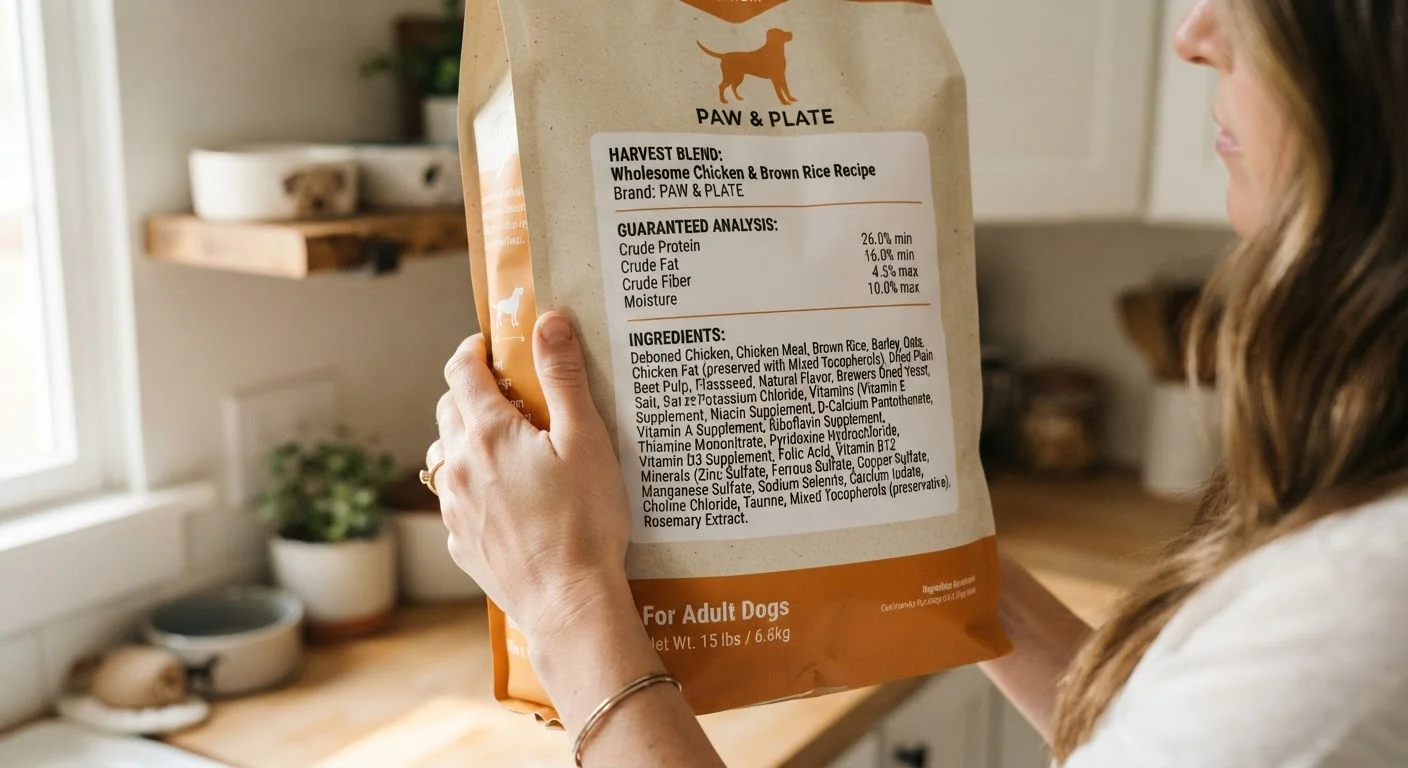
This article walks through the most persistent misconceptions about feeding pets human food, with corrections grounded in veterinary guidance. For a broader look at pet health misinformation, see The Truth Behind Common Pet Health Myths. And if you want to understand what your pet's commercial food actually contains, Reading a Pet Food Label is a useful companion.
Myth
All human food is dangerous for pets, so table scraps should always be avoided.
Fact
Many human foods are safe for pets in small amounts. The concern is with specific toxic items, not all food shared from a human's plate.
This blanket belief causes some owners to panic unnecessarily—and ironically, it can make them less vigilant about genuinely dangerous foods because "all of it is bad" flattens real distinctions. Plain cooked chicken, turkey, certain vegetables like carrots and green beans, and plain cooked rice are widely used in veterinary bland diets. The key word is specific: some human foods are harmful, and those deserve close attention, but the category as a whole is not uniformly off-limits.
Myth
Grapes are fine in small amounts—it's only large quantities that cause problems in dogs.
Fact
Grapes and raisins can cause acute kidney failure in dogs, and no safe minimum dose has been established. Even a single grape has caused illness in some dogs.
The toxin in grapes responsible for kidney damage has not been definitively identified, which is part of what makes this so difficult to dose. The American Society for the Prevention of Cruelty to Animals (ASPCA) Animal Poison Control Center lists grapes and raisins as one of the highest-priority toxin concerns in dogs. Sensitivity appears to vary significantly between individual dogs—some have consumed small amounts without obvious harm while others experienced severe kidney injury. Because there is no established safe threshold, veterinary guidance is to avoid grapes and raisins entirely.
Myth
Garlic is a natural health booster for dogs and cats.
Fact
Garlic is toxic to both dogs and cats, causing oxidative damage to red blood cells that can lead to hemolytic anemia.
This myth has staying power partly because garlic has genuine health benefits in humans and partly because small exposures don't always produce immediate visible symptoms. But garlic belongs to the Allium family—the same group as onions, leeks, and chives—and all members of this group are toxic to dogs and cats. Cats are particularly sensitive. Toxicity applies to garlic in all forms: raw, cooked, and powdered. Powdered garlic is especially concentrated, meaning a small amount of garlic powder in seasoned food can deliver a significant toxic dose.
Myth
Dairy is a natural treat for cats because cats love milk.
Fact
Most adult cats are lactose intolerant. Regular dairy can cause digestive upset, including diarrhea and gas.
The image of a cat lapping up a bowl of milk is culturally ingrained, but nutritionally misleading. Kittens produce the enzyme lactase to digest their mother's milk, but enzyme production typically drops significantly after weaning. Most adult cats lack sufficient lactase to properly process cow's milk, which contains much more lactose than cat's milk. The result is often gastrointestinal distress. Small amounts of plain, unsweetened yogurt or hard cheese—which contain less lactose—are less likely to cause problems, but dairy is not a recommended regular treat for cats.
Myth
Cooked bones are safer than raw bones for dogs.
Fact
Cooked bones are actually more dangerous than raw ones because cooking makes them brittle and prone to splintering.
Splinters from cooked bones can puncture the esophagus, stomach, or intestines—injuries that require emergency veterinary treatment and can be fatal. Raw bones present their own risks (bacterial contamination, tooth fractures with very hard bones), which is why veterinary opinions on raw bone feeding are mixed. The consensus is clear on cooked bones, however: they should not be given to dogs. If you want to provide chewing enrichment, consult your veterinarian about appropriate commercially produced options.
Myth
Xylitol is only a concern if your pet eats a lot of it.
Fact
Xylitol is extremely toxic to dogs even in small amounts and can cause life-threatening drops in blood sugar and liver failure.
Xylitol is a sugar alcohol used as a sweetener in products including some peanut butters, chewing gum, sugar-free candies, baked goods, and certain vitamins. In dogs, it triggers a rapid release of insulin far greater than the same amount of regular sugar would, causing dangerous hypoglycemia (low blood sugar). Higher doses are associated with acute liver failure. The toxic dose is low relative to a dog's body weight, meaning a small dog can be seriously harmed by chewing a few pieces of xylitol-containing gum. Always check ingredient labels before sharing any packaged food with your dog.
How to Apply This at Home
Understanding which foods are safe is only half the equation. Portion size, frequency, and your individual pet's health history all shape what's appropriate. A food that's non-toxic is not automatically beneficial—and treats of any kind, including human foods, should generally account for no more than 10% of a pet's daily caloric intake, according to guidance from the American Veterinary Medical Association.
10%
Maximum treat portion of daily calories
Veterinary nutritionists generally recommend treats—including human food—make up no more than 10% of a pet's total daily caloric intake to preserve dietary balance.
#1
Top pet toxin call category to ASPCA Poison Control
Human foods and beverages consistently rank among the top categories of calls received by the ASPCA Animal Poison Control Center each year.
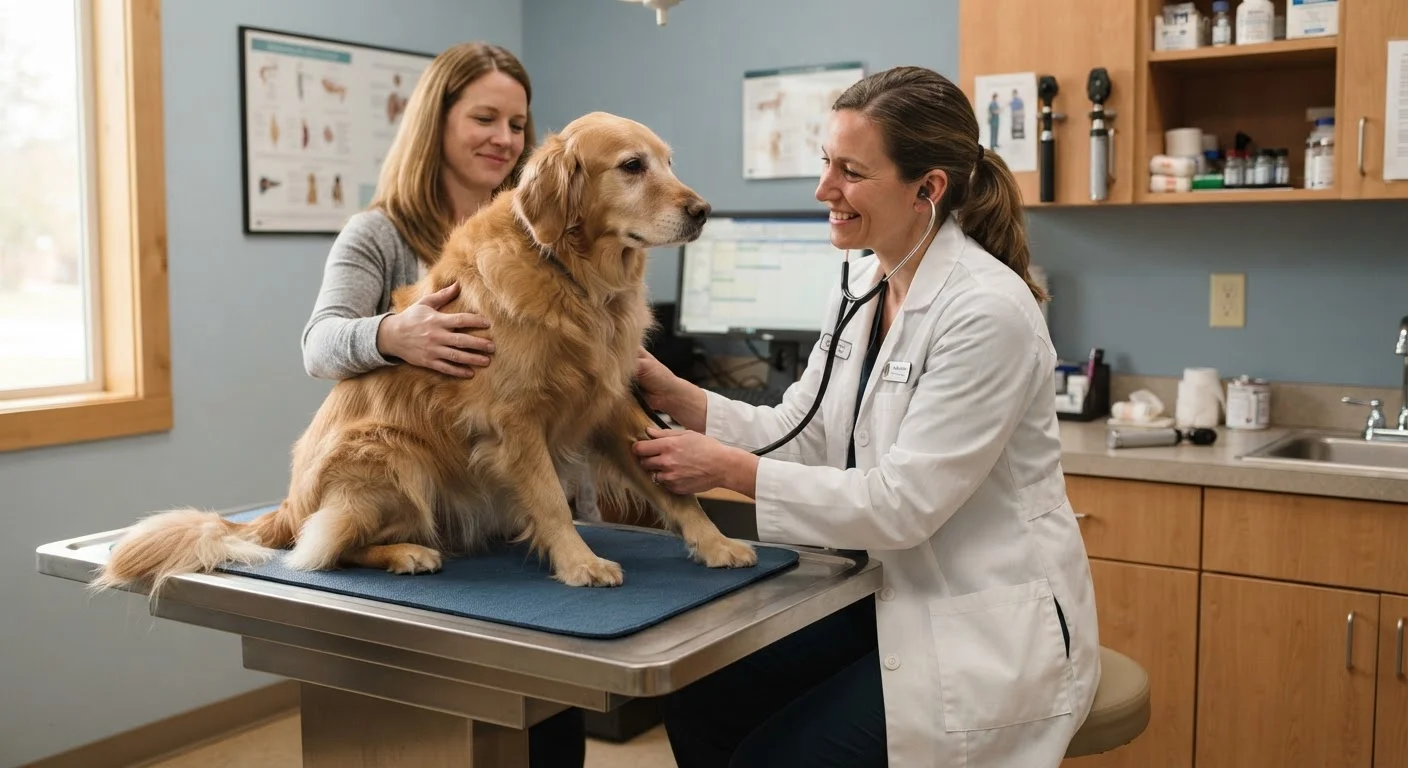
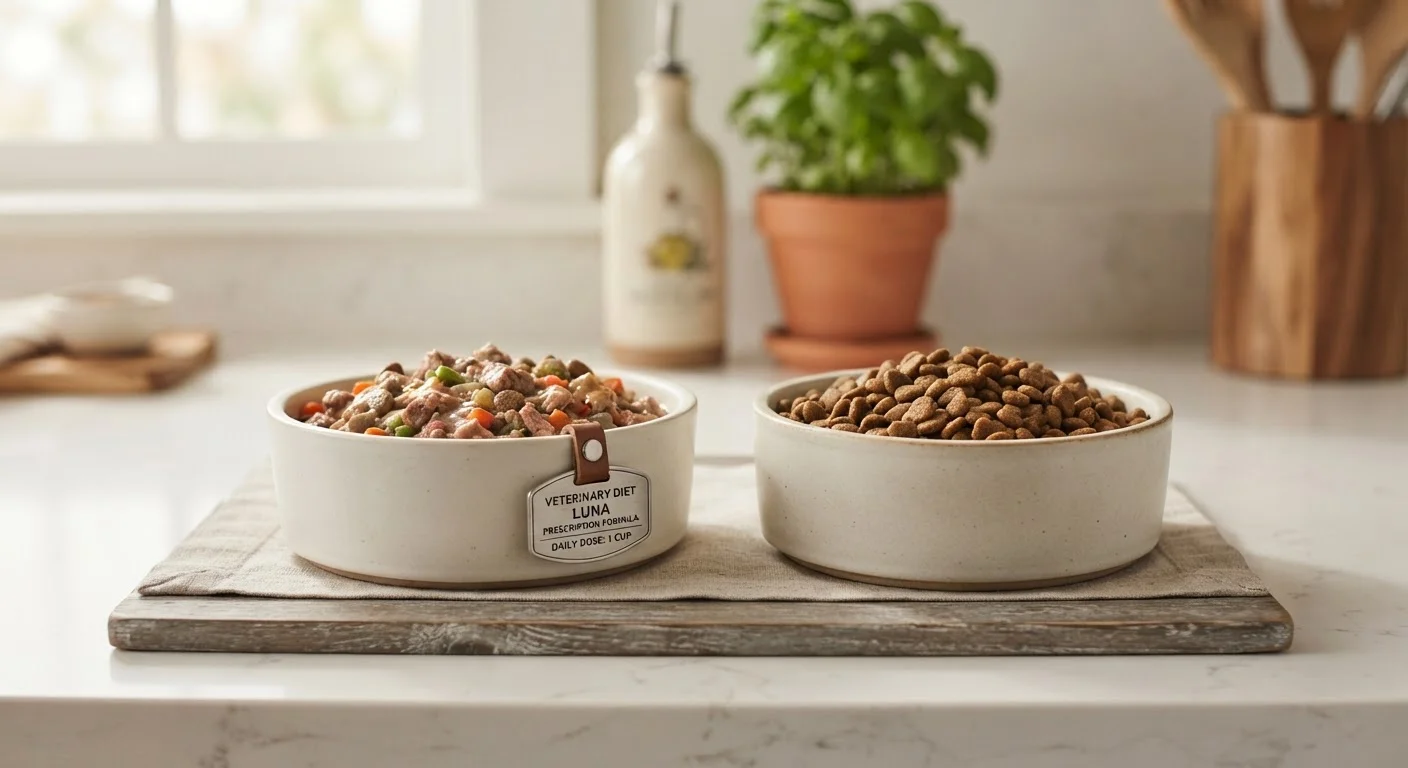
Pets with existing conditions—kidney disease, pancreatitis, diabetes, food allergies—may have restrictions that go beyond general toxicity guidelines. Prescription Pet Food vs. Over-the-Counter Diets explains when specialized nutrition becomes necessary. When in doubt, your veterinarian is the right resource for guidance tailored to your specific animal.
If Your Pet Has Eaten Something Toxic
Do not wait for symptoms to appear before seeking help. Contact your veterinarian or the ASPCA Animal Poison Control Center immediately if you suspect your pet has ingested a toxic food. Time is a critical factor in treatment outcomes for many food-related toxicities, including xylitol and grape ingestion.
This article provides general educational information about pet nutrition and is not a substitute for veterinary advice. Always consult a licensed veterinarian before making changes to your pet's diet, especially if your pet has an existing health condition.