
Why Pet Health Myths Spread — and Why They Matter
Pet owners want the best for their animals, which makes them prime targets for health misinformation. Myths spread through generations of well-meaning advice, social media, and the simple fact that some misconceptions look plausible on the surface. Acting on bad information, however, can delay necessary care or create a false sense of security.
The pet care basics that genuinely protect animal health are often straightforward — but they require accurate foundations. The myth-and-fact pairs below address some of the most persistent misconceptions that veterinary professionals encounter, drawing on established guidance from organizations such as the American Veterinary Medical Association (AVMA).
Myth
Dogs eat grass because they feel sick or have a nutritional deficiency.
Fact
Most dogs eat grass without showing signs of illness before or after, and research does not support a consistent link to dietary deficiencies.
Studies published in veterinary literature, including work summarized by the AVMA, suggest that grass-eating is a common, largely normal behavior in domestic dogs. Fewer than 25% of dogs that eat grass vomit afterward, which undermines the assumption that they do it to induce vomiting. While occasional grass consumption is generally considered benign, sudden or compulsive grass-eating alongside other symptoms — vomiting, lethargy, changes in appetite — warrants a veterinary check-up rather than a dietary overhaul based on guesswork.
Myth
Cats always land on their feet and rarely get seriously injured from falls.
Fact
Cats have a righting reflex but are not protected from injury — high falls frequently cause broken bones, internal injuries, and other serious trauma.
The feline righting reflex allows cats to orient their body during a fall, but this does not equate to safe landings. Veterinary emergency data consistently show that falls from windows and balconies — sometimes called "high-rise syndrome" — result in significant injuries including fractured limbs, jaw fractures, and chest trauma. Counterintuitively, falls from intermediate heights (around two to six stories) can sometimes cause more injury than very high falls because cats have less time to fully prepare their posture. Owners of cats in multi-story homes or apartments should use window guards or secure screens.
Myth
A dog's dry or warm nose means it has a fever.
Fact
Nose moisture and temperature vary throughout the day for many reasons and are not reliable indicators of a dog's body temperature or health status.
A healthy dog's nose can be dry after sleeping, in low-humidity environments, or simply as normal variation. True fever in dogs is determined by taking a rectal temperature — a normal range is generally considered to be approximately 101–102.5°F (38.3–39.2°C). Persistent nasal discharge, a cracked or thickened nose, or a nose that is pale or discolored can be signs worth discussing with a veterinarian, but texture and warmth alone are not diagnostic of illness.
Myth
Indoor cats don't need vaccinations or parasite prevention because they aren't exposed to the outdoors.
Fact
Indoor cats still face exposure risks from humans, other animals, and environments, and veterinary organizations recommend maintaining core vaccines and parasite prevention for them.
Pathogens can enter a home on clothing, shoes, and other pets that do go outside. Insects such as mosquitoes — which transmit heartworm — and fleas can enter through open doors or windows. The AVMA and the American Association of Feline Practitioners both support maintaining core vaccinations (including rabies, which is legally required in most U.S. states regardless of lifestyle) for indoor cats. Parasite prevention protocols should be determined with a veterinarian based on the individual cat's risk profile and regional parasite prevalence.
Myth
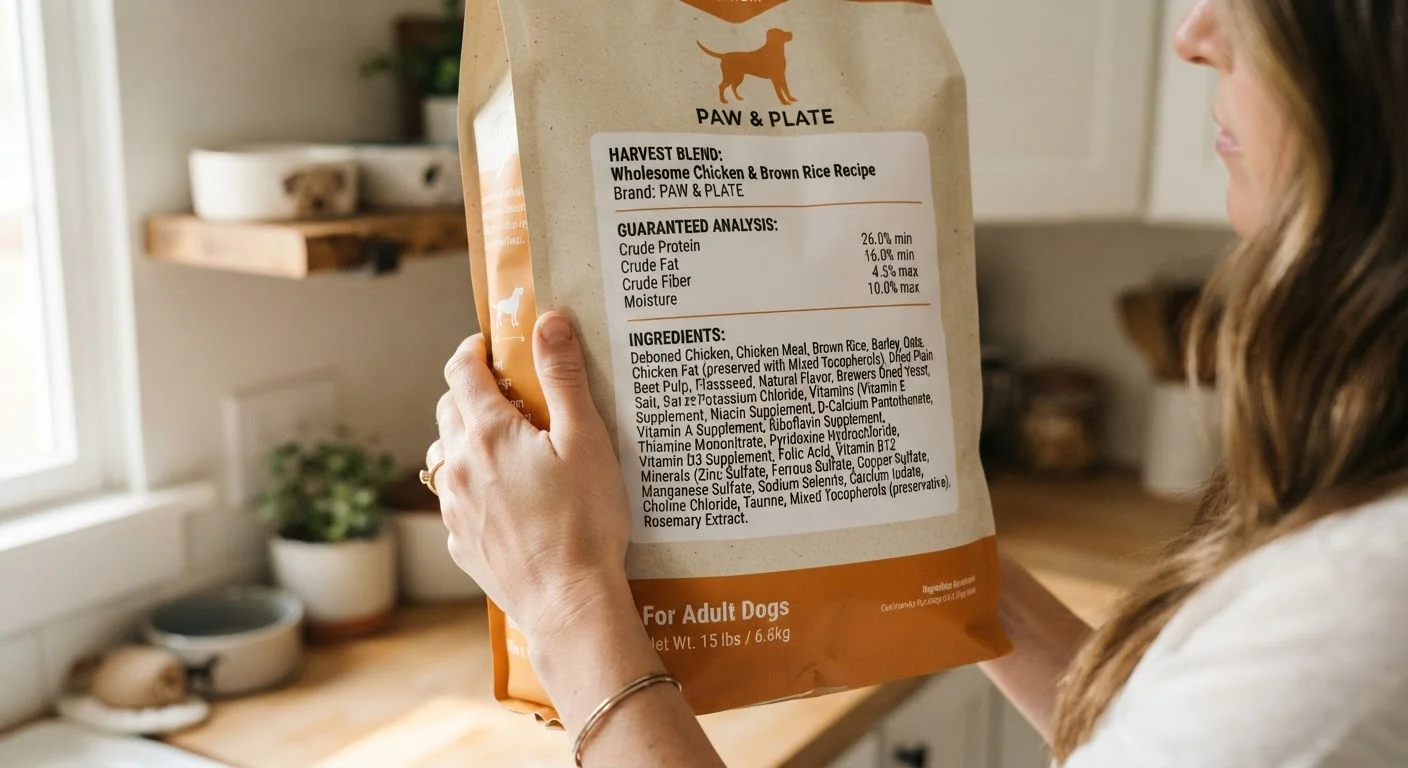
Grain-free diets are healthier for dogs and cats because grains are unnatural fillers.
Fact
There is no established evidence that grain-free diets are broadly superior, and the FDA has investigated a possible link between certain grain-free diets and dilated cardiomyopathy in dogs.
The U.S. Food and Drug Administration (FDA) issued reports noting an apparent association between grain-free, legume-heavy diets and dilated cardiomyopathy (DCM) — a serious heart condition — in dogs. While the relationship is still under investigation and causation has not been definitively established, veterinary cardiologists have flagged the concern. Most dogs and cats can digest grains well, and grains in commercial pet food serve as energy sources and fiber — not meaningless filler. Diet changes, especially significant ones, should be discussed with a veterinarian. See also: when specialized diets are actually warranted.
Myth
Bad breath in pets is normal and nothing to worry about.
Fact
Persistent bad breath is most commonly a sign of dental disease, which can progress to affect organs beyond the mouth if untreated.
The AVMA estimates that by age three, most dogs and cats show some signs of periodontal (gum) disease. Bad breath — particularly a strong, persistent odor — is typically the result of bacterial buildup, tartar, and infected gum tissue rather than a harmless quirk. Advanced dental disease has been associated with systemic health effects, including potential impacts on the heart, kidneys, and liver. Home tooth brushing, dental chews approved by the Veterinary Oral Health Council (VOHC), and regular professional cleanings are the evidence-supported approaches to prevention.
What the Evidence Tells Us About Common Pet Behaviors
Many myths attach false meaning to normal animal behaviors. Understanding what everyday actions actually signal — and what they don't — helps owners respond appropriately rather than either panicking or dismissing real warning signs.
~80%
Dogs with dental disease by age 3
The American Veterinary Medical Association estimates that approximately 80% of dogs show signs of periodontal disease by their third year of life.
~56%
U.S. dogs and cats classified as overweight or obese
The Association for Pet Obesity Prevention's annual survey has repeatedly found that more than half of American cats and dogs are above a healthy body weight.
<25%
Grass-eating dogs that vomit afterward
Veterinary literature suggests fewer than one in four dogs that consume grass show vomiting, challenging the common assumption that they eat it to self-induce vomiting.
Diet-related myths deserve particular attention. The rise of grain-free and raw-food marketing has created a wave of misconceptions about what pets actually need. For a detailed look at how to evaluate what's in your pet's bowl, see how to read a pet food label. And if you're weighing specialized diets, the differences between prescription and over-the-counter pet food are worth understanding before making a change.
Weight is another area where myths create real harm. Owners often normalize gradual weight gain as a sign of a contented pet. In reality, obesity is one of the most preventable chronic conditions in companion animals. Learn more about why pets gain weight and the health risks that follow.
Don't Delay Veterinary Care Based on Myths
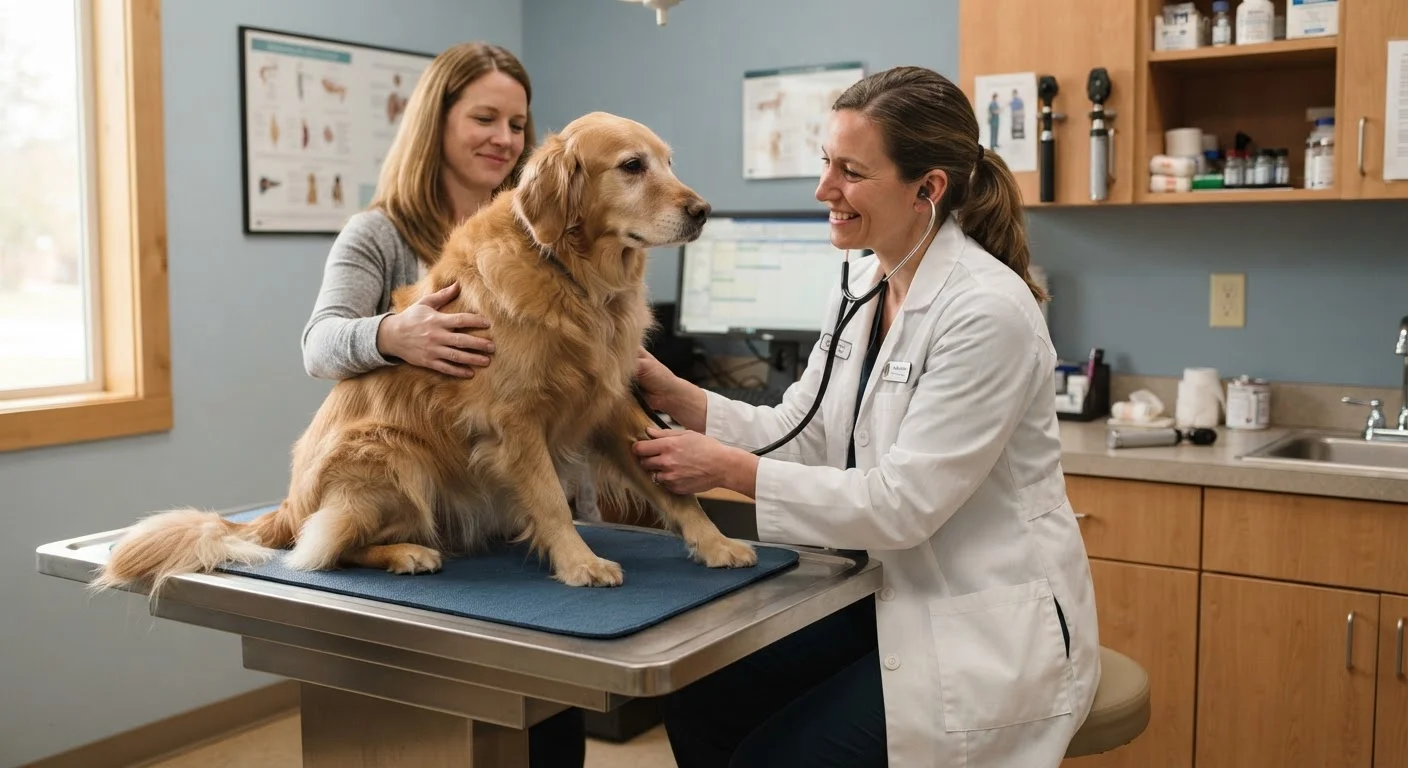
Relying on a home remedy or popular belief — such as assuming a warm nose signals fever, or that a cat's fall was harmless — can cause dangerous delays in necessary treatment. When in doubt, contact your veterinarian. Many practices offer phone or telehealth triage guidance that can help you determine whether a visit is urgent.
Oral health is similarly misunderstood. Many owners assume bad breath is just a quirk of their pet's biology. It's usually a symptom of progressing dental disease, the most overlooked pet health problem. And for owners curious about what pets can safely eat from the human table, common myths about feeding pets human food provides a grounded overview. Hydration is also frequently underestimated — fresh water matters more than many owners realize.
This article is for general informational purposes only and does not constitute veterinary advice. Always consult a licensed veterinarian for guidance specific to your pet's health needs.