
What's Actually in Each Format
Dry kibble and canned wet food start from the same basic ingredient categories — protein sources, fats, carbohydrates, vitamins, and minerals — but the manufacturing process creates meaningful differences in the final product.
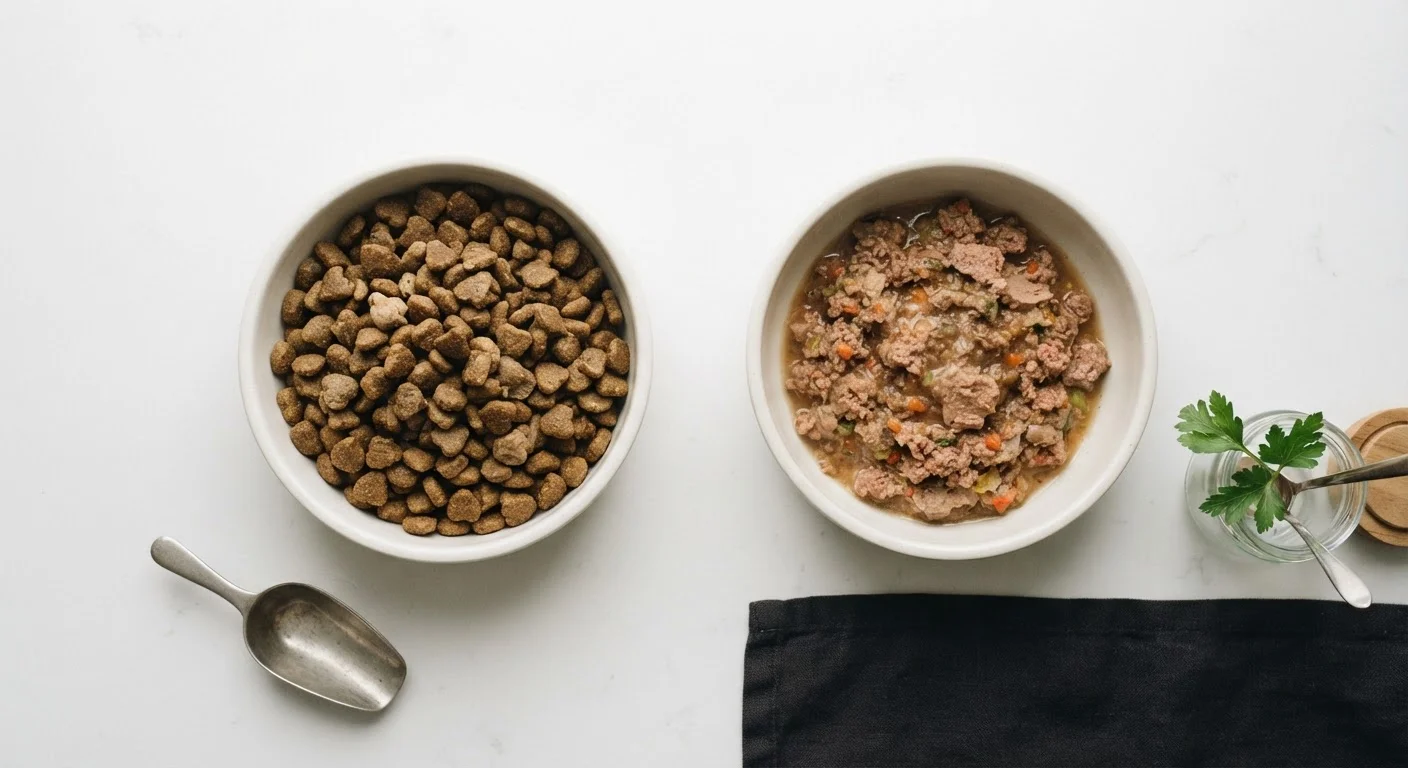
Dry food is made by combining ingredients into a dough, then cooking it under high heat and pressure through a process called extrusion. The result is a shelf-stable product with roughly 10% moisture content. Because the process requires carbohydrates to hold the kibble shape, dry food typically contains more starch than canned food.
Wet food is cooked inside a sealed can or pouch, which preserves moisture naturally without added preservatives. Moisture content generally runs between 70% and 80%, which is closer to the composition of whole prey animals. This allows wet food recipes to use higher proportions of protein and fat relative to carbohydrates.
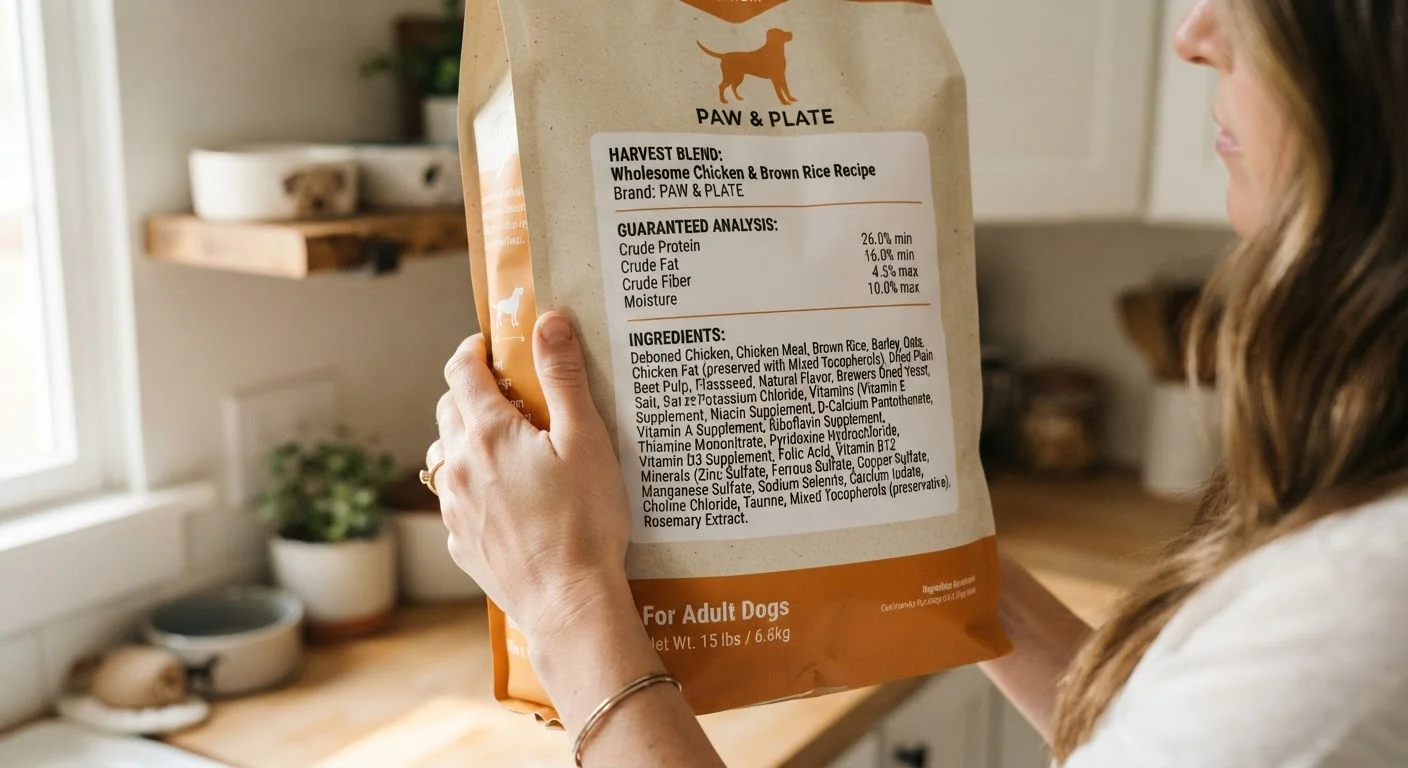
To evaluate either format confidently, it helps to understand what the ingredient list and guaranteed analysis actually tell you. See our guide to reading a pet food label for a breakdown of what those numbers really mean.
| Criterion | Dry Food (Kibble) | Wet Food (Canned) |
|---|---|---|
| Moisture content | ~10% | 70–80% |
| Cost per serving | Lower | Higher |
| Shelf life (unopened) | Months to a year+ | Years (canned) |
| After opening | Stays fresh for weeks if sealed | Refrigerate; use within 24–48 hrs |
| Carbohydrate content | Generally higher | Generally lower |
| Dental benefit | Some plaque reduction from chewing | Minimal mechanical benefit |
| Palatability | Varies; less aromatic | Higher; stronger aroma |
| Suitable for free-feeding | Yes | No — spoils quickly |
Nutrition, Hydration, and Health Considerations
The moisture gap between dry and wet food is more significant for cats than for dogs. Cats evolved as desert predators and obtain most of their water from prey rather than from a water bowl. Research published by veterinary nutrition experts at institutions such as Cornell University's College of Veterinary Medicine has noted that cats fed exclusively dry food often consume less total water than those eating wet food, which can be a factor in chronic kidney disease and lower urinary tract problems.
Dogs are more adaptable drinkers, but pets managing diabetes, constipation, or certain kidney conditions may also benefit from the added moisture in wet food — always verify with your veterinarian before changing diet for a health condition.
On the carbohydrate side, some veterinary nutritionists argue that the higher starch load in dry food is not ideal for obligate carnivores like cats, though the evidence on long-term metabolic effects is still evolving. Healthy adult dogs, by contrast, tolerate and digest carbohydrates efficiently.
70–80%
Moisture content in typical wet cat/dog food
Wet food's moisture level closely mirrors that of whole prey animals, according to veterinary nutrition references from institutions including Tufts University's Cummings School of Veterinary Medicine.
~10%
Moisture content in dry kibble
The low moisture content of dry food means pets relying solely on kibble must compensate through water intake, which cats in particular may not consistently do.
Top concern
Urinary tract disease in cats fed dry-only diets
Feline lower urinary tract disease (FLUTD) is among the most common reasons cats visit veterinarians, and inadequate hydration is considered a contributing risk factor by veterinary professionals.
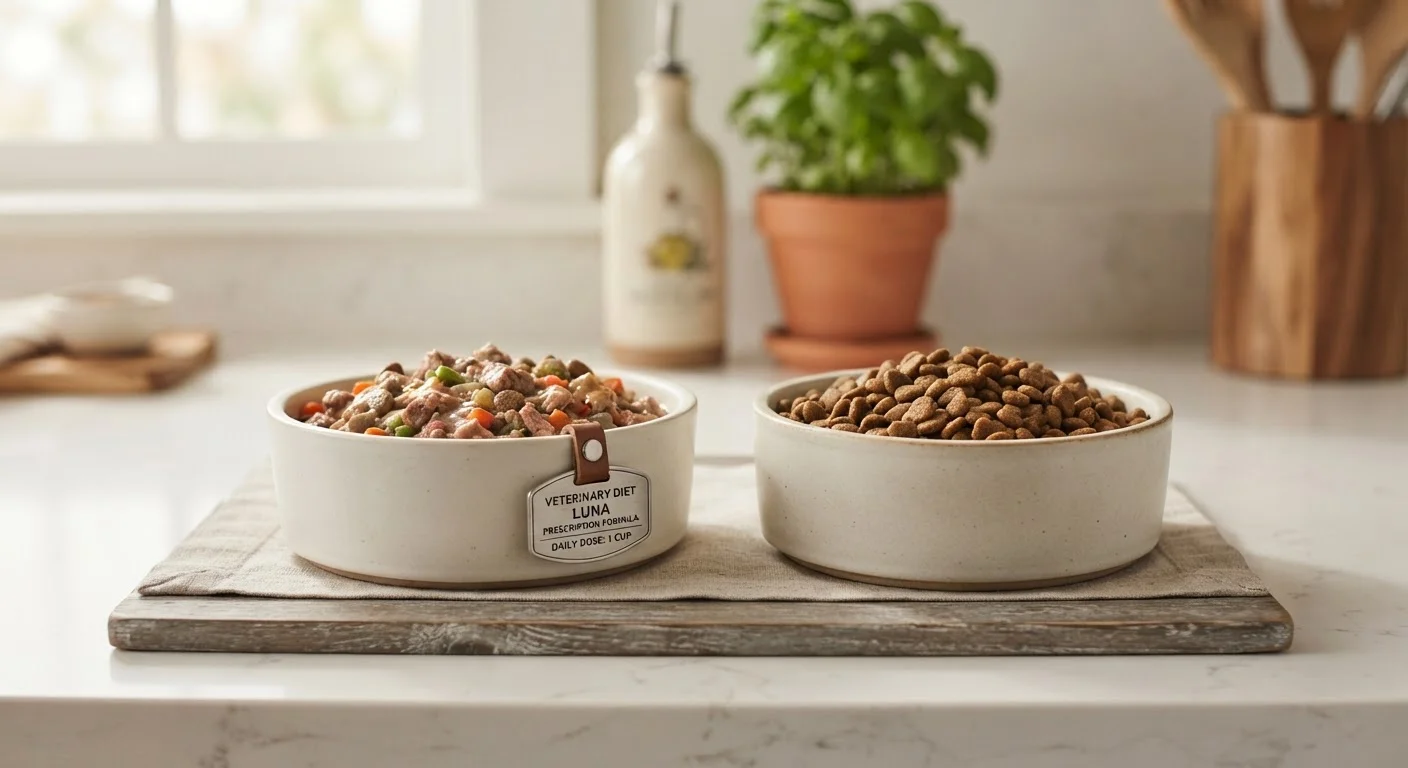
For pets with specific medical needs, the choice between dry and wet food may become a clinical decision. Our article on prescription vs. over-the-counter diets covers when therapeutic nutrition becomes relevant.
Cost, Convenience, and Practical Storage
For most households, dry food is meaningfully less expensive per daily serving than wet food. A bag of kibble typically costs less per pound and stores without refrigeration for weeks or months once sealed. This makes it easier to buy in bulk, manage on a tight budget, and leave available for pets during the day.
Wet food costs more per calorie and requires refrigeration after opening — unused portions should generally be covered and used within 24 to 48 hours. Opened cans left at room temperature can spoil within a couple of hours, which limits its usefulness for free-feeding setups.
Free-Feeding Works Differently by Format
Dry kibble can safely sit in a bowl for hours, making it compatible with free-feeding — where food is available at all times. Wet food cannot: it should be removed and discarded after about two hours at room temperature to prevent bacterial growth. If your household prefers a free-feeding setup, dry food is the more practical choice, though portion-controlled scheduled meals are generally recommended for weight management in both formats.
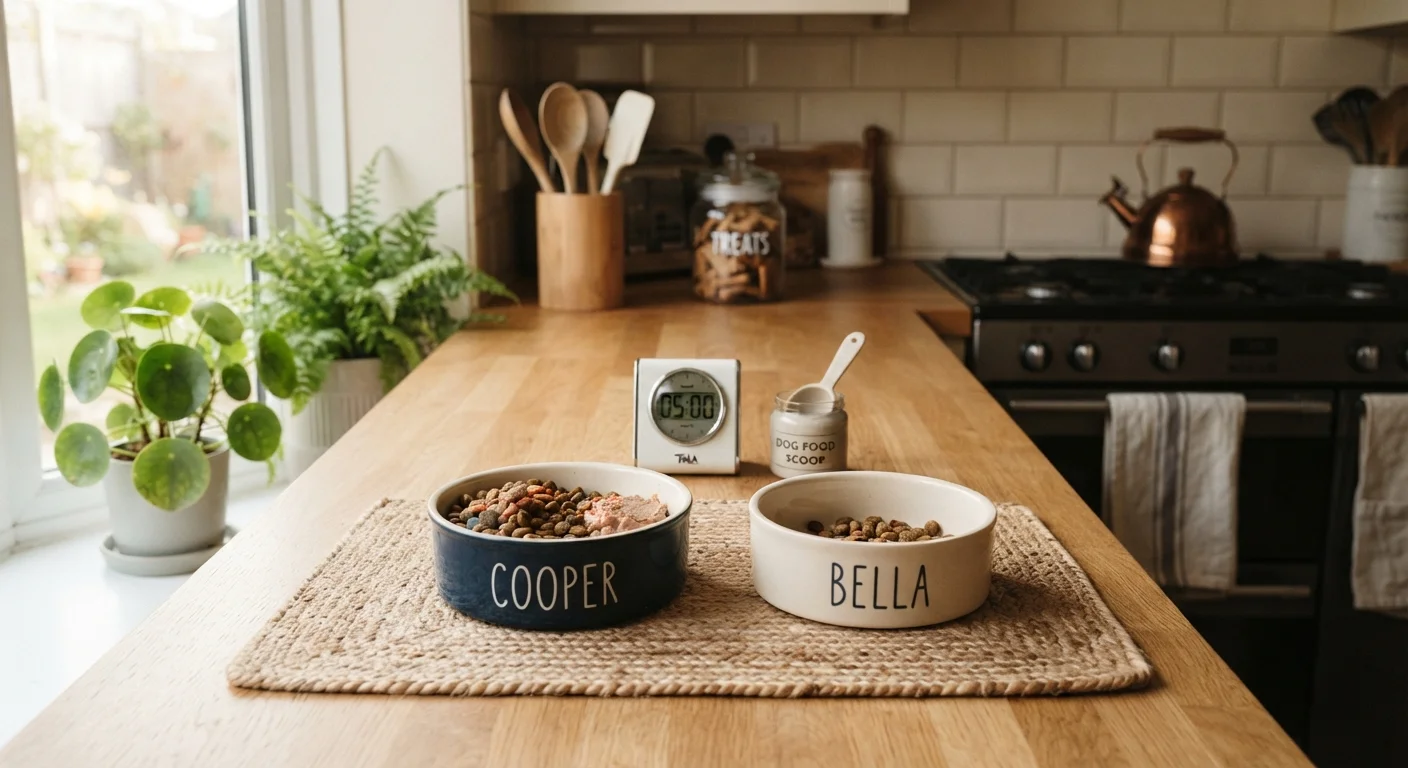
A mixed feeding approach — often called "topping" — involves using wet food as a flavor enhancer or hydration supplement over a dry food base. This can bring some benefits of both formats while keeping costs manageable. If you're building a consistent routine around either or both formats, our guide to setting up a feeding schedule offers practical structure for portion timing and meal frequency.
Pet food costs are also one of the largest recurring expenses of ownership. For a fuller picture, see what it actually costs to own a dog or cat in America.