When Does a Pet Become a 'Senior'?
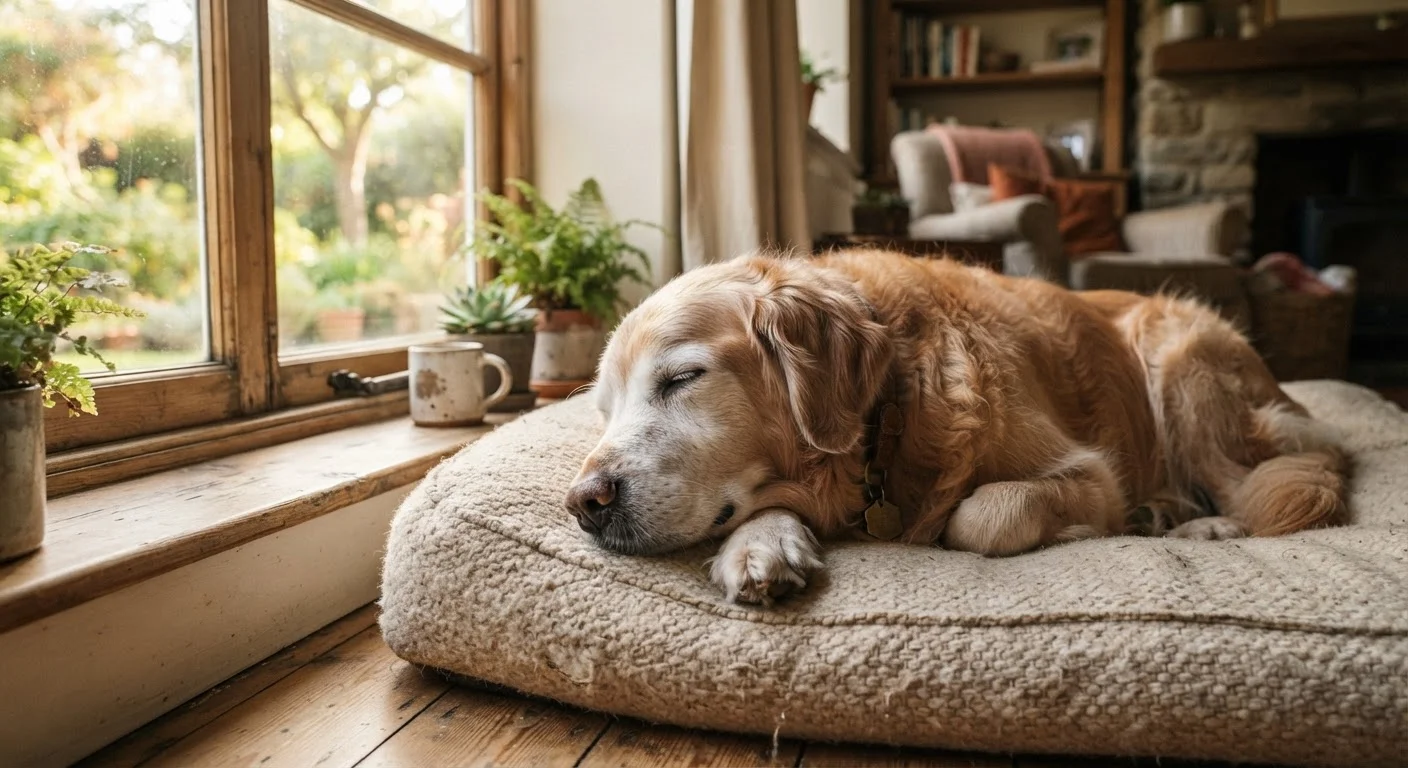
The term "senior" doesn't apply at the same age across all species and breeds. Veterinary guidelines generally classify dogs as senior around age seven, though large and giant breeds may reach that threshold earlier — sometimes at five or six years old. Cats are typically considered senior around ten, though many live well into their late teens. Smaller dog breeds tend to age more slowly than larger ones.
Understanding your specific pet's life-stage category matters because it shapes how proactively you and your veterinarian approach preventive care. If you're newer to pet ownership, the foundational wellness primer is a useful starting point before diving into age-specific considerations.
Life Stage Classification Varies by Species and Size
There is no single universal age at which all pets become "senior." A Great Dane may reach senior status at five or six, while a Chihuahua might not until nine or ten. Your veterinarian can help you identify which life stage applies to your specific pet and when to begin adjusting care routines accordingly.
Preventive Screenings: Why They Matter More Now
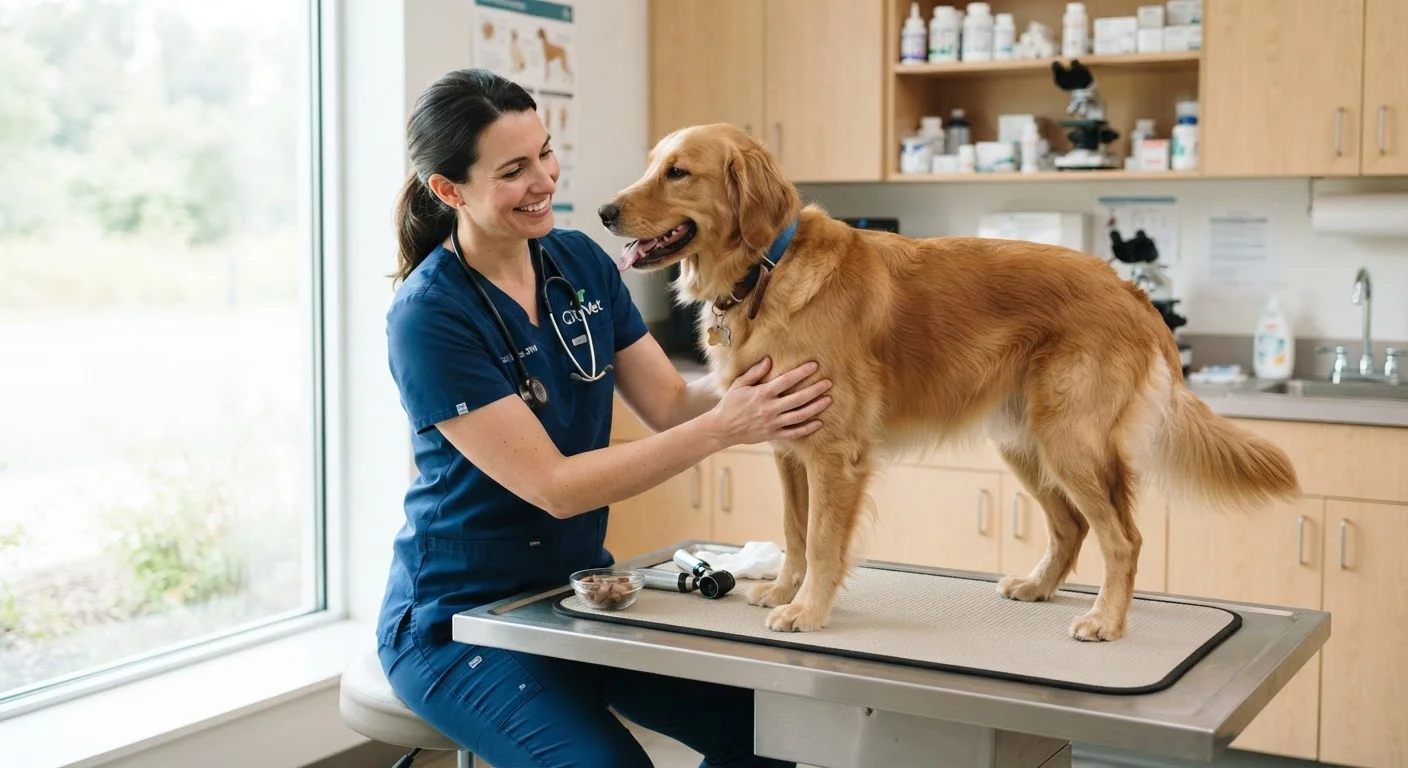
Younger, healthy pets can often manage with one wellness exam per year. For seniors, most veterinarians recommend twice-annual visits — not because something is necessarily wrong, but because age-related conditions can progress quickly and silently. Kidney disease, thyroid dysfunction, diabetes, and heart conditions are among the most common concerns in older dogs and cats, and many show few outward symptoms in early stages.
Routine bloodwork, urinalysis, and blood pressure checks are standard components of a senior wellness exam. These panels can flag organ function changes well before clinical signs appear. As the preventive care guide explains, catching problems early is almost always less costly — financially and physically — than treating advanced disease.
~28%
Senior dogs affected by osteoarthritis
Estimates from veterinary literature suggest roughly one in four dogs over seven shows signs of osteoarthritis, many of which go undetected by owners.
30–40%
Cats over 10 with chronic kidney disease
Research published in veterinary nephrology literature indicates chronic kidney disease is among the most prevalent conditions in older cats, often identified through routine bloodwork.
Nutrition Shifts in Older Animals
Metabolism slows with age, muscle mass tends to decrease, and organ function changes — all of which affect how a pet processes nutrients. Senior pets may need fewer calories to maintain a healthy weight, but they often require higher-quality protein to preserve lean muscle. Some age-related conditions, such as kidney disease, call for precisely modified diets — typically lower in phosphorus — that require a veterinarian's input before implementing.
Over-the-counter senior formulas vary widely in their actual composition, so it's worth discussing with your vet whether a diet change is warranted and what to look for on the label. The comparison of prescription and standard diets can help clarify when a therapeutic formula becomes necessary. Weight management also becomes a bigger concern — learn more in the guide on why pets gain weight.
Hydration deserves attention too. Older animals — especially cats — are prone to chronic kidney issues and benefit from consistently fresh, accessible water. See why hydration matters more than many owners realize for practical guidance.
Best Practices for Senior Pet Care
Caring well for an aging pet involves adjusting routines in several interconnected areas. The following practices reflect guidance from veterinary organizations and are applicable to most dogs and cats entering their senior years.
Schedule veterinary checkups every six months for pets in their senior years.
Age-related conditions such as kidney disease, hyperthyroidism in cats, and cardiac changes can develop and progress without obvious symptoms. Twice-annual exams allow earlier detection and more treatment options.
Request a senior blood panel and urinalysis at each wellness visit.
Standard physical exams alone can miss internal changes. Bloodwork provides a baseline and tracks trends in organ function, blood sugar, and thyroid levels over time.
Transition to a diet appropriate for your pet's life stage and any diagnosed conditions.
Senior pets have different caloric and nutrient needs than younger animals. Getting this wrong — either overfeeding or under-supporting protein intake — can accelerate age-related decline.
Modify the home environment to reduce physical strain on aging joints.
Arthritis is common in older dogs and cats, and everyday barriers like stairs or slippery floors can cause pain or injury. Small changes significantly improve comfort and mobility.
Monitor and document behavioral changes, then discuss them with your vet.
Cognitive dysfunction syndrome — similar to dementia in humans — affects some older pets, showing up as confusion, changed sleep cycles, or reduced social engagement. These signs are easy to dismiss as "just aging" but may be treatable.
Maintain gentle, consistent exercise appropriate to your pet's current abilities.
Reduced mobility doesn't mean no movement. Gentle activity supports muscle tone, healthy weight, and mental stimulation, all of which contribute to quality of life in senior pets.
This article is for general informational purposes only and does not constitute veterinary advice. Always consult a licensed veterinarian regarding your individual pet's health needs.
Mobility, Pain, and Quality of Life
Arthritis is one of the most underdiagnosed conditions in senior pets. Animals instinctively mask discomfort, so owners often miss early signs. Watch for reluctance to climb stairs, slower movement after rest, reduced grooming in cats, or irritability when touched in certain spots. The article on recognizing pain signals in pets covers these behavioral cues in detail.
Environmental modifications can make a meaningful difference. Orthopedic or memory-foam beds, ramps or steps to reach furniture, non-slip mats on hard floors, and raised food and water bowls for large dogs with neck stiffness are practical, low-effort changes. Pain management options — including medication, physical rehabilitation, and acupuncture in some cases — should be discussed with a veterinarian rather than addressed with over-the-counter human products, which can be harmful to animals.