
Why Water Is a Non-Negotiable Part of Pet Care
Water is involved in virtually every biological process your pet's body carries out — from breaking down food and absorbing nutrients to flushing waste through the kidneys and keeping joints lubricated. Without adequate hydration, these systems begin to strain in ways that aren't always immediately visible to owners.
This makes fresh water less of a "nice to have" and more of a daily health essential, comparable in importance to a balanced diet. Yet hydration is frequently treated as an afterthought — bowls go unfilled for hours, water sits stale in the dish, or pets are given water only at mealtimes.
Proper pet hydration is a foundational element of responsible ownership. For more on building solid health habits from day one, see our first-pet health and wellness primer.
~80%
Water content in quality wet pet food
Veterinary nutrition sources note that wet food can comprise up to 80% water, making diet type a significant factor in total daily hydration.
1 oz/lb
General daily water guideline for dogs
A commonly cited veterinary reference point suggests dogs need approximately 1 ounce of water per pound of body weight per day, though individual needs vary.
70–80%
Of a pet's body composed of water
Like most mammals, dogs and cats are largely water by body composition — underscoring how central hydration is to baseline organ function.
How Much Water Does Your Pet Actually Need?
Water requirements vary considerably by species, size, age, and diet. Dogs generally need more water relative to body weight than cats, and animals eating dry kibble need to drink more than those on wet food diets — wet food can be up to 80% water, contributing meaningfully to total daily intake.
Cats present a particular challenge. Biologically, cats evolved as desert animals and have a naturally low thirst drive, meaning they can become mildly dehydrated without showing obvious signs of distress. This makes proactive hydration monitoring especially important for feline owners.
Activity level and temperature also play significant roles. A dog that spends the afternoon outdoors in summer will need considerably more water than one resting indoors on a mild day. Pregnant or nursing animals, and those recovering from illness, typically have elevated water requirements as well.
Track Your Pet's Drinking Baseline
Fill the water bowl to a consistent level each morning and check how much remains at the end of the day. Doing this a few days in a row gives you a useful baseline. Any significant drop or spike in daily intake is worth noting and discussing with your veterinarian at your next visit.
Water Quality and Bowl Hygiene: What Owners Often Overlook
Not all standing water is equal. Even tap water left in a bowl overnight can develop a biofilm — a thin bacterial layer that coats the dish and affects taste. Many pets will drink less if they find their water unpalatable, which can slide gradually into low-grade chronic dehydration.
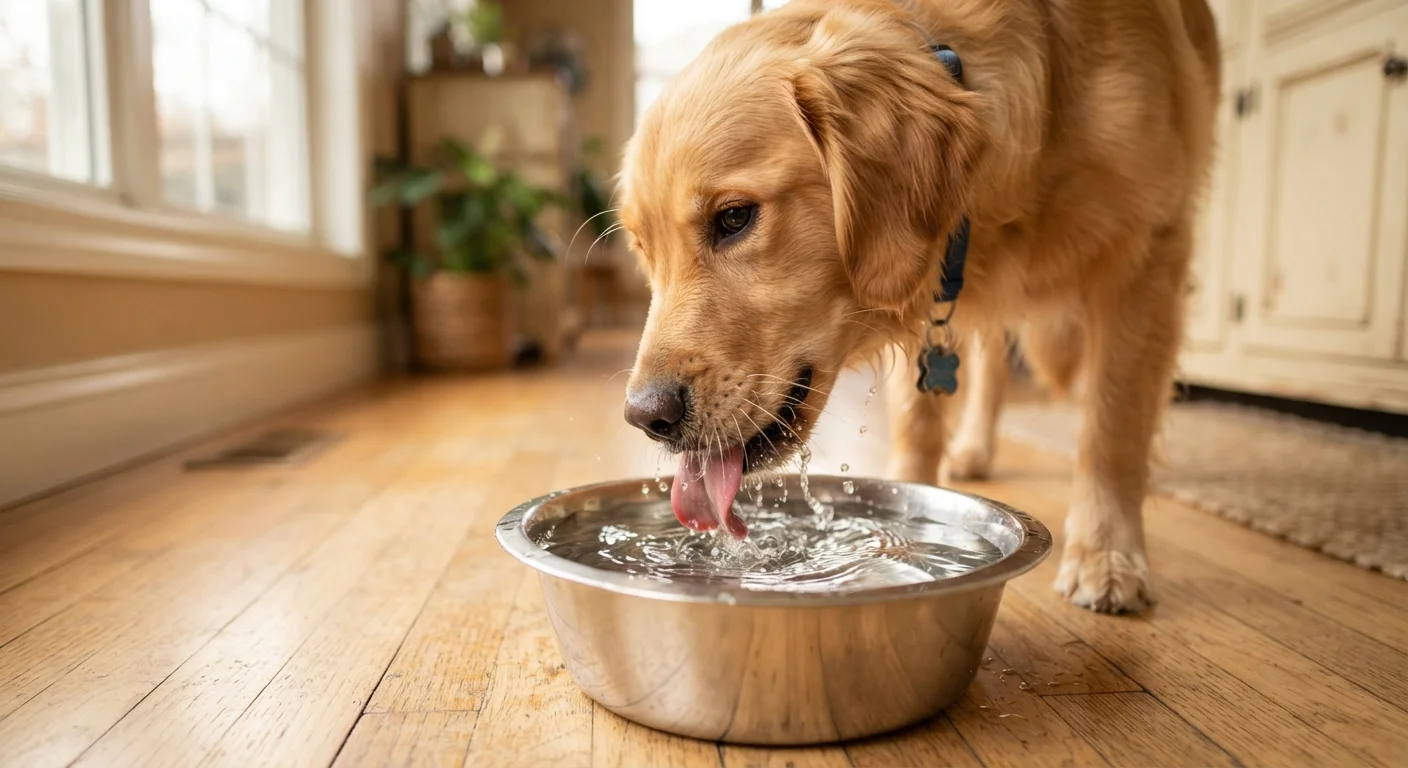
Bowl material matters more than most owners expect. Plastic bowls scratch over time, and those scratches harbor bacteria that regular rinsing won't remove. Stainless steel and ceramic bowls are generally easier to keep clean and are less likely to retain odors or contaminants.
Bowl placement also influences drinking behavior, particularly in cats. Cats tend to prefer water sources located away from their food — in the wild, proximity of water to prey is associated with contamination. Placing a water bowl in a separate room or across the kitchen from the food dish can noticeably increase feline water intake.
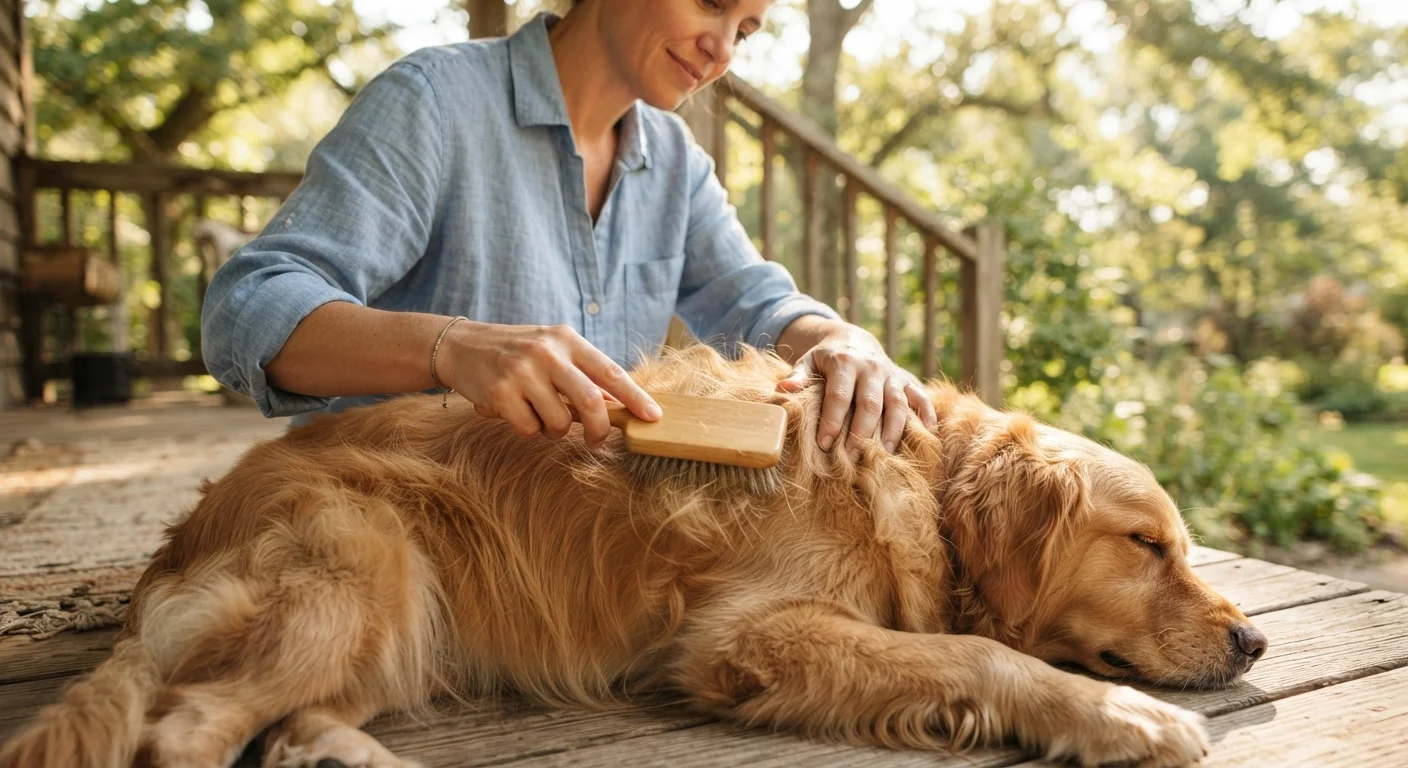
Routine preventive care extends to hydration habits just as it does to grooming. The daily habits that keep pets healthy year-round are a useful complement to strong hydration practices.
Recognizing Dehydration and When to Act
Mild dehydration can be difficult to spot, which is why building a baseline understanding of your pet's normal drinking habits is important. A meaningful drop in water intake — or a sudden spike — can both signal underlying health concerns worth discussing with a veterinarian.
The classic home test for dehydration is the skin turgor check: gently pinch the skin at the back of the neck and release. In a well-hydrated pet, it springs back immediately. In a dehydrated animal, it returns to position more slowly. Dry or sticky gums are another reliable indicator.
Severe dehydration is a medical emergency. If your pet is showing signs of extreme lethargy, vomiting, or collapse alongside reduced water intake, contact your veterinarian or an emergency animal clinic without delay. This content is for general information only and is not a substitute for professional veterinary assessment.
Hydration needs also shift as pets age. Senior pets have different care requirements — including changes in kidney function that make water intake even more critical to monitor.
Practical Steps to Encourage Better Drinking Habits
The good news is that improving your pet's hydration doesn't require special equipment or significant expense. A few consistent, low-effort practices can make a measurable difference.
- Refresh water at least once daily and wash the bowl every one to two days with dish soap and warm water.
- Use stainless steel or ceramic bowls for easier cleaning and longer hygiene maintenance.
- Experiment with bowl placement — especially for cats, distance from the food bowl often matters.
- Consider a pet water fountain if your cat or dog consistently shows low interest in standing water. Many animals are drawn to moving water.
- Add wet food to the rotation if your pet eats exclusively dry kibble. Even partial substitution increases overall moisture intake.
- Monitor intake relative to weather and activity — adjust accordingly on hot days or after vigorous exercise.
These habits sit alongside other routine care essentials. Questions about dental health, for example, are closely connected to overall wellness — pet dental care is another commonly underestimated area worth understanding.
This article is for general informational purposes only and does not constitute veterinary medical advice. Always consult a qualified veterinarian for guidance specific to your pet's health needs.