

Why Weight Gain Happens in Pets
At its core, pet obesity follows the same principle as in humans: when caloric intake consistently exceeds energy expenditure, the body stores the surplus as fat. But the practical reasons this happens in companion animals are often specific to how we care for them.
Overfeeding is the most common cause. Free-feeding — leaving food available at all times — makes it difficult to track how much a pet actually consumes. Portion sizes on commercial food packaging are frequently listed as ranges, and many owners err toward the higher end. Add to this the steady accumulation of treats, table scraps, and food rewards, and daily caloric totals can far exceed a pet's actual needs.
Insufficient physical activity compounds the problem. Indoor cats, in particular, often have little environmental stimulation that encourages movement. Dogs in households with busy schedules may receive fewer or shorter walks than recommended for their size and breed.
Life stage and hormonal changes also play a role. As pets age, their metabolic rate generally slows, meaning they require fewer calories to maintain the same weight. Spaying and neutering can further reduce metabolic rate. Owners who don't adjust food portions to reflect these changes may unintentionally enable gradual weight gain.
Some pets also carry genetic predispositions. Certain dog breeds — Labrador Retrievers are among the most studied — have gene variants that affect hunger signaling, making them more likely to overeat when given the opportunity. For a broader look at what the evidence says about pet health patterns, see The Truth Behind Common Pet Health Myths.
59%
of U.S. dogs classified as overweight or obese
According to the Association for Pet Obesity Prevention's annual survey, a majority of American dogs fall above their ideal body weight.
61%
of U.S. cats classified as overweight or obese
The same Association for Pet Obesity Prevention survey found cats to be even more affected than dogs by excess body weight nationally.
1.8 years
Potential reduction in lifespan from obesity in dogs
Research published in veterinary journals has associated obesity in dogs with a measurably shorter healthy lifespan compared to lean counterparts.
The Health Risks of Carrying Excess Weight
Excess body fat is not simply a cosmetic issue. In companion animals, obesity is associated with a range of serious, often progressive health conditions.
Musculoskeletal problems are among the most immediate. Extra body weight places disproportionate stress on joints, accelerating the progression of osteoarthritis — a degenerative joint disease that causes chronic pain and reduced mobility. In dogs already predisposed to hip or elbow dysplasia, obesity markedly worsens outcomes.
Metabolic disease is another significant concern. Obese cats face a substantially elevated risk of developing diabetes mellitus, a condition requiring lifelong management. Dogs are also susceptible to insulin resistance as body fat increases. Fatty liver disease (hepatic lipidosis) is a potentially life-threatening condition in cats that can develop even during rapid weight loss, underscoring why veterinary supervision matters.
Respiratory and cardiac strain increases in overweight animals, reducing exercise tolerance and, over time, affecting heart and lung function. Obese pets also face higher surgical and anesthetic risk — a practical concern for animals who may need procedures later in life.
Reduced life expectancy is well-documented. Research in dogs has found that maintaining a lean body condition throughout life is associated with a meaningful increase in healthy lifespan compared with overweight counterparts.
“Obesity is the most common preventable disease in dogs and cats. The good news is that with proper nutrition, exercise, and veterinary guidance, it is also one of the most treatable.”
— Ernie Ward, Founder, Association for Pet Obesity Prevention
Understanding these risks is the first step. For guidance on how routine habits can support healthy weight, visit routine changes that can help.
How Veterinary Care Fits Into the Picture
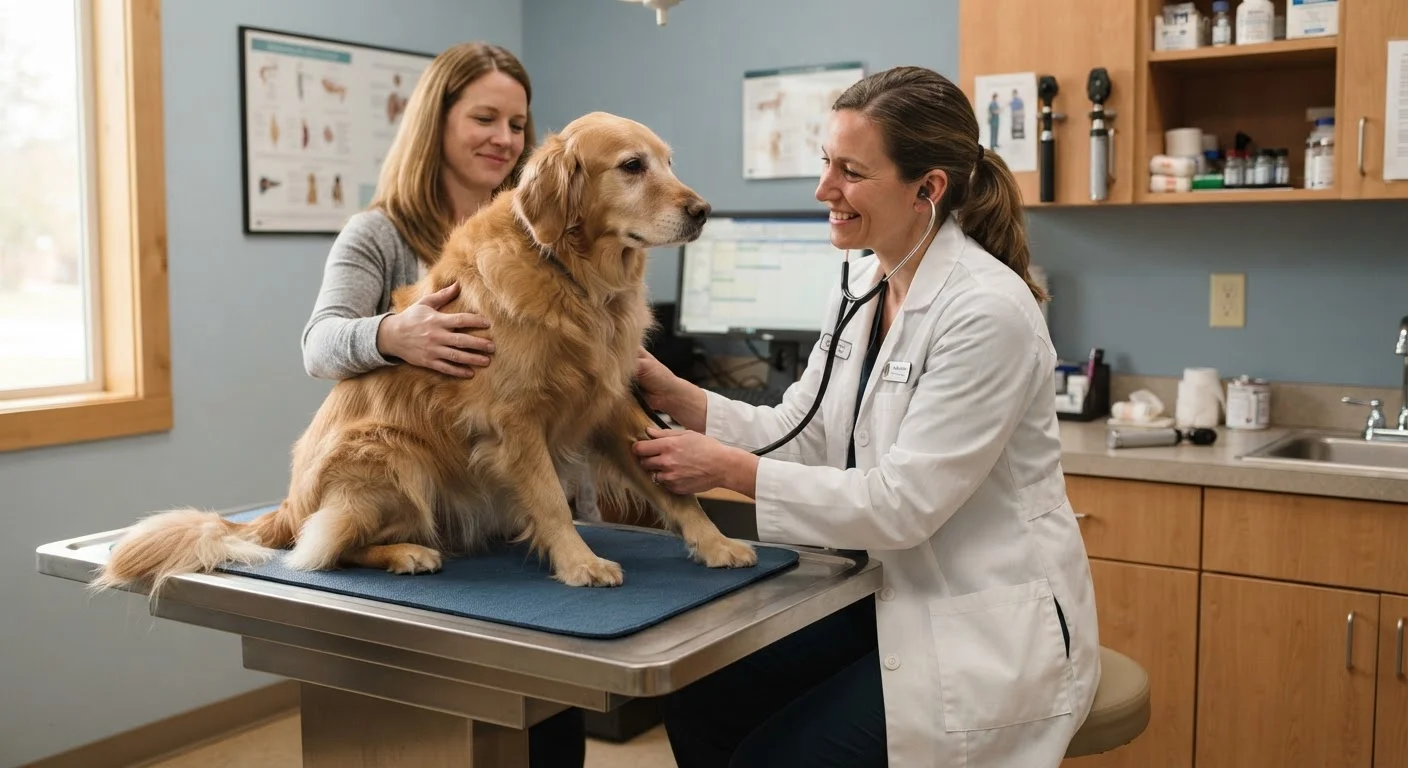
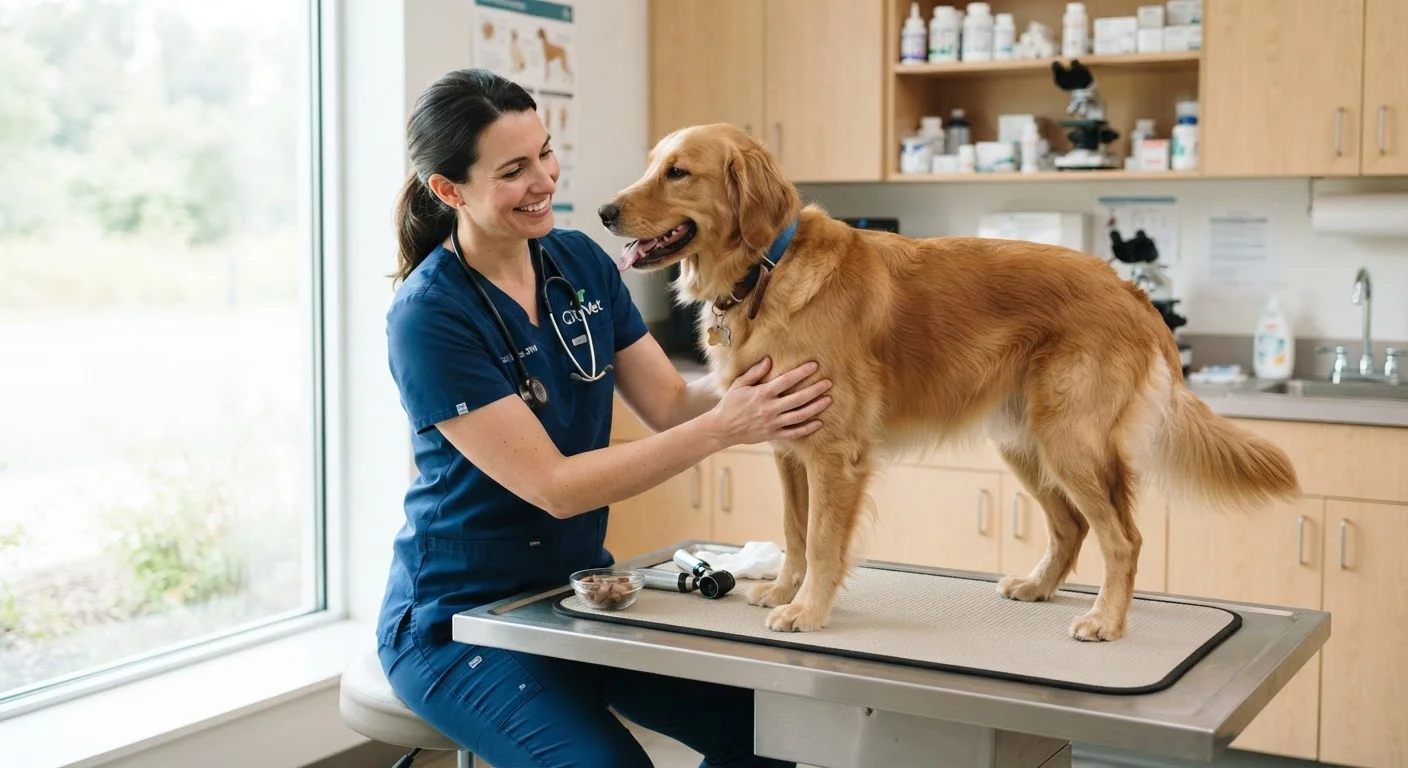
One of the most effective tools for preventing or addressing pet obesity is consistent veterinary oversight. Body weight and condition are assessed at every wellness exam, giving vets an objective record of changes over time. Because weight gain in pets is typically gradual, owners may not notice a problem until it has progressed significantly — which is exactly why routine visits matter.
Track Weight at Home Between Vet Visits
Many pet owners find it helpful to weigh their animals monthly using a home scale or a pet-friendly scale at a local veterinary clinic. Logging your pet's weight over time makes it much easier to spot gradual changes before they become significant. Share this record with your veterinarian at each appointment.
Veterinarians can also identify underlying conditions that contribute to weight gain, including hypothyroidism in dogs or other endocrine disorders. Not every overweight pet is simply overfed — a clinical evaluation rules out medical causes before a management plan is developed.
If weight management is needed, your vet can recommend a caloric target, an appropriate feeding schedule, and a realistic activity plan tailored to your pet's age, breed, and health status. These plans should always be developed under veterinary guidance rather than through general-purpose internet advice.
Wellness visits aren't just for sick pets — they're where weight trends, early disease markers, and preventive needs are caught before they escalate. Making these visits a regular part of your pet's care is one of the most actionable things an owner can do for long-term animal health.
This article is for general informational purposes only and is not a substitute for professional veterinary advice. Always consult a licensed veterinarian for guidance specific to your pet's health and circumstances.