

What Responsible Pet Ownership Actually Means
Most people picture responsible pet ownership as keeping a bowl full and the leash clipped. Those basics matter — but they are the floor, not the ceiling. True responsibility encompasses legal accountability, proactive health management, community awareness, financial preparedness, and a lifelong ethical commitment to an animal that cannot advocate for itself.
Whether you are preparing to get your first pet or reassessing your current routine, understanding the full scope of what ownership requires helps you make decisions that are fair to your animal, your household, and everyone around you.
6.5M
Animals entering U.S. shelters annually
According to the ASPCA, approximately 6.5 million companion animals enter U.S. animal shelters each year.
80%
Pets with periodontal disease by age 3
The American Veterinary Dental College estimates that most dogs and cats show signs of periodontal disease by their third year.
~$1,500
Average emergency vet visit cost
Industry surveys consistently place the average unexpected veterinary emergency in the range of $800–$1,500 or more, depending on severity and location.
Legal Obligations Every Owner Should Know
Pet ownership carries enforceable legal responsibilities that vary by municipality but share common themes across the United States.
- Licensing and registration: Most jurisdictions require dogs — and sometimes cats — to be licensed annually. Licensing supports animal control funding and helps reunite lost animals with owners.
- Leash and containment laws: Off-leash ordinances exist in most cities. Even in areas with fewer restrictions, owners are typically liable for injuries or property damage their animals cause.
- Vaccination mandates: Rabies vaccination is legally required in all 50 states for dogs; many states also mandate it for cats. Failure to comply can result in fines and, in bite incidents, mandatory quarantine.
- Nuisance laws: Excessive barking, unsanitary conditions, and animals that repeatedly threaten neighbors can result in complaints, fines, or forced removal of the animal.
If you rent your home, housing adds another legal layer. Navigating leases, deposits, and landlord rules is a practical step many owners overlook until a conflict arises.
Liability Follows the Owner
In most U.S. states, pet owners bear legal liability for bites, injuries, or property damage their animals cause — regardless of whether the animal had a prior history of aggression. Some states apply strict liability; others use a 'one-bite' standard. Understanding your state's laws and whether your homeowner's or renter's insurance covers pet-related incidents is an important step that many owners skip until it is too late.
Preventive Health: More Than Annual Shots
Vaccinations are important, but comprehensive preventive care goes considerably further. A proactive health approach reduces suffering, catches disease early, and often lowers lifetime veterinary costs.
- Parasite prevention: Fleas, ticks, heartworm, and intestinal parasites require year-round management in most U.S. climates. Your veterinarian can recommend an appropriate protocol based on your pet's lifestyle and region.
- Spaying and neutering: Widely recommended by veterinary organizations as a measure that reduces certain cancers, behavioral issues, and population-level shelter intake.
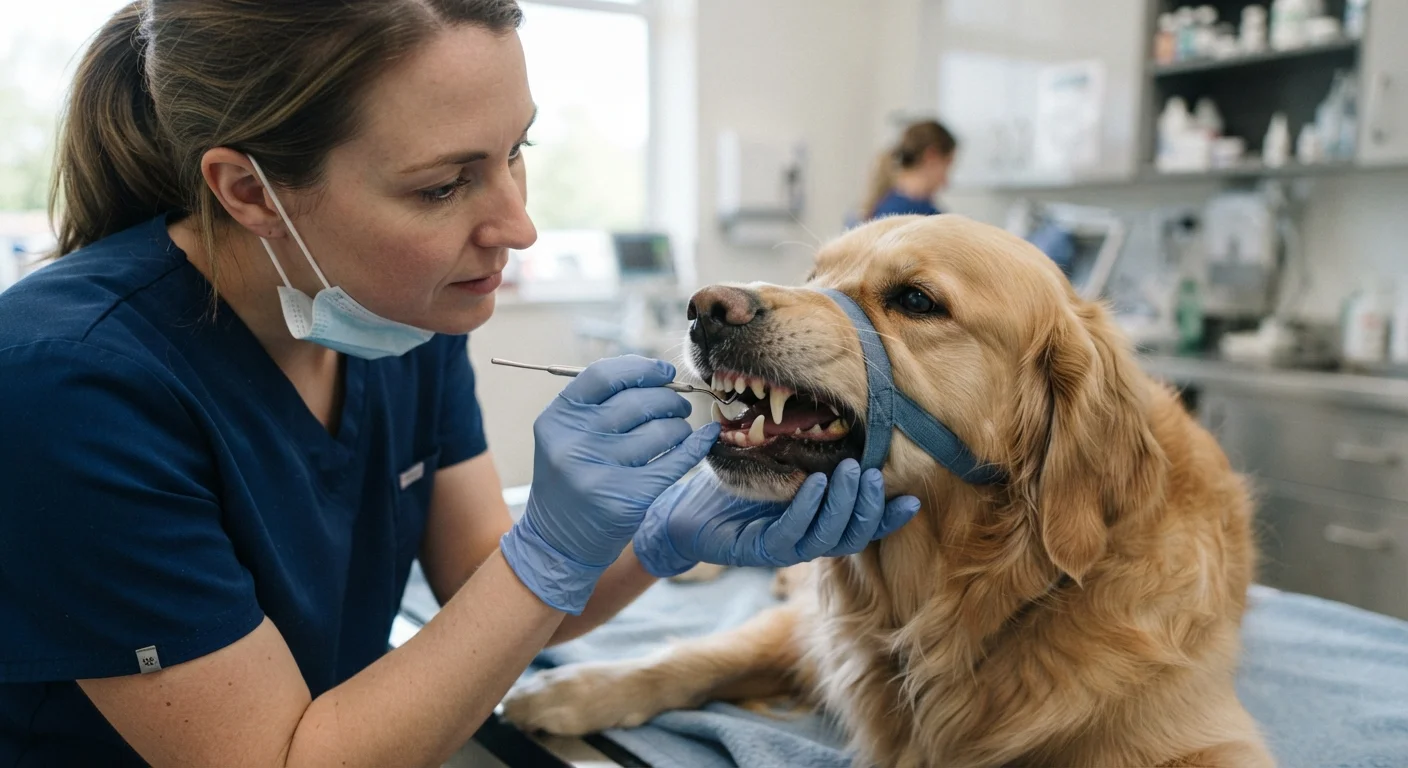
- Dental health: Periodontal disease affects the majority of dogs and cats by age three. Dental care for pets is one of the most overlooked components of routine wellness.
- Weight management: Obesity in pets is associated with diabetes, joint disease, and reduced lifespan. Regular weigh-ins and diet discussions with your vet are part of responsible care.
For a broader introduction to veterinary wellness, a health and wellness primer for new pet owners covers the foundational checkpoints every owner should understand.
Schedule a wellness exam with your veterinarian every six to twelve months — not just when something seems wrong. Many conditions, from dental disease to early kidney changes, are detectable well before symptoms appear.
Preventive exams allow veterinarians to establish baseline health metrics and catch gradual changes that owners may not notice at home.
Keep a simple pet health file — vaccination records, medication history, and your vet's emergency contact — in a location you can access quickly, even if you're away from home.
In an emergency or boarding situation, having records immediately available reduces delays in care and prevents duplicated or contraindicated treatments.
Social and Community Responsibilities
Your pet exists in a shared world. Responsible owners recognize that their animal's behavior — and their own management of it — affects neighbors, visitors, and strangers who did not choose to interact with a pet.
Core social responsibilities include:
- Picking up waste in public spaces and on others' property
- Keeping animals from approaching people or other animals without permission
- Socializing pets appropriately so they can navigate public spaces calmly
- Disclosing pet ownership honestly when renting, visiting, or boarding
Ownership also carries emotional dimensions that affect households and relationships. The emotional side of pet ownership is often underestimated — both the rewards and the weight of caregiving deserve honest consideration before and during ownership.
Ask Before Letting Your Pet Approach
Even a friendly, well-trained dog can startle or frighten someone with a phobia, allergy, or past trauma. Making it a habit to ask 'May my dog say hello?' before allowing contact models good social behavior and respects the autonomy of the people around you. It also reduces the risk of an unexpected bite incident in high-stimulation environments.
Planning for the Long Haul
A pet is a multi-year — often multi-decade — financial and logistical commitment. Many surrenders to shelters occur because owners were unprepared for costs or life changes, not because they stopped caring.
Planning ahead means addressing several areas:
- Emergency veterinary funds: Unexpected illness or injury can cost thousands of dollars. A dedicated savings reserve or pet insurance policy can prevent financial crisis from becoming an animal welfare crisis.
- Contingency care plans: What happens to your pet if you are hospitalized, travel for work, or face a housing transition? Naming a designated caretaker and keeping vaccination records accessible is a practical safeguard.
- End-of-life decisions: Quality-of-life conversations with your veterinarian, including when palliative care or humane euthanasia may be appropriate, are part of responsible stewardship — not a failure of love.
The Pet Health hub offers ongoing guidance to help owners stay ahead of their animal's changing needs across life stages.
Don't Wait for a Crisis to Plan
Many pet owners assume they will handle emergencies as they arise — but a serious diagnosis, a job loss, or a housing change can compress decision-making into hours. Without a financial cushion, a care plan, or a named emergency contact for your pet, you may face choices that compromise your animal's welfare. Building those safety nets during stable times is far easier than assembling them under pressure.
The Ethical Dimension of Ownership
Responsible ownership begins before you bring an animal home. The source of a pet — a shelter, a reputable breeder, or an informal seller — carries ethical weight that affects animal welfare at a population level.
Shelters and rescues house millions of animals annually in the U.S. Adopting from these organizations directly reduces euthanasia rates and supports the broader infrastructure of animal welfare. If acquiring from a breeder, responsible buyers research breeding practices, avoid operations with signs of mass or inhumane production, and ask to see health clearances for the parent animals.
Beyond acquisition, ethical ownership means committing to an animal for its natural life. Surrendering a pet because it became inconvenient — as opposed to a genuine safety or welfare crisis — contributes to shelter overcrowding and animal stress. The decision to own a pet should be made with a realistic understanding of the animal's lifespan, needs, and the changes your own life may bring.
For foundational guidance before making that commitment, our Pet Care Basics hub provides practical starting points for prospective and new owners alike.
This article is for general informational purposes only and does not constitute veterinary, legal, or financial advice. Consult a licensed veterinarian for guidance specific to your pet's health, and a qualified legal or financial professional for advice related to your circumstances.
Responsible Ownership Looks Different by Species
The responsibilities outlined here are framed broadly, but the specifics vary considerably by animal. A rabbit's legal status, health needs, and social behavior differ meaningfully from a dog's or a cat's. Before adopting any animal, research the particular needs, typical lifespan, and local regulations that apply to that species. General pet care resources may not capture the nuances of less common companion animals.