

The Bond Is Real — and So Is Its Weight
Most conversations about getting a pet center on logistics: what to feed them, how often to walk them, what vaccinations they need. Rarely do they address what happens emotionally over the weeks, months, and years that follow. Yet for most owners, the emotional dimension of pet ownership turns out to be the most defining part of the experience.
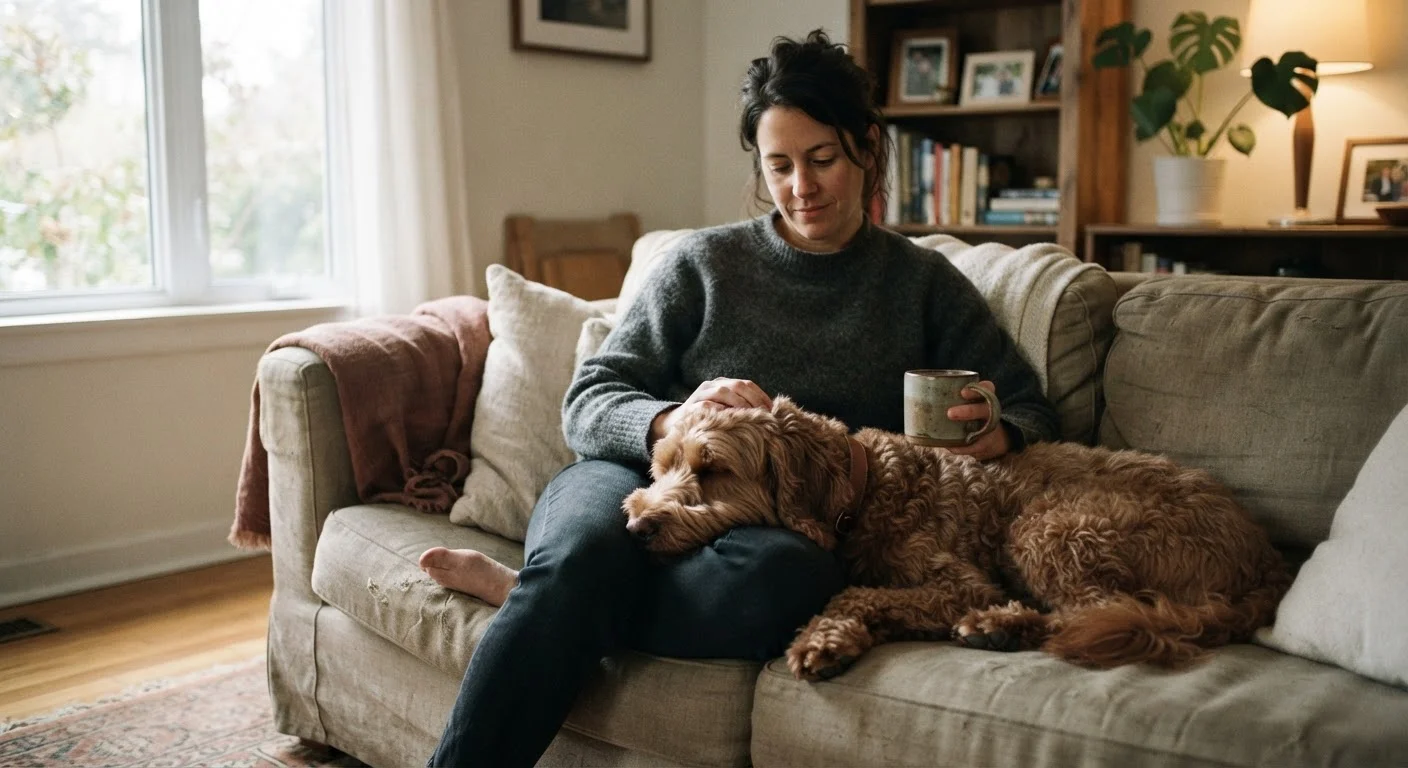
The attachment people form with companion animals is genuine. Pets become woven into daily routines, sleeping patterns, and emotional rhythms. Research in human-animal interaction consistently finds that many owners experience their pets as family members, with corresponding levels of concern for their well-being. That attachment is a source of real comfort — and a source of real vulnerability.
Understanding this from the outset helps. If you're considering bringing a pet home, see our health and wellness primer for new pet owners for a grounded look at what early ownership actually involves.
67%
U.S. households that own a pet
According to the American Pet Products Association's National Pet Owners Survey, approximately two-thirds of American households include at least one pet.
~74%
Pet owners who consider their pet a family member
Multiple surveys, including those conducted by the Human Animal Bond Research Institute, consistently find that the large majority of owners describe their pets as members of the family.
Everyday Emotional Experiences Owners Rarely Anticipate
Three emotional experiences tend to catch new owners off guard:
- Chronic low-level worry. Owners regularly monitor their animals for signs of illness, discomfort, or distress. This vigilance is responsible, but it can shade into persistent anxiety — particularly around veterinary costs and the uncertainty of not being able to ask a pet how it feels. Our article on signs your pet may be stressed can help you distinguish concern from reactivity.
- Guilt. Working long hours, traveling, or simply having a difficult week can trigger guilt about time away from an animal. This guilt is nearly universal among owners and frequently outpaces the actual impact on the pet.
- Identity adjustment. Owning a pet changes how you spend your time, who you socialize with, and what decisions you can make spontaneously. For some owners, especially those living in smaller spaces, this shift requires real adaptation. The trade-offs involved in owning a pet in a small apartment are a useful example of the lifestyle recalibration ownership often demands.
Normalize the Difficult Emotions Early
Guilt, worry, and frustration are not signs that you made the wrong choice in getting a pet — they are normal features of genuine attachment and responsibility. Naming these feelings rather than suppressing them makes them easier to manage. Talking with other pet owners, your veterinarian, or a mental health professional can all be useful when these emotions feel persistent or overwhelming.
The Emotional Benefits Are Also Worth Naming
Balanced honesty requires acknowledging what the research supports: companion animals can meaningfully buffer loneliness, provide a sense of purpose, and anchor daily structure. For many people, particularly those living alone or navigating periods of stress, a pet's consistent presence is genuinely stabilizing.
These benefits are real, but they are not automatic or guaranteed for every person or situation. They also exist alongside the challenges described above — the benefits and the burdens are part of the same relationship, not separate ones.
“The human-animal bond is a mutually beneficial and dynamic relationship between people and animals that is influenced by behaviors considered essential to the health and well-being of both.”
— Human Animal Bond Research Institute, Organization dedicated to the scientific study of human-animal relationships
Pet ownership can also intersect with broader mental wellness practices. If you are exploring ways to manage emotional health holistically, our mental wellness hub offers relevant guidance.
Pet Loss and the Grief That Follows
The hardest emotional reality of pet ownership is that, for most companion animals, their lifespan is shorter than ours. Owners who have never experienced pet loss often underestimate how significant it is until it happens. The grief can be acute — disrupted sleep, a changed routine, and a particular silence in the home.
Pet bereavement is a recognized area of psychological support. Resources including grief counselors who specialize in animal loss, veterinary social workers, and peer support groups exist specifically because this experience is both common and frequently minimized by people who haven't been through it. Seeking support is appropriate and practical, not excessive.
For prospective owners, knowing this in advance is not meant to discourage — it is meant to prepare. The emotional investment you make is also what makes the relationship valuable. Understanding what responsible ownership truly involves includes accepting the full arc of that relationship, including its end.
This article is for general informational purposes only and does not constitute medical, psychological, or veterinary advice. If you are experiencing significant emotional distress, please consult a qualified mental health professional.