
The Core Phases of a Development Project
Property development follows a recognizable sequence of phases, even though each project has its own complications and timelines. Understanding these phases helps buyers, investors, and community members grasp what actually happens between an empty lot and a finished building.
Site Acquisition: The developer identifies and purchases land that suits a specific vision — whether residential, commercial, or mixed-use. Due diligence at this stage includes environmental assessments, title review, and preliminary market analysis. Explore real estate listings to understand how raw land and development parcels are marketed and valued.
Entitlement: Before any construction begins, the developer must secure legal permission to build. This involves applying for zoning approvals, variances, environmental clearances, and building permits from local municipalities. This phase is often unpredictable and can stall projects significantly.
Design and Pre-Construction: Architects, civil engineers, and planners collaborate to produce detailed construction documents. Value engineering — reviewing designs to control costs without sacrificing quality — typically happens here.
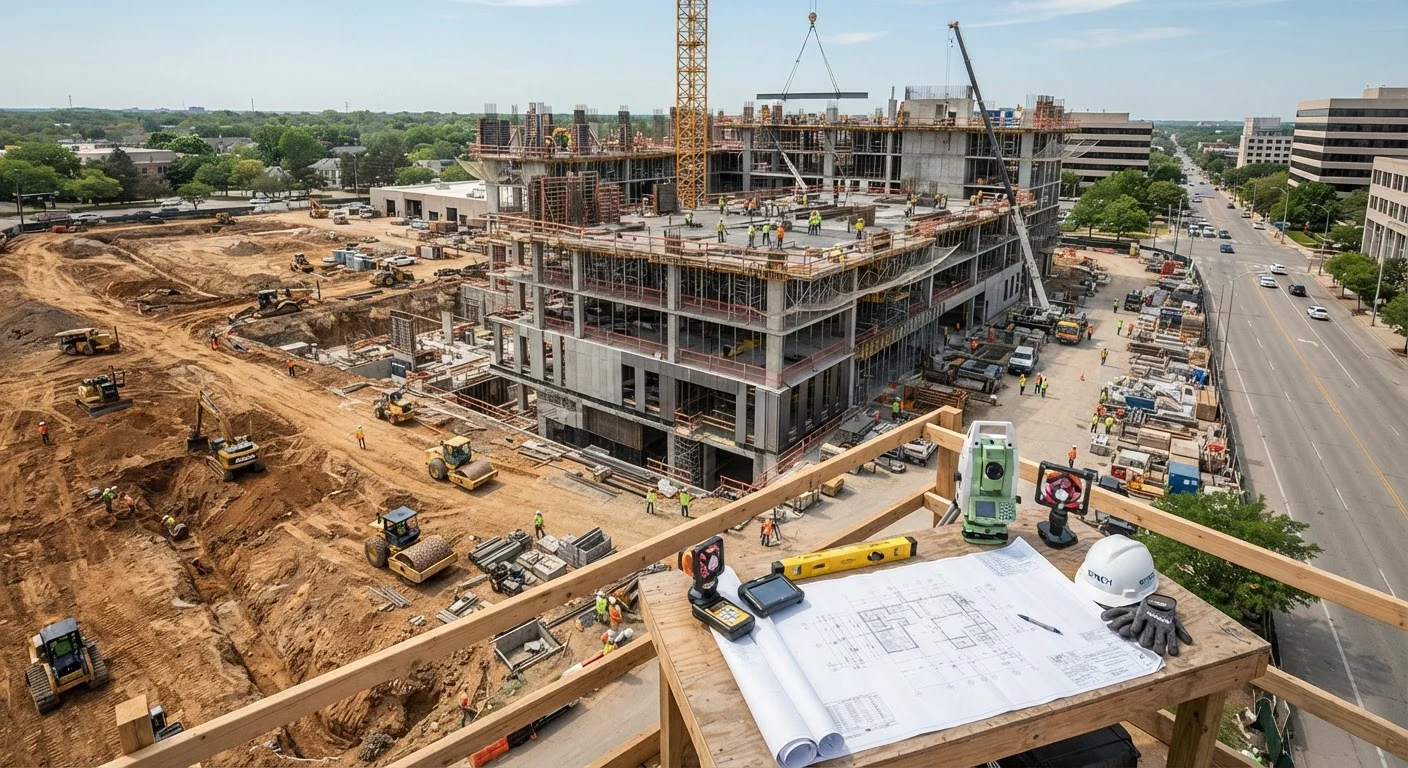
Construction: A general contractor is engaged to build the project. They manage subcontractors across trades including electrical, plumbing, and structural work. Developers monitor progress, costs, and schedule closely throughout this phase.
Disposition: Once complete, the property is either sold to end users, leased to tenants, or held as an investment asset. The developer's exit strategy often shapes decisions made much earlier in the process.
Feasibility Analysis Shapes Every Decision
Before committing to a site, experienced developers conduct a feasibility study that models projected costs, revenues, and timelines. This analysis informs whether a project is financially viable and helps identify risks early. Skipping or underinvesting in this stage is a common source of costly problems later in the development process.
Who Are the Key Players?
Property development is never a solo effort. It requires a coordinated team with specialized expertise at each phase.
- Developer: The central decision-maker who assembles the team, secures financing, and manages overall project execution.
- Architect: Translates the developer's vision into technical drawings that comply with building codes and zoning requirements.
- Civil and Structural Engineers: Address grading, drainage, foundations, and the structural integrity of the building.
- General Contractor: Executes construction by managing subcontractors and on-site operations.
- Lenders and Investors: Provide the capital required to fund land acquisition and construction. Construction financing is typically short-term, with higher interest rates than permanent mortgages.
- Municipal Agencies: Planning departments, building departments, and utility authorities approve permits and inspect work throughout the project.
Understanding the roles of these participants is especially useful if you are working with real estate services such as agents or consultants who operate at the intersection of development and end-user markets.
“Development is fundamentally about managing uncertainty across time. The decisions made in the earliest phases — site selection, entitlement strategy, capital structure — tend to have the largest impact on a project's ultimate outcome.”
— Urban Land Institute, Leading real estate and land use research organization
Risk, Sustainability, and What Comes Next
Property development carries meaningful financial and operational risk. Market conditions can shift during a multi-year project, construction costs can escalate unexpectedly, and entitlement approvals are never guaranteed. Developers manage these risks through thorough feasibility analysis, contingency budgets, and phased project structures.
12–24 months
Typical entitlement timeline for complex projects
Industry practitioners widely report that entitlement and permitting can consume one to two years or more for larger developments, depending on local regulatory complexity.
~30%
Construction cost share typically attributed to labor
According to the National Association of Home Builders, labor costs represent a significant share of total residential construction costs, with materials comprising much of the remainder.
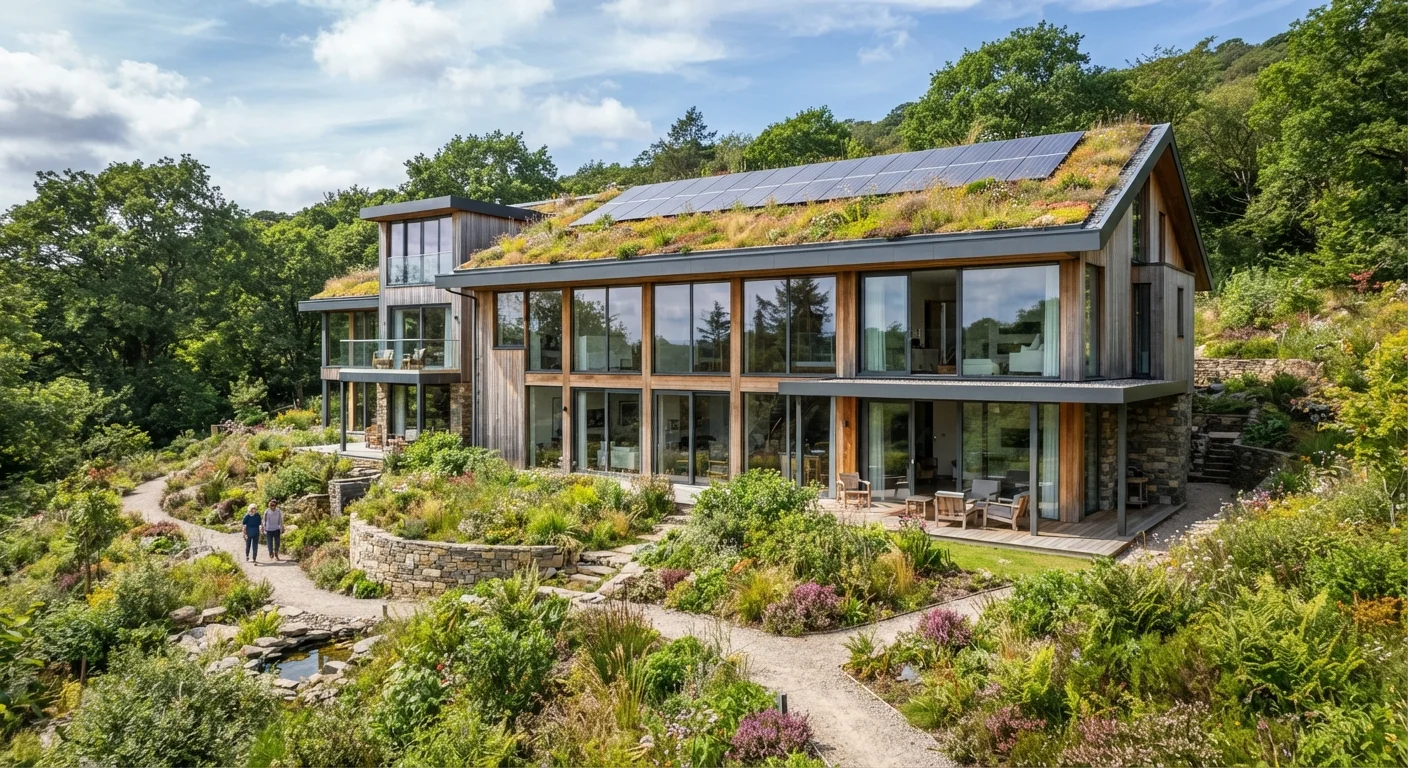
Sustainability has become an increasingly important consideration. Site planning, material selection, and energy systems all influence a development's long-term environmental and economic performance. Responsible developers integrate these considerations from the earliest design stages. For a detailed look at these practices, see our article on sustainable building practices in modern property development.
If you're new to real estate development terminology, building a working vocabulary is an important next step. Our glossary of key property development terms covers essential concepts from entitlements and cap rates to hard costs and absorption rates — making more advanced content accessible to newcomers.
This article is for informational and educational purposes only and does not constitute financial, legal, or investment advice. Consult a qualified professional before making real estate or investment decisions.