

Two Ways to Book, Two Very Different Experiences
Every traveler faces the same fork in the road: book directly with a hotel, airline, or tour operator, or run a search on an online travel agency (OTA) like Expedia, Booking.com, or Hotels.com. On the surface, both paths lead to the same destination — but the journey, and what you give up along the way, can differ considerably.
OTAs built their appeal on convenience and comparison. In the mid-2000s, they fundamentally changed how Americans shop for travel by pulling thousands of options into a single interface. Direct booking channels responded by introducing loyalty programs, price-match guarantees, and member rates designed to win customers back. Today, both models are mature — and each has genuine strengths worth understanding before you click "reserve."
For a broader look at how these booking channels fit into the wider landscape of travel services, see our breakdown of full-service agencies, OTAs, and travel advisors.
| Criterion | Booking Direct | Third-Party Sites (OTAs) |
|---|---|---|
| Loyalty Points & Perks | Fully earned; elite benefits apply | Often forfeited or reduced |
| Price Comparison | Single property only | Hundreds of options at once |
| Exclusive Rates | Member/direct rates often available | Not accessible to OTAs |
| Bundling (flight + hotel + car) | Rarely available | Core feature |
| Modification Flexibility | Easier; property handles directly | Depends on OTA and property policies |
| Customer Service | Direct access to property or airline | Intermediary adds extra steps |
| Cancellation Clarity | Property policy applies directly | OTA and property policies may conflict |
Where Direct Booking Has the Edge
The clearest advantage of booking direct is access. Hotels and airlines frequently offer rates, room categories, or seat selections that simply don't appear on third-party platforms. Many major hotel chains operate member-only pricing tiers that require a free loyalty account — but those rates are never distributed to OTAs.
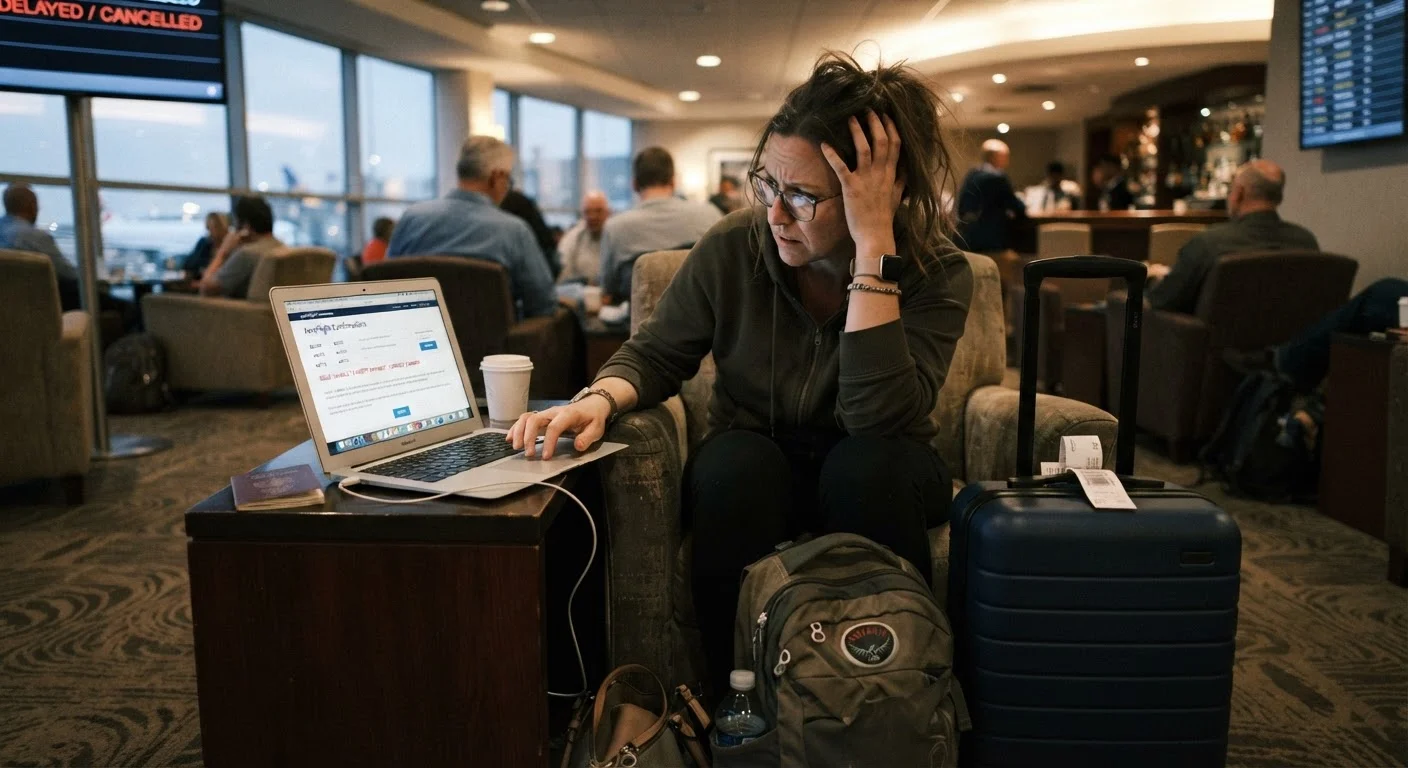
Customer service is another concrete difference. When a flight is canceled or a room isn't ready, guests who booked directly can negotiate with the property or carrier without going through an intermediary. That direct line matters more than it might seem; OTA-booked guests are sometimes told to contact the third party for any changes, creating delays precisely when speed is most valuable.
Modification and cancellation policies also tend to be more straightforward with direct bookings. The property controls the reservation and can apply exceptions at its discretion — something an OTA's standardized refund process rarely accommodates. For a realistic look at what can go wrong through a booking service, this article on common booking pitfalls is worth reading before you commit.
~50%
Share of U.S. hotel bookings made via OTAs
Industry analysts have estimated that roughly half of all U.S. hotel room nights are booked through third-party platforms, reflecting their significant market presence.
10–30%
Commission OTAs typically charge hotels
Hotels generally pay OTAs a commission per booking, which influences why many properties actively encourage guests to book direct through member rates or added-value perks.
Where Third-Party Sites Earn Their Place
OTAs genuinely shine when you're in discovery mode — when you don't yet know which hotel, airline, or rental car company you want, and comparison is the point. Sorting 200 hotels by price, distance from a landmark, and guest rating in under a minute is something no individual property's website can match.
Bundling is another real advantage. Packaging a flight, hotel, and car rental through a single OTA transaction can sometimes produce savings that aren't available when booking each element separately, though the actual discount varies significantly by destination, season, and availability. Prices on OTAs are not always lower — a reality worth checking before assuming the platform is offering a deal. Common myths about hotel pricing unpacks this in more detail.
OTAs also serve travelers who don't have — or don't care about — loyalty status with any particular brand. If you stay at a different hotel chain every trip, the loyalty calculus that favors direct booking simply doesn't apply.
For a deeper look at how OTAs differ structurally from traditional agencies, this comparison of OTAs and traditional travel agencies explains the operational distinctions clearly.
OTA Prices Aren't Always Lower
A widespread assumption is that third-party sites always offer the lowest rate. In practice, hotels frequently match or beat OTA prices for guests who book directly — especially when a loyalty account is involved. Before finalizing a reservation through an OTA, it's worth spending a few minutes checking the property's own website or calling the front desk. Rate-match guarantees, when a hotel offers them, can give you the best of both worlds: the comparison convenience of an OTA and the direct-booking advantages of going straight to the source.
Making the Call for Your Trip
No single booking channel wins universally. A practical approach is to use OTAs for research — to understand the price range and options in a market — and then visit the property's own site to see whether a direct rate is competitive or better. Many hotels operate best-rate guarantees and will match or beat a published OTA price when contacted directly.
The type of trip matters too. For straightforward leisure stays where plans are firm and brand loyalty isn't a factor, an OTA can be a perfectly reasonable choice. For complex itineraries, international travel, or trips where flexibility is essential, direct booking reduces the risk of getting caught between conflicting policies. Our side-by-side look at direct booking vs. travel services walks through specific scenarios in more detail.
Wherever you book, read the cancellation and modification terms carefully before confirming. The headline rate matters less than what happens if something changes — and in travel, something often does.