
Why Destination-Agnostic Principles Matter
Responsible tourism is often framed around specific places — fragile reef ecosystems, overcrowded European city centers, wildlife corridors in East Africa. But the underlying principles travel with you. Whether you're navigating a weekend city break or a months-long expedition, the same framework of cultural humility, environmental mindfulness, and economic accountability determines whether your presence adds to a place or quietly erodes it.
Before any trip, understanding a destination's tourism infrastructure helps calibrate expectations and behavior. Researching transportation, healthcare access, and accommodation tiers before you arrive isn't just logistical preparation — it's the first act of responsible travel.
Cultural Respect as a Daily Practice
Cultural respect rarely requires grand gestures. It shows up in smaller decisions: dressing appropriately at religious sites, asking permission before photographing people, learning a few phrases of the local language, and following the pace and social norms of the communities you move through. These aren't merely courtesies — they signal that you recognize the destination as a living place, not a backdrop.
Heritage sites demand particular care. Many carry legal protections and community significance that extend well beyond their visual appeal. Understanding what UNESCO designation actually means — including its implications for visitor access and conservation — helps travelers engage with these places at the right level of seriousness.
When in Doubt, Observe First
In unfamiliar cultural settings, a few minutes of quiet observation before acting can prevent missteps. Watch how locals move through a space, what they wear, how they interact with vendors or sacred areas. This approach works in temples, markets, rural communities, and urban neighborhoods alike — and it costs nothing except a little patience.
Economic Contribution That Reaches Local Communities
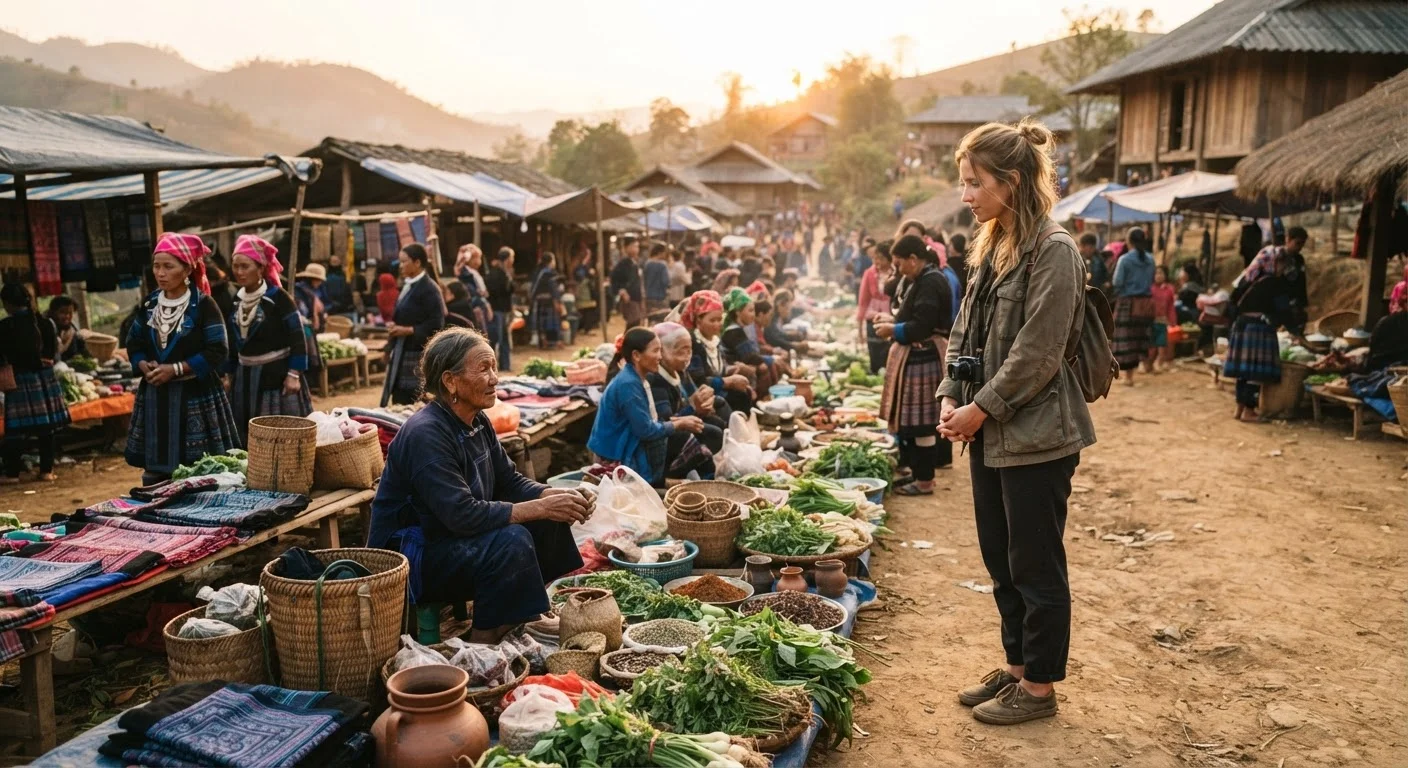
Tourism dollars don't automatically benefit the communities that host visitors. Large international hotel chains, cruise operators, and package-tour companies often retain the majority of spending within their own supply chains, a phenomenon researchers call tourism leakage. Conscious travelers reduce this gap by prioritizing locally owned guesthouses, hiring community-based guides, eating at independent restaurants, and purchasing crafts directly from artisans.
~80%
Estimated tourism revenue lost to leakage in some developing economies
The United Nations Environment Programme has noted that in some destinations, particularly small island and least-developed economies, a large share of tourism income flows back out through imports and foreign-owned operators rather than staying in the local economy.
1.2B+
International tourist arrivals recorded globally before pandemic disruption
The UN World Tourism Organization documented over 1.2 billion international arrivals in 2018, underscoring the cumulative scale of individual traveler decisions on communities and environments worldwide.
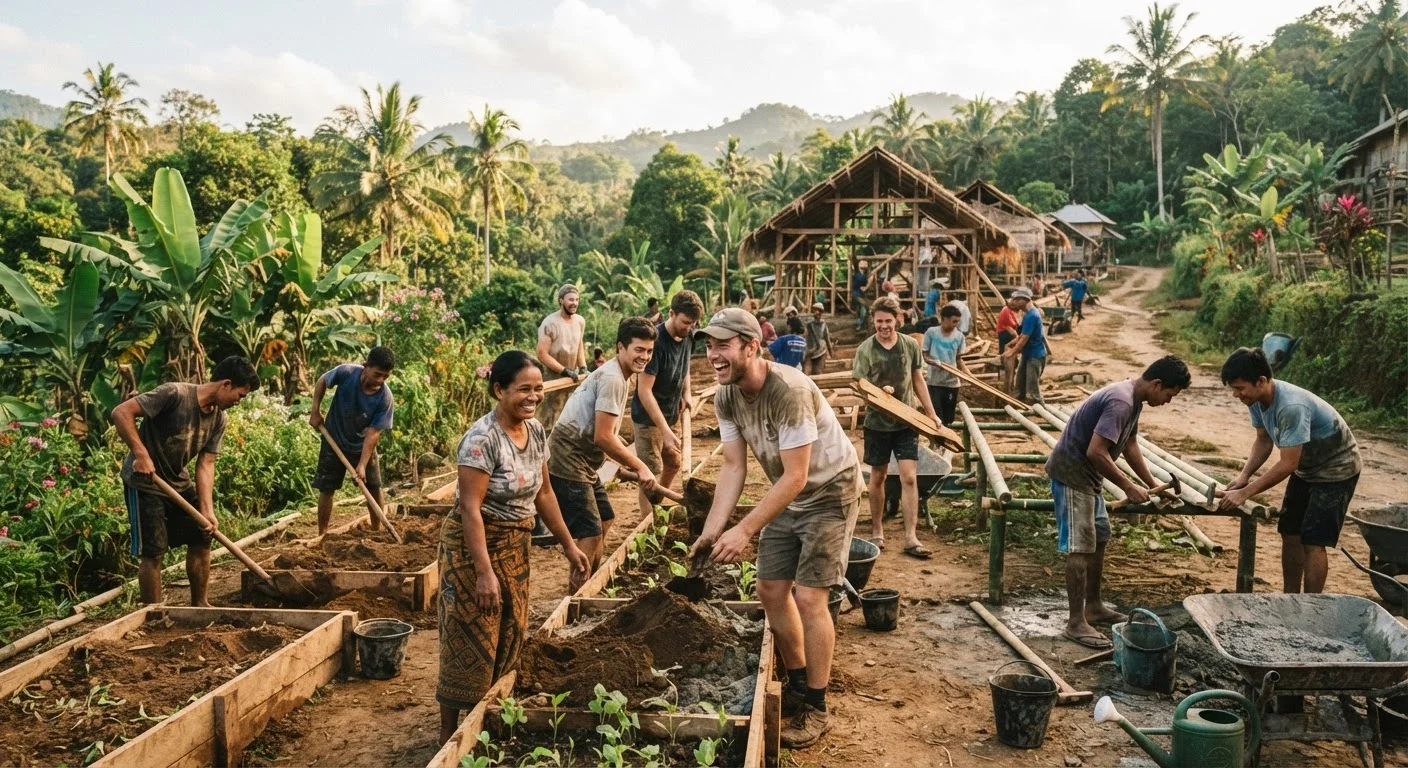
Voluntourism represents another dimension of economic responsibility — one that deserves scrutiny. Not all volunteer travel creates lasting benefit; some programs have been shown to displace local workers or serve the emotional needs of visitors more than the stated goals of host communities. A balanced look at what the research and practitioner experience say about voluntourism's effects is worthwhile for anyone considering that route.
Environmental Awareness Beyond Carbon Offsets
Environmental responsibility in travel extends well past carbon calculations. It includes trail etiquette, water and waste habits, reef-safe product choices, and — critically — wildlife interaction standards. Many popular wildlife experiences cause documented stress or harm to animals, even when marketed with eco-friendly language. Identifying genuinely ethical wildlife encounters requires specific criteria, not just good intentions.
For deeper exploration of niche travel types where environmental stakes are often highest — adventure, wellness, and ecological travel — the Specialty Travel hub brings together a range of destination-specific guidance.
This article provides general travel information and education. Conditions, regulations, and local norms vary widely by destination and change over time. Always verify entry requirements, safety advisories, and site-specific rules through official government and local authority sources before traveling.