
Why Solo Preparation Is Different
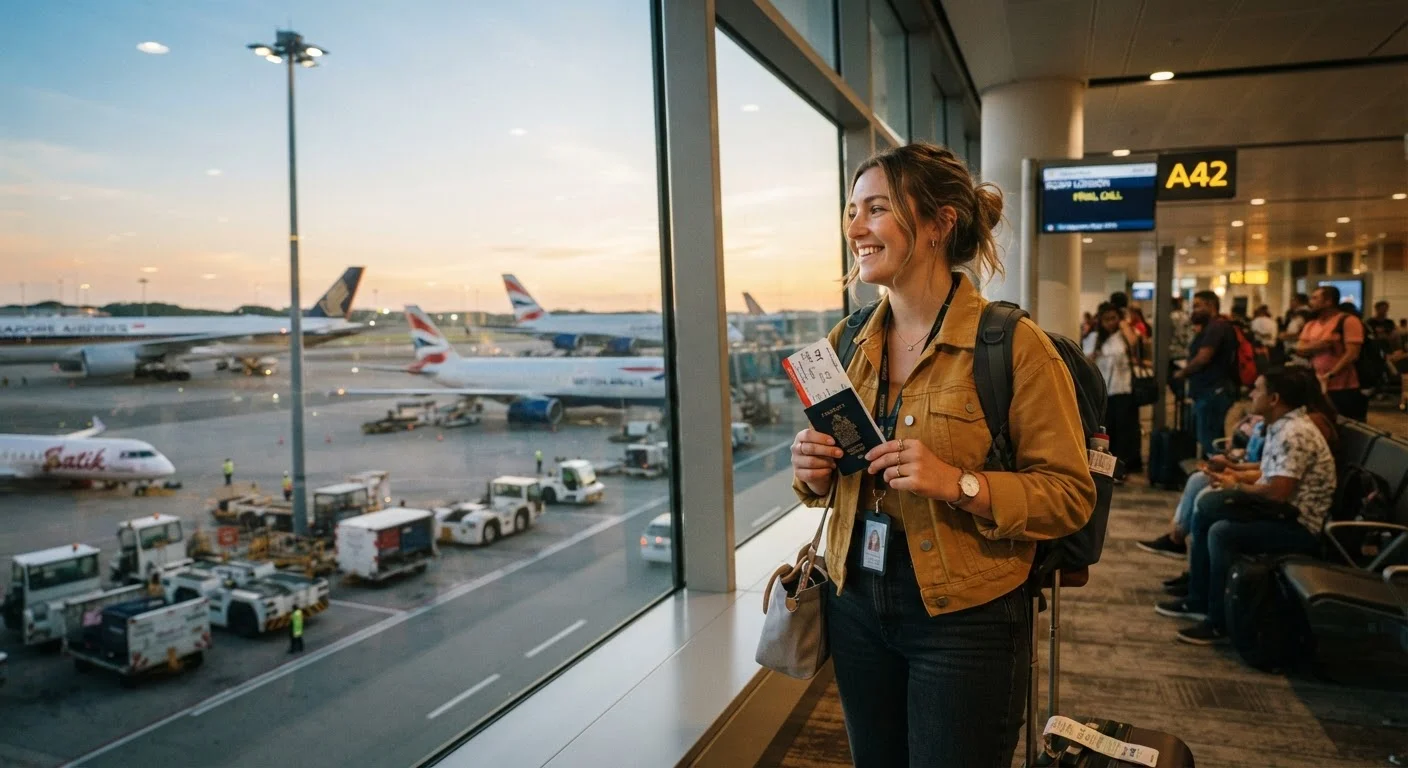
Traveling with a group means distributed responsibility — someone remembers the adapter, someone else keeps the hotel confirmation. Solo travel strips that safety net away entirely. Every document, every contingency plan, every emergency contact falls to you and you alone. That shift in accountability is exactly what makes solo international travel so rewarding, and exactly why preparation deserves more than a quick packing list the night before your flight.
This checklist is designed for Americans heading abroad alone for the first time, though experienced solo travelers will find it a useful audit. It covers the things that genuinely matter when something goes sideways — not just the things that are nice to have. For a broader foundation, see our guide to planning your first international trip as an American, which walks through passports, entry requirements, and currency basics.
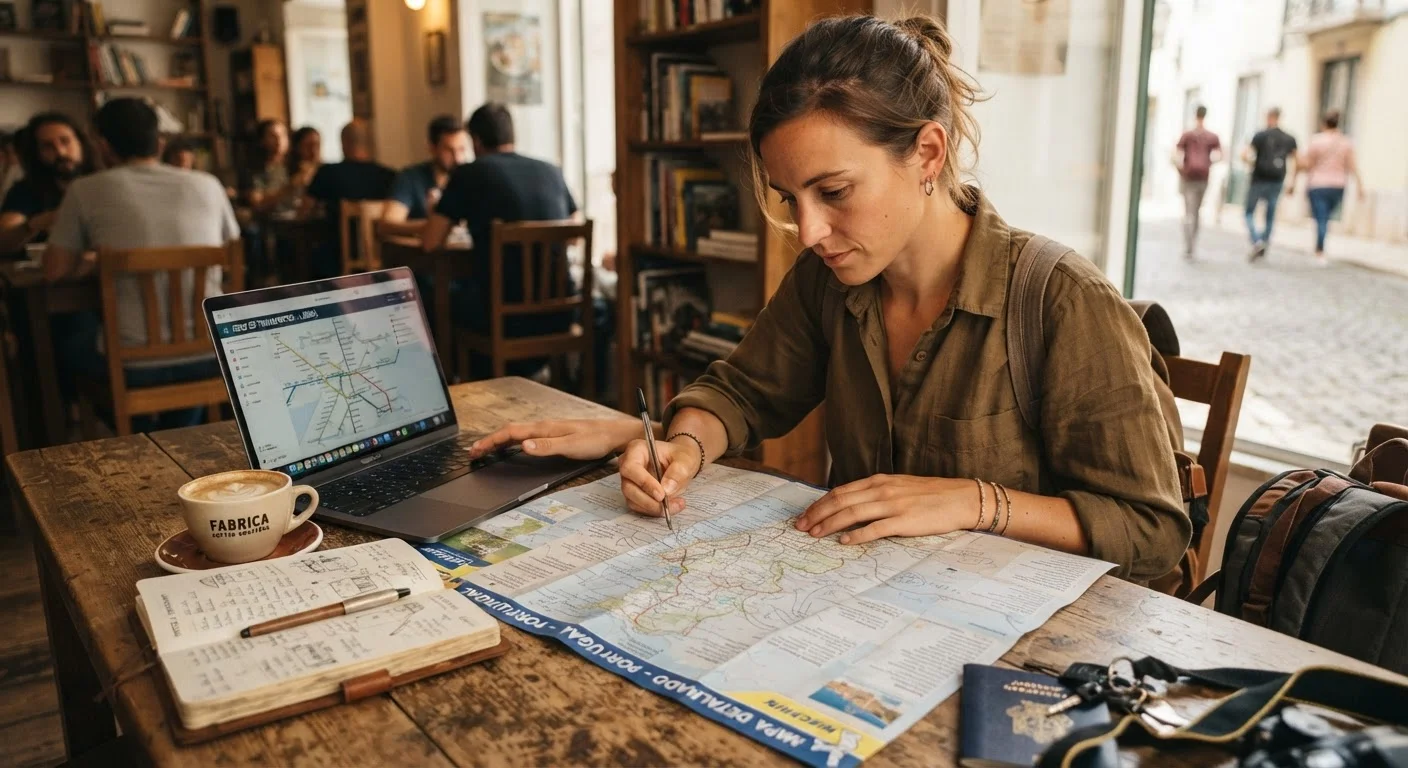
Work through these categories in the weeks before departure, not the night before. Some items — obtaining a visa, getting travel vaccinations, or arranging international phone coverage — take time that a last-minute checklist simply cannot accommodate.
U.S. Department of State – Country Information Pages
Official source for entry requirements, travel advisories, and safety conditions for every country.
Smart Traveler Enrollment Program (STEP)
Free U.S. government service that registers your trip with the nearest Embassy and enables emergency contact.
Travel Medicine Clinic or Primary Care Provider
Provides destination-specific vaccination advice and health precautions at least 4–6 weeks before departure.
Offline Maps Application
Allows navigation without mobile data — critical when local SIM cards or Wi-Fi are unavailable.
Travel Insurance Policy
Covers medical emergencies, evacuation, trip interruption, and lost documents — especially important for solo travelers.
Translation App with Offline Mode
Supports communication in destinations where English is not widely spoken, without requiring internet access.
The Full Pre-Departure Checklist
The items below are organized by category. "Must" items are non-negotiable for most solo international trips. "Should" items are strongly recommended. "Nice to have" items add meaningful comfort or security but are less critical. Before finalizing any destination-specific logistics, it's worth reading up on the destination's tourism infrastructure — healthcare access, connectivity, and transportation quality vary widely by country.
Documentation and Entry Requirements
Health and Medical Preparation
Communication and Connectivity
Money and Financial Safety
Accommodation and On-the-Ground Safety
If your itinerary involves active or outdoor components, review our introduction to adventure travel for first-timers before finalizing your packing and insurance coverage. The risk profile of a hiking trip differs substantially from an urban city-break.
Visa Rules Change — Always Verify Officially
Visa-on-arrival policies, e-visa programs, and entry requirements shift with little notice and can vary by your specific nationality, passport type, or even your travel history. Relying on a travel blog or a friend's recent experience is not sufficient. Always check the official government immigration website of your destination country and cross-reference with the U.S. Department of State's country pages before booking non-refundable flights.
Travel Insurance Gaps Are Common
Not all travel insurance policies cover the same events. Medical evacuation, adventure activities, pre-existing conditions, and mental health treatment are frequently excluded or require add-ons. Read the policy documentation carefully — particularly the exclusions — rather than relying on a summary description. This is general guidance; consult a licensed insurance professional if you have questions about coverage for your specific situation.
Accommodation and Daily Safety
Solo travelers face a distinct accommodation calculus. A poorly located hotel is an inconvenience for a group; for a solo traveler arriving after dark in an unfamiliar city, it can become a genuine safety problem. Before confirming any property, verify its neighborhood safety reputation through recent traveler accounts — not just star ratings — and confirm what check-in hours look like if your flight is delayed. Our accommodation pre-booking checklist covers the specific questions worth asking before you confirm a reservation.
Once on the ground, a few daily habits compound into meaningful safety over a longer trip: telling your accommodation's front desk your general plans for the day, keeping your phone charged before going out in the evening, and trusting your instincts about situations that feel uncomfortable. None of this is alarmist — it's the same situational awareness that experienced travelers treat as second nature.
Register with the Embassy Before You Arrive
STEP enrollment is free, takes under five minutes, and can be genuinely critical in a crisis — whether that's a natural disaster, civil unrest, or a personal emergency. The U.S. Embassy cannot help travelers they don't know are in the country. Enrollment also ensures you receive automatic travel alerts for your destination, which are issued when conditions on the ground change significantly.
This article is for general informational purposes only. Entry requirements, visa rules, health recommendations, and travel advisories change frequently. Always verify travel conditions with the U.S. Department of State and relevant official sources before departing. This content does not constitute legal, medical, or financial advice.