

What Is Adventure Travel, Really?
Adventure travel is one of those terms that means everything and nothing until you dig into it. At its broadest, it describes travel that combines physical activity, nature or wilderness immersion, and an element of challenge — though the challenge can be as gentle as a two-hour rainforest walk or as demanding as a multi-week high-altitude trek. It is a recognized segment of the tourism industry, generally distinguished from resort or leisure travel by its emphasis on active participation rather than passive observation.
The category is far wider than most newcomers expect. A cycling tour through the countryside, a beginner's surf lesson in Costa Rica, a guided kayak through coastal mangroves, a wildlife tracking safari on foot — all fall under the adventure travel umbrella. What unites them is that the traveler does something, and that doing something is the point of the trip. For a broader look at how adventure travel fits within specialty tourism categories, see this reference guide to niche tourism.
The Adventure Spectrum: From Mild to Wild
The industry commonly divides adventure travel into two broad bands: soft adventure and hard adventure. Understanding where an activity sits on that spectrum helps you choose realistically.
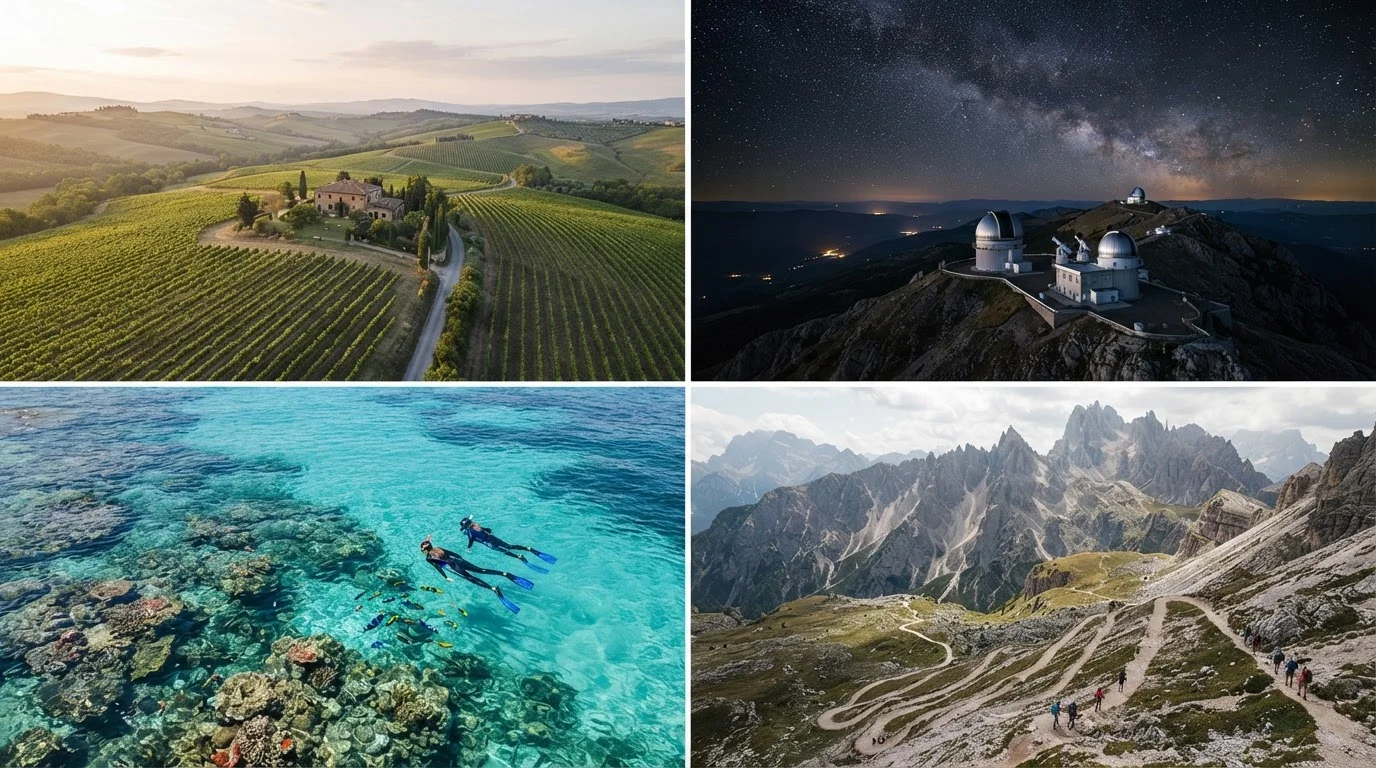
- Soft adventure activities involve relatively low physical demand and modest risk. Examples include guided nature hikes, beginner snorkeling, cycling tours on paved or well-maintained paths, and zip-lining at commercial parks. Accommodation is often comfortable, and itineraries are structured with safety margins built in.
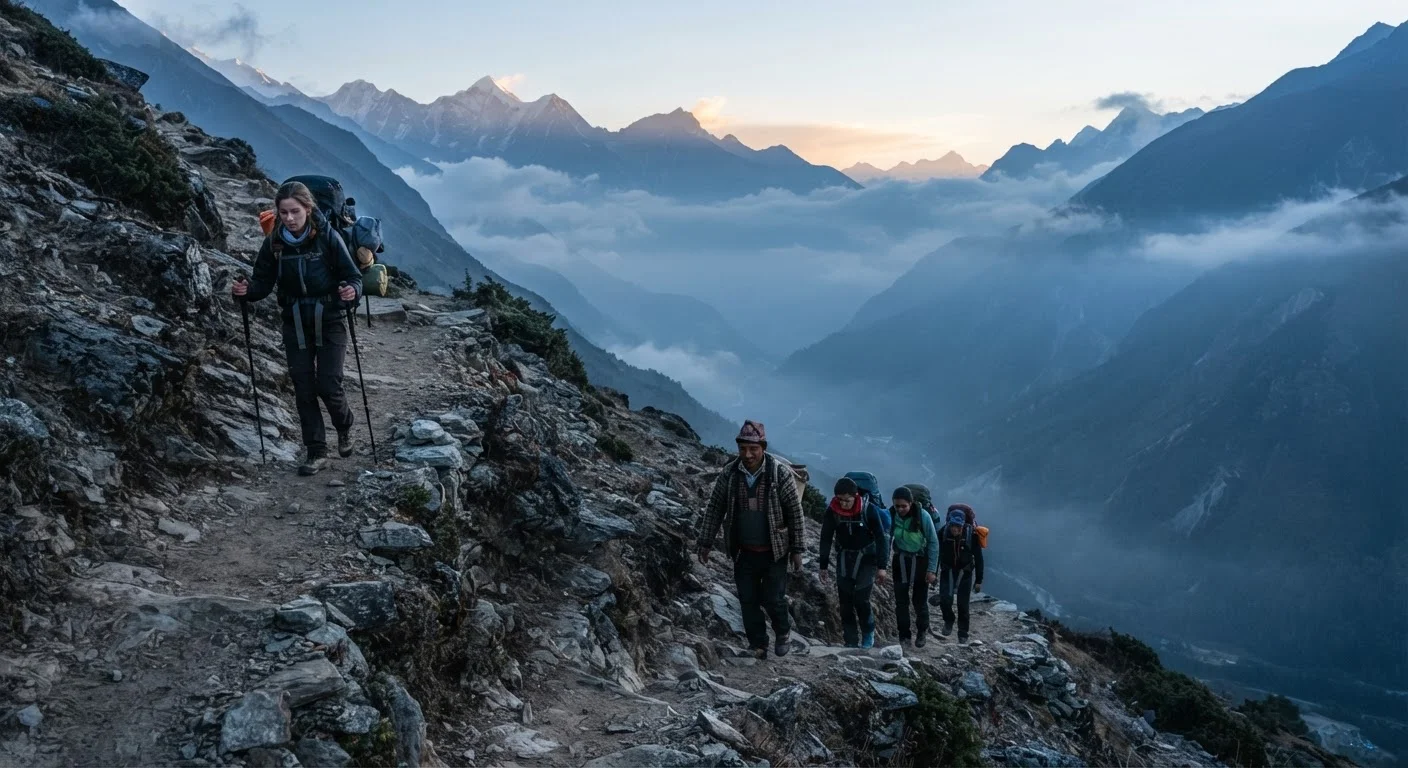
- Hard adventure activities demand significant physical conditioning, technical skill, or both, and carry meaningfully higher risk. Think mountaineering, Class IV–V whitewater rafting, backcountry skiing, cave diving, or high-altitude trekking at elevations above 12,000 feet.
First-timers nearly always benefit from starting in the soft adventure range — not because it is less rewarding, but because it allows you to discover your preferences, assess your fitness honestly, and build skills before escalating commitment. Many people who begin with a guided coastal kayak trip go on to plan progressively ambitious expeditions over several years. The destinations that host this spectrum are as varied as the activities themselves — national parks, coastal zones, mountain ranges, and tropical forests all appear across popular and off-the-beaten-path travel destinations.
Key Concepts Every First-Timer Should Know
Soft adventure
Lower-risk, lower-intensity travel activities that typically don't require special skills or exceptional fitness — think guided hiking, beginner snorkeling, or cycling tours.
Hard adventure
High-intensity or technically demanding activities with meaningfully elevated risk, such as mountaineering, backcountry skiing, or Class IV–V whitewater rafting.
Difficulty rating
A standardized scale used to communicate how physically demanding or technically challenging an activity is — similar to ski run ratings, but applied across many adventure sports.
Emergency evacuation
The process of transporting an injured or ill traveler out of a remote location — often by helicopter or specialized vehicle — which can be extremely expensive without specific insurance coverage.
Guided expedition
A structured adventure trip led by a certified professional guide who handles safety, navigation, logistics, and often equipment for participants.
Acclimatization
The gradual process of allowing your body to adjust to significantly higher altitudes before attempting strenuous activity, reducing the risk of altitude-related illness.
Safety, Risk, and Realistic Expectations
Risk is inherent in adventure travel — that is, in part, what gives it its appeal. But risk is also manageable, and the difference between an exhilarating trip and a dangerous one often comes down to preparation and honest self-assessment.
Don't overestimate your baseline fitness
One of the most common first-timer mistakes is choosing a trip difficulty based on how fit a person imagines themselves to be, rather than their current condition. Adventure activity at altitude, in heat, or over consecutive days is significantly more demanding than a gym workout. If an operator's fitness description gives you pause, take it seriously and consider a lower-intensity option first.
A few principles help frame risk sensibly for first-timers:
- Difficulty ratings matter. Activities like trekking routes, rapids, and ski runs use standardized grading systems. Take these seriously; do not choose a route graded for experienced participants on your first outing.
- Guide certification is meaningful. Look for operators whose guides hold recognized certifications relevant to the activity — wilderness first aid training, swift-water rescue credentials, and similar qualifications are standard markers of professionalism.
- Insurance is not optional. Standard travel insurance frequently excludes adventure activities. You need a policy that explicitly names the activities you plan to undertake and includes emergency medical evacuation. Evacuation from remote terrain can cost tens of thousands of dollars without coverage.
- Physical preparation reduces risk. Arriving in reasonable condition for your chosen activity — cardiovascular fitness for trekking, upper-body strength for paddling — makes the experience safer and more enjoyable. The fitness and exercise hub offers practical guidance for building activity-specific conditioning.
Start with a day trip or weekend outing
Before committing to a multi-week international adventure, try a comparable activity closer to home. A day hike in a national park or a half-day kayak rental gives you a realistic sense of your fitness level and gear needs — without the cost and commitment of a full expedition. Many experienced adventure travelers say their first real insight came from a modest local outing.
How to Start Planning Your First Adventure Trip
Once you have a sense of the kind of experience you want, the practical work begins. A few steps tend to serve first-timers well:
- Define the activity, not just the destination. Decide what you want to do before you decide where to go. The right destination follows from the activity.
- Honestly assess your fitness. Adventure operators typically provide fitness requirement descriptions. Read them carefully and compare them to your current state, not your aspirational one.
- Consider guided vs. independent travel. Guided trips carry most of the logistical and safety burden for you — a significant advantage on a first adventure. The trade-offs between guided and solo approaches are worth understanding in depth; this comparison of solo trekking and guided expeditions lays them out clearly.
- Handle documentation early. Passports, visas, and entry requirements take time. If your adventure involves international travel, this guide for American first-time international travelers covers the essentials. Always verify entry and health requirements with official government sources before travel, as regulations change.
- Book insurance before anything else is non-refundable. Securing coverage early — before deposits are paid — ensures you are protected from trip disruption as well as on-the-ground emergencies.
This article is for general informational purposes only. Safety conditions, entry requirements, and health recommendations vary by destination and change over time. Always verify current requirements with official government and provider sources before traveling.